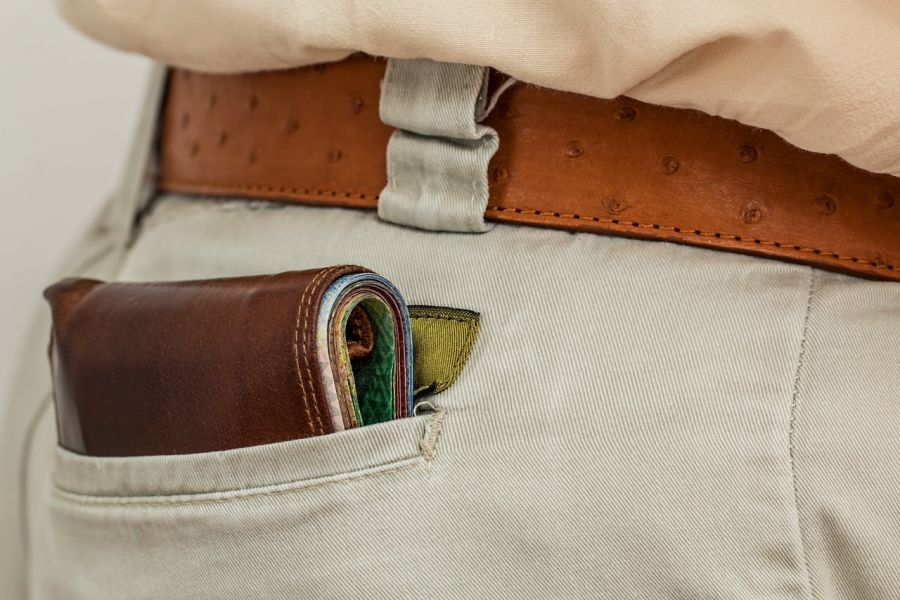
Business or pleasure, if you're traveling abroad there are a few different ways to get hold of your travel cash, and besides cash, there's a whole load of other ways to spend when you're overseas.
Is cash king, or is it best to balance your travel money out with a combination of cash and cards? And what about travelers' cheques, are they making a revival or are they a dinosaur best forgotten?
Here are some travel money tips for you to get a feel for the good, the bad and the ugly. Don't forget to check out the poll towards the bottom to vote for your travel money preferences!
OK, to kick off, let's start with cash, the travelers' favorite form of travel money.
Cash - the travelers' favorite.
Taking cash abroad has long been the preferred way to spend because it's so simple and convenient. There are no long queues at the ATM, there are no fees to worry about when you're spending it abroad and you can easily budget and track what you've got left. And it's fun too. Isn't is great when you get hold of some foreign currency that you've never seen before? However, it's not always safe if you're carrying bundles of cash around with you.
The good
- Cash is not plastic. Although it can be if you're using Australian dollars. Did you know Australia was the first country to manufacture bank notes from plastic? Anyway, spending real cash makes you think twice before parting with it. That's good, right?
- Good for budgeting. If you've taken a fixed amount abroad it's impossible to spend more cash than you've got. Plan your spending and it can go far.
- Cash is accepted just about everywhere. Has anyone ever refused cash? Cash is perfect for when you first arrive in a foreign country. For taxis, buses, and tips here and there, there's no better alternative.
- Using cash is cheap. There aren't any fees when you pay for something with cash, and if you're lucky you might even get a discount.
The bad
Cash can be difficult to handle. If you're only taking the cash you've got to plan ahead in order to ensure you've got enough to cover everything while you're abroad.
In some situations, cash isn't practical. Sometimes a card is preferred for security or further proof of identity when you're checking into hotels or renting cars.
The ugly
Fact. Cash gets stolen and lost. You're a moving target if you're carrying around bundles of bank notes. Sure there are money belts and hotel safes, but there's always the risk of having it stolen or losing it. Once it's gone, there's little hope of getting it back.
You're not protected with cash. As soon as your cash is exchanged for goods or services you've committed yourself. Unlike a credit card, it can be tough to get your cash returned if there's a dispute with the supplier.
There's no easier way to spend abroad. Cash is king and accepted just about everywhere, but what about getting your foreign currency in the first place? Deciding where to get your travel cash from can save you a lot of money.
Buying travel money online
Do the math
Exchange rates look great when you're shopping around for an online provider of foreign currency, and they are good because online money exchange rates are very competitive. But is the bottom line really so good? Be sure to check the fine print and figure out what the total amount is. Besides the rate, what commission are they charging, are there handling fees, and how much will it cost to get your travel money delivered? It's fine to check the exchange rate but double check the final total cost.
Try to avoid delivery and commission fees
The interweb's a fantastic way to get your paws on your travel money. But in most cases you'll have to pay handling and commission fees if the amount you order is less than a certain amount, usually a monkey**, around £500 GBP. If you want a good deal, make sure you order enough to avoid those fees.
And try to avoid credit card fees
So you've done the hard work, found a good deal and you're about to pay with a credit or debit card. Check for fees! Cash advance fees could be in the region of 3% and you could pay interest on the amount as soon as you've clicked the 'order now' button. You usually don't pay fees if you're using a debit card, but it's important to check first with your bank as some of them can charge around 2%.
Is your travel money delivery insured?
Getting your travel cash online is easy and the provider, in most cases, will automatically ensure your cash delivery for you. But it's prudent to check these things out. Also, remember that the foreign exchange market is not regulated, so make sure you're buying from a reputable company. If any Online Foreign Currency Exchange goes out of business you might find it very difficult to get a refund.
Be available to receive your travel cash
It might seem obvious, but make sure you're around for when your travel money is delivered because most foreign currency providers need you to sign for the delivery. Some will go a step further and give you a quick call after you've made the order, just to confirm it's you that did. Your travel cash will usually be delivered in a couple of days, so make sure you know when so you can avoid having to rearrange the delivery.
Buying travel money from the high street
Do not buy your travel money at the airport
If you want a poor deal, go ahead and use the bureaux de change at the airport. You will end up having to pay substantially more than you would at a fairly competitive money exchange on the high street. If you plan ahead you can avoid exchanging foreign money at airports, but if you have no alternative other than getting your travel cash from the airport, pre-order it and collect it there to get yourself a better rate.
Shop around!
Not only will you get a feel for the best rates when you shop around, you'll also become savvier of the little tricks the providers can play too. No doubt you'll come across providers advertising that their foreign currency is commission free, which will probably attract your attention, but it doesn't automatically guarantee you'll secure a good deal. The high street providers will boost the profit margin lost from zero commission by giving you a poor exchange rate. No matter how or where you buy your foreign currency, the golden rule is to check the total cost you'll pay for the foreign money and compare that against the competition. Although you'll probably find the exchange rates at banks and building societies are not always good.
Check handling fees and minimum charges
You should check for handling fees and if there's a minimum amount of money you need to exchange in order to qualify for the commission and handling fees to be waived. Exchanging small amounts of money can become very expensive when these fees kick in. While you're there, check if there's a 'buy back' charge, because when you're back from your trip you might want to think about returning your spare foreign currency to the provider. Some charge a fee for this, but others will offer a free 'buy back' service.
Is your travel money insured?
If this lens was about travel money security it would be at the top of the list. It's vital to check your travel insurance policy to see what level of cash is covered. Money belts are one thing, but it's not really wise to take more cash than your policy covers. You can definitely say bye-bye to your foreign currency if you're not covered and it gets lost or stolen.
Avoid more fees by paying with cash
American Express, MasterCard and Visa credit card providers can charge fees when you use your card to buy foreign currency. At around 2.5% of the total amount, it's not to be ignored. Check with your credit card (or debit card) provider first to establish if they'll apply a fee. If you use cash you won't have to worry about it because you'll be bypassing these fees altogether.
Using a prepaid currency card abroad
They haven't been available for long (the good ones anyway), but the prepaid card is fast becoming popular for spending abroad. They are convenient, secure, and there's no danger of going over budget because you pre-load them with money, so they're ideal for kids. But like other forms of plastic, you need to research the cards on the market in order to avoid the fees. Some look great at first glance but pick the wrong card and you could find yourself paying the price, in charges and fees.
The good
Pay as you go. Just like a phone card, get it loaded up with cash and it's yours to go and spend when and how you see fit, and you can't spend more than what's on the card. Like a credit or debit card, prepaid cards will be accepted just about anywhere as they're usually supplied by Visa, MasterCard or Maestro.
Top it up. If you find yourself running out of cash you can top it up if you need to. You might find a fee applies for doing this, so you'll have to check your top-up options with the provider, but it's handy to know you can revive your card if you need to.
Secured with a PIN. Just like your other flexible friends, the prepaid card is secure and accessible with a PIN. And if it's lost or stolen, you're protected from thieves if you cancel it, although most card providers will charge you a replacement fee.
What no foreign exchange fees? If your prepaid card has been loaded with the same currency as your destination's currency, it's unlikely you'll have to pay any foreign exchange fees. Bonus.
The bad
Euros or American dollars? Most prepaid card providers will give you the option to load your card with Euros or American dollars. So if you're heading somewhere else, you might want to give prepaid cards a miss. Use a card in a place that's using a different currency to what's on your card and you could pay up to 3% transaction fees.
Stay in the black. Hang on, that's good, right? Maybe, but once all your money has been used you will have to find a way to top it up again. That's not so bad, but make sure you know if you'll be paying a fee, and you know how it's done. Good prepaid card providers will let you top up with a text message from your mobile phone, online with a debit card, or by visiting a branch.
The ugly
Inactivity fees. If you neglect your card by not using it for a few consecutive months at a time, some providers will penalize you. They really do want you to spend. Some will go further than that and charge you every month for the pleasure of using their prepaid card and others will charge you around £2.50 for using a card at a cash machine.
Sectioned. With Visa and MasterCard prepaid cards you're eligible for the Visa and MasterCard chargeback schemes (yay!), but prepaid cards aren't good for big money purchases because they don't qualify for section 75 of the consumer credit act (boo!).
Travelers' cheques
Travelers' cheques. It's what your parents were using in the late 80s right? And for good reason too! They are often overlooked these days, but they are still a holiday money favorite amongst travelers because they're very safe and secure. You'll get peace of mind with travelers' cheques, and you can budget effectively, but they're not always the cheapest form of travel money to get your hands on, so shop around.
The good
Convenience. You can get them just about anywhere and they're available in lots of different foreign currencies. Most hotels, shops and restaurants still accept them instead of cash, and you can even exchange them for cash when you're abroad.
Replaceable. Put simply, traveler's cheques are big pre-printed cheques with a fixed value, but only you can use them. Just remember to sign each one as soon as you get them, and keep a note of all the serial numbers (keep it in a safe place, away from the cheques). If they get stolen or lost you can get them replaced pretty quickly (take the receipt with you too). Usually within 24 hours depending on where you are.
Simplicity. Travelers' cheques are accepted all over the world and they never expire. When it comes to using your traveler's cheques, write the payee details in the box and sign it in front of the person accepting it and you're done.
The bad
Travelers what?! In some far away places where you've gone off the beaten track, you might find your trusty travelers' cheques difficult to spend or exchange. Check out your destination first to make sure you can use them when you need to.
Get in line. When you find a place that will exchange them for cash you might find the queue at the bureaux de change or bank a bit of a drag.
The ugly
Handling fees. It's not impossible to find a provider who won't charge commission or handling fees when you're buying your cheques, but it's pretty common to experience commission or handling fees of around 2 or 3%. And pay attention to the exchange rate you're offered (as with any foreign currency deal).
Cashing in charges. When it comes to cashing in your travelers' cheques abroad you will probably be charged an additional fee. The fee will be the same regardless of the amount you're cashing in, so if you take cheques in larger amounts you could end up saving a packet.
Using a debit card abroad
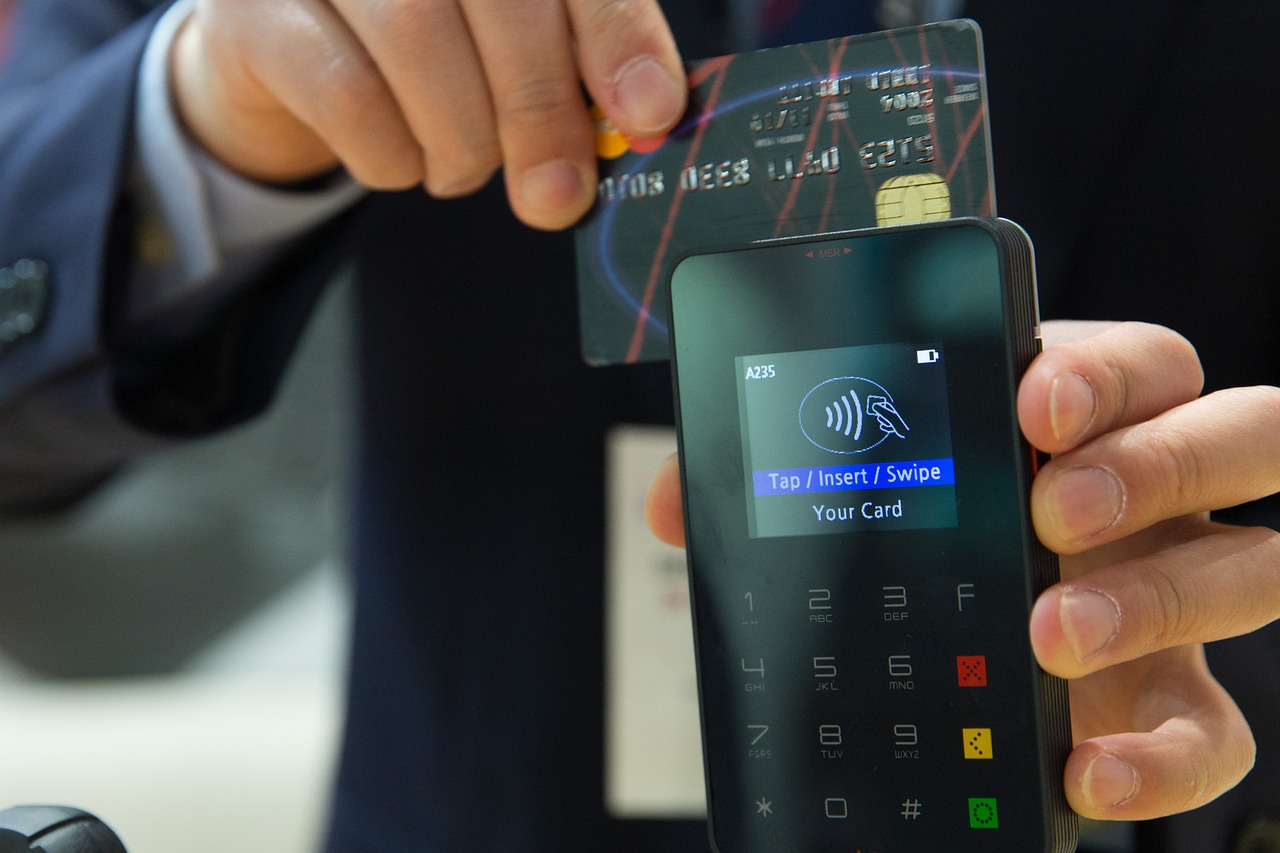
Using your debit card abroad can sometimes make more sense than taking bundles of notes. Sure it's a hassle if your card gets lost or stolen, but as long as you stop your card quickly you can minimize fraudulent activity. However, if you use the wrong card provider, debit cards can be the worst way to spend as you'll be stung with a lot of fees. It's essential to check with your debit card provider to get confirmation on those fees abroad. Get a good understanding of what you'll be charged when withdrawing cash from ATMs or making purchases in shops and restaurants.
The good
Easy cash access. Taking a debit card abroad with you is easy and convenient. Depending on the type of card, you should get access to your cash at most ATMs and be able to make purchases over the counter. Just don't forget your PIN, or your toothbrush.
You should be protected. Sometimes paying with plastic makes more sense than using cash, especially for larger purchases. Check with your provider to see how much protection you'll get for any fraudulent activity.
Stay in the black. As long as you haven't got an overdraft you'll never step into the red, so you can plan and stick to your budget.
The bad
A load of fees. WIth some debit card providers, you'll be charged a 'load' fee every time you use it. If you're withdrawing cash every day, or using your debit card to pay restaurant bills or down at the shops, you could get stung every time.
What more fees? So you've paid a load fee, but on top of that, you'll probably be charged another fee for withdrawing cash from ATMs. At £2 or £3 a pop, you'll soon see why choosing the right debit card can save you a load.
Less is more. With a bit of planning, you can minimize those fees. Think ahead to when you'll need cash and try to use your card less often. No matter what you use it for, for every £100 you spend, you could be paying around £4 or £5 in fees.
The ugly
Penalty! It doesn't stop with the fees mentioned above. Some debit card providers will apply another fee known as a 'penalty fee' every time you use your debit card abroad. So every time you make a transaction at the shops or at ATMs you could be penalized for it again.
Dynamic currency conversion. Dynamic what? Please take note. If you're ever asked if you want to pay in the currency you use back home, just say "no thank you". Some shops and restaurants will offer 'dynamic currency conversion' as a favor, and tell you it's no problem to convert the bill into the currency you use back home. What they don't tell you is that they can apply their own exchange rate which won't normally be in your favor. Without exception, always ask to pay for the bill in the local currency.
Fancy a 4.00 AM wake up call? Didn't think so. Don't forget to inform your bank of your travel plans. If you forget to tell them where you're going and for how long, you might get a nasty surprise when you use your card. Firstly, your debit card will probably get blocked when you try to use it, and secondly, your bank will probably call you on your mobile phone at a ridiculous hour to confirm your card activity. Tell them your plans and you'll sleep easy.
But what about using a credit card abroad?
If you play your cards right and pick the right credit card you could be on to a winner. If you can find a credit card with a rate of 0% on purchases (some can go up to 12 months) you can make purchases without being hit by interest charges. Just make sure you can pay off the card within the zero percent time-frame, and ensure you won't be hit with loading fees on overseas purchases.
Most cards add a 3% 'load', but you should be able to find providers that don't, meaning it's possible to get a better exchange rate than the most competitive bureaus out there.
Typical badness and ugliness of using a credit card abroad
Load fees. Each time you use your card you could be charged a 'load' of up to 2.75% of the total amount you spend.
Not interested in interest. From the moment you use the card to withdraw cash, you could be charged interest rates up to a whopping 30% even if you remember to settle the balance before the end of the month.
Cashpoint charges. In addition to interest on the cash you withdraw, you might be stung with a fee to withdraw the money too. It's probably best to avoid ATMs altogether as you could be hit with 2.5% fees each time you withdraw cash.
So if you do your homework, the best solution for your travel money could be a combination of cash and the right credit card (some credit cards have very low ATM fees too). Just remember to repay your balance in full without fail to avoid any chance of paying interest. As a current example, if you go for the Saga Platinum Visa you'll get a good introductory rate of 0% on purchases for 9 months and zero loading fee on purchases worldwide. The only downside is that it's available only to those aged 50 or over.
“If you pick the right credit card, it could be the cheapest and best way to spend abroad.”