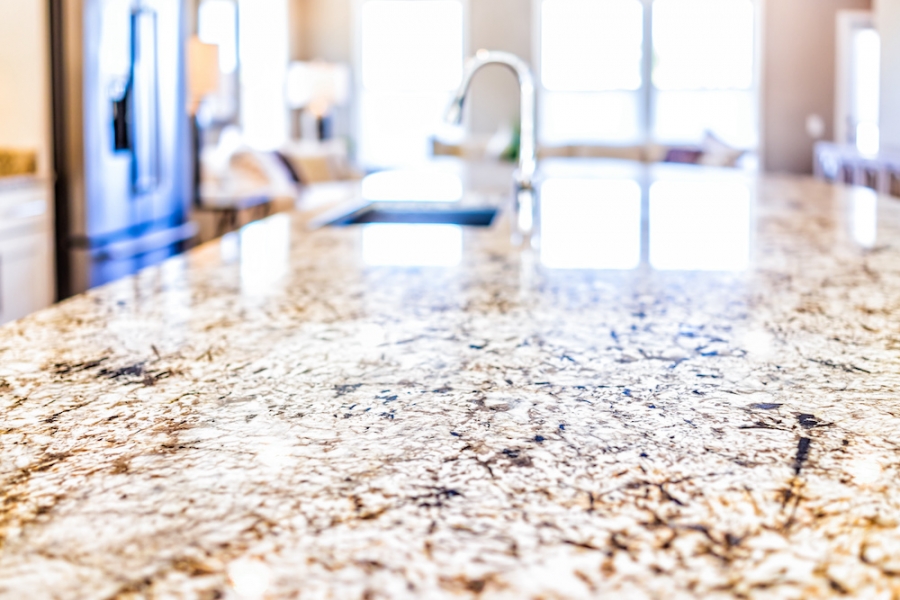
Granite is a natural stone that’s durable, beautiful, resists staining, and offers lustrous shine. This makes it one of the most preferred for countertops, floors, and wall tiles. Granite also has heat-resistant and anti-bacterial properties, which makes it a perfect choice for kitchen and bathroom countertops.
Granite Background
Granite is a natural stone made of various minerals, like mica, silica, and quartz. Traditionally, it was used as a building material but has recently gained popularity in kitchen and bathroom countertops. Although granite is durable, it’s a porous natural stone. However, the granite’s color and patterns can be protected using a sealant. Sealing your countertops is mainly done once or twice a year. To get a well-protected granite countertop, you may want to visit affordablegraniteandstone.com.
However, cleaning granite countertops isn’t a walk in the park. It’s not as simple as wiping it down with a sponge and cleaners of your choice. Some cleaners aren’t fit for granite hygiene; they wear down the sealant and the granite.
Safe Granite Cleaners
Granite scratches easily when cleaned with an abrasive pad or acidic cleaners. Therefore, avoid cleaning your countertops with vinegar or other acidic products, including cleaners made with citrus oils or extracts. Avoid using ammonia or ammonia-based products, steel wool, scrubby sponges, disinfecting wipes, bleach, and household acids like vinegar, lemon, citrus, and lime. All these cleaners and tools damage the sealant and cause etching and a dull appearance to the granite. Etching can also be caused by acidic drinks, such as sodas, juices, coffee, and acidic foods, so ensure you clean spills immediately.
When cleaning your granite countertop, use dishwashing soap and water. Otherwise, buy non-toxic granite cleaners like the pH balance spray. Ensure to read the manufacturer’s directives based on the cleaner. If you have time, you can also make cleaning solutions at home. Simply add a little mild dish soap to a spray bottle of water. To add disinfecting power and help it dry quickly, add a bit of rubbing alcohol. Such a solution kills bacteria, removes grease, and protects your stunning granite.
How Often To Clean Your Granite
Keeping your granite countertop clean needs more frequency than the time and effort it takes to clean it. Therefore, maintain a habit of wiping your countertops regularly and cleaning spills immediately. In short, wipe your kitchen countertops after each food preparation session to remove splatters, spills, and food residues. Bathroom granite countertops should be wiped after every bathroom use and cleaned thoroughly weekly.
Therefore, use a microfiber cloth to wipe the surface for basic cleaning. Wipe using water only daily, then use a non-toxic granite cleaner once a week. For seasonal maintenance of your granite countertop, regularly seal the countertop. To determine if your countertop needs to be sealed, splash some water on the countertop and see if the water settles on the surface in small bead shapes or flows freely. If the water doesn’t form bead-like shapes, it’s time to re-seal your countertop.
How To Clean Granite Countertops
Don’t use harsh chemicals, abrasive tools, or acidic cleaners to clean your granite countertop. You better settle for dishwashing soap and water. If the countertop isn’t sealed or the sealant is wearing off, take care of it first. Once you seal the countertop, you can start cleaning. You’ll require the following to clean your countertops: dish soap, sponge, water, spray bottle, rubbing alcohol, clean towel or cloth, baking soda, hydrogen peroxide, and gloves.
Procedure For Cleaning Your Countertops
Follow the steps below for effective cleaning:
-
1. Declutter Your Counters
Start by removing everything on your counter; this includes all appliances, keepsakes, crockery, and other debris. Dispose of the debris and keep the other items on another surface. Once the countertop surface is free, use a dry sponge to eliminate any small debris. However, use a soft sponge or microfiber cloth, as granite scratches easily.
-
2. Wipe Your Counters
For regular granite cleaning, first, dip the sponge in the water and wipe the countertop's surface. Then use a simple solution of mild dish soap and water or make a granite cleaning solution with a base of rubbing alcohol. Wet your soft sponge with water, pour the cleaning solution into its center, and get a good lather before cleaning. Wipe the counter in small, circular motions. Dried food may require a little force, but avoid using abrasive techniques unless the surface is stained. Scrub the food stuff from back to front but avoid scratching the granite’s surface.
-
3. Target Stubborn Stains
If wiping and scrubbing don’t work, the stains may require different techniques. Stained granite is hectic to deal with, so it’s essential to learn measures to help avoid staining in the first place. For instance, you can use coasters for your drinks and clean up spills immediately.
If your granite countertop is stained, don’t rush for generic stain removers or bleach. Using these cleaners can cause bigger issues than stains. However, the method and products used on stained granite countertops will depend on the stain’s cause. If it’s a spot caused by food debris, use a razor blade to scrape any build-up on the counter. To avoid scratching the surface with the blade, ensure that the entire blade’s edge sits on the surface. After removing the large gunk, rinse your sponge and wipe the remaining debris several times. Just remember to wear protective gloves when working with sharp objects.
For oil-based stains, mix baking soda with water to form a paste. Mix the baking soda with hydrogen peroxide if it's a water-based stain. No matter what the stain is, baking soda can help get rid of it. Scrub the spot with a soft cloth and the paste and rinse thoroughly. You can repeat the process several times until the surface is stainless. For tougher stains, re-apply the paste and enclose it with plastic wrap, and tape it if scrubbing doesn’t work. Leave the paste for several days to dry. Once dry, use a soft sponge to wipe and rinse the granite with warm water. Stain remains may require you to repeat these steps to lift the stain completely. If the stain is removed, but if the surface looks dull and etched, apply a granite polish to restore its appearance.
-
4. Disinfect The Surface
Mixing one cup of rubbing alcohol and one cup of water in a spray bottle is enough. Spray the entire granite countertop with the mixture and let it settle for five minutes. Now wipe the moisture from the counter in small, circular motions until it’s dry. Once you’ve done this, your counters will be clean and disinfected. You can even now pour some cooking oil into a soft cloth and wipe it around the counter. This makes the counter a little stain resistant and gives the counter a glossy shine.
Tips For Cleaning Granite Countertops
- Use the Right Tools and Material: Remember that granite gets scratched easily when cleaning your granite countertops. Therefore, avoid using harsh chemicals and acidic cleaners, like vinegar, bleach, ammonia products, and products with lime, citric acid, and lemon. Also, avoid abrasive scrubbing tools like a rough sponge or steel wool. Stick to warm water, dishwashing soap, and a soft microfiber cloth or sponge. You can also occasionally use hydrogen peroxide and baking soda in case of stains.
- Wipe Spills Immediately: Granite is porous, meaning it’s susceptible to soaking up oils and stains. Therefore, if anything spills on your granite table, wipe it immediately with dishwashing soap and water as a preventative measure.
- Use Preventive Measures: Some maintenance and preventive measures help keep your granite countertops looking sharp. Firstly, always use coasters under glass juice, especially those containing lemon, citric acids, or alcohol, and place trivets under hot dishes. Refrain from storing staining products like cooking oil, creams, or oil cosmetics on your granite countertop. As a preventive measure, you can seal your granite countertops to protect your surface against stains. While sealers don’t make granite stain-proof, they help create a more stain-resistant surface. Just remember to use non-toxic and safe sealers in food preparation areas.
- Get Professional Help: Sometimes, it can be challenging to effectively clean and remove all the stains on our granite countertops without damaging surfaces. If you’re overwhelmed with the process, call the experts to do the task. The pros have the required skill and equipment to effectively clean your countertops and leave them looking stunning.
- Make Your Granite Cleaner: Most commercial granite cleaners aren’t effective at cleaning granite. Many contain bleaching and acidic properties that damage your granite surface. Also, some manufacturers don’t indicate all the ingredients used to make the cleaner. For this reason, making a cleaning solution for your granite countertops makes sense. Simply mix equal proportions of rubbing alcohol and water, add a few drops of your favorite essential oil, and you’re good to go. This solution will clean not only your surface but also disinfect it.
The Bottom Line
Granite countertops have become popular for homeowners seeking to update their homes. Knowing to clean and maintain your granite countertop can help protect your investment. The key to granite cleaning is using the right cleaners and avoiding harsh cleaners and ingredients.