Are you ready to give your home a stunning makeover with a fresh coat of paint? Painting your home can be an exciting project, but it can quickly spiral out of control if you're not well-prepared. As you stand before the endless paint color options, you might be wondering how to ensure a smooth, beautiful finish that lasts.
Dealing with uneven paint coats, peeling walls, or color mishaps can be frustrating and costly. It is why understanding and adhering to these rules is vital.
In this article, you'll uncover seven rules for your home painting endeavor. These rules aren't just suggestions but the keys to achieving professional-grade results.
Proper Surface Preparation
Before deciding to do a painting project, careful planning is essential. Forbes claims that painting a full house is a difficult but worthwhile endeavor. Painting a typical-sized home requires120 hours. The secret to finishing this assignment fast is to divide the large endeavor into more manageable, smaller tasks.
Knowing how much paint you'll need in advance might help increase your home's resale value and curb appeal. When painting, the weather shouldn't be wet, or the paint may fall off. A significant factor is how long it will endure and what equipment and materials the paint will be placed on.
Thus, proper surface preparation is the foundation of a successful home painting project. Many homeowners underestimate the importance of this step, but it can make a world of difference in the final result. A well-prepared surface ensures that the paint adheres correctly, leading to a longer-lasting and more durable finish.
Choosing the Right Paint and Tools
To begin, prioritize the selection of paint based on the surface you intend to cover. Distinct surfaces like walls, ceilings, or trim often demand specific types of paint.
Additionally, factor in the room's function and the expected wear and tear. It will guide your choice of finish, be it semi-gloss, satin, or matte. Color selection is equally important. Ensure that you're happy with the color choice before you start painting.
According to Consumer Reports, after you've chosen your options, you may get little test containers. Instead of painting the walls, create color samples on huge sheets of thick paper that you can move easily. Large peel-and-stick painted squares that range in size from around 8x8 inches to 9x14 inches can be used as alternate options.
Whichever approach you take, ensure the color samples are at eye level, and you can observe them for a few days. See how the color shifts as the light changes throughout the day, both from a natural and an artificial source.
Primer Application
It's crucial to apply primer to your surfaces before you start painting. You can use it when they are new, have been repaired, or have never been painted. Primer seals the surface, preventing the paint from soaking into it unevenly when dealing with porous materials like drywall or wood.
Primer also helps to hide imperfections on your walls, such as patches, stains, or discolorations. It evens out the surface, creating a smoother canvas for your paint and ensuring that the final result looks uniform.
Weather Conditions
Considering weather conditions is a vital aspect of any home painting project. The weather can significantly impact the quality and durability of your paint job.
Additionally, some people might find it harder to paint their homes when living in an area with unpredictable weather. Take Vancouver, for example. According to Weather Spark, the summers are brief and partially overcast, while the winters are lengthy. They can even go bitterly cold and rainy on average.
The temperature often varies between 35°F and 73°F in a year, continuing with the volatility. In such cases, finding house painters from the local area is best suggested. Vancouver house painters know the area better and act according to the climate. They understand paints that work in those harsh climate conditions, which is a huge bonus.
According to Absolute Painting, you should find specialists dedicated to doing tasks expertly. They ought to be able to lower the possibility of carelessness and weather-related harm. They can help you stand out in the overall look of your property and its curb appeal. These specialists are capable of removing any risks if residents attempt to paint their home's exteriors on their own.
Paint Application Techniques
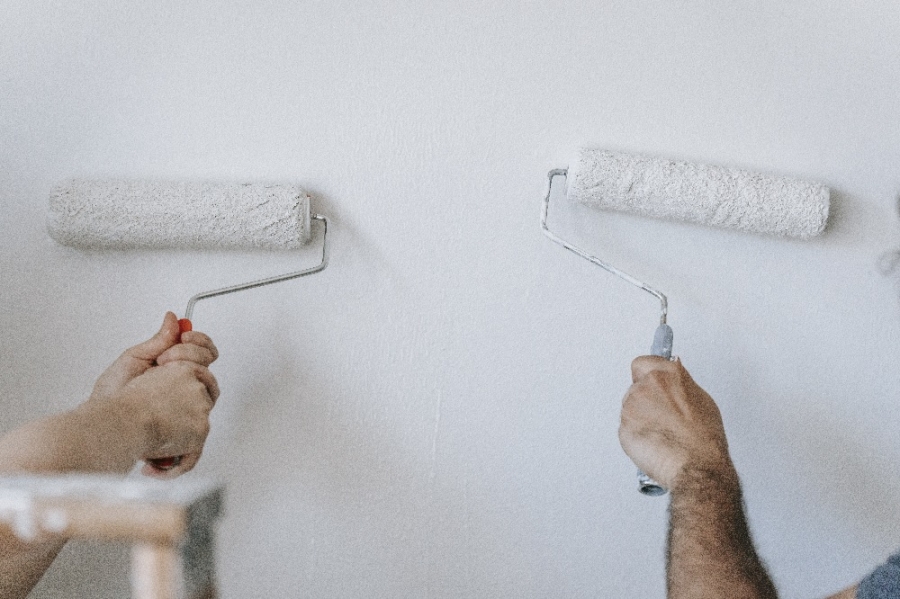
Achieving a smooth and uniform finish hinges on the use of high-quality brushes and rollers. Inferior or well-worn brushes can result in streaks and unsightly bristle marks on your walls. When applying paint, use steady and consistent strokes.
Begin by using a brush to cut the edges, and then employ a roller for broader surfaces. Maintain a consistent rolling or brushing direction to achieve a uniform appearance. Be cautious not to overload your brush or roller with paint, as excess paint can cause drips and result in uneven coverage.
Instead, apply a moderate amount and add more as needed. It's also crucial to maintain a wet edge when painting. It means working quickly and not letting the paint dry in the middle of a wall.
Drying and Curing Time
Drying time refers to the period for the surface to become touch-dry. It may vary depending on factors like temperature, humidity, and the type of paint you're using. It's crucial not to rush this stage. Attempting to apply another coat to the surface before it's fully dry can lead to smudging and uneven coverage.
The curing time represents the duration required for the paint to fully harden and attain its utmost durability. Despite the surface feeling dry to the touch, adhering to the manufacturer's guidelines is crucial. They can provide guidance on the necessary curing period before exposing it to intensive use or cleaning. Neglecting this advice may lead to premature wear and paint damage.
Hiring a Professional
Hiring a professional can ensure a high-quality result when painting the exterior of your home or tackling multiple rooms with intricate details. Their experience and skills can handle the challenges effectively.
Secondly, professionals have access to top-quality materials and tools that might not be readily available to the average homeowner. It can lead to a better finish and longer-lasting results.
Additionally, hiring a professional can be convenient if you lack the time or physical ability to undertake a painting project. It allows you to focus on other aspects of your life while the specialists care for your home's transformation.
Home Painting Transforms and Satisfies in Unique Ways
If you follow these seven essential rules, painting your home can be a satisfying and transformative experience. Proper surface preparation, selecting the right paint and tools, and mastering paint application techniques can ease the challenges.
Additionally, considering weather conditions, understanding drying and curing times, and knowing when to hire a professional. Ignoring these rules can lead to frustration and disappointment. Take your time, plan carefully, and remember that attention to detail is key for a successful house painting project.