The solar industry has become the most popular of all renewable energy options. That is why it has the most changes and improvements. Since scientists and engineers find new ways to make the cost lower solar panels are becoming more affordable and greener.
Innovations in solar technology for buildings are driving significant changes in the building and energy sectors. In terms of how buildings generate and consume energy, this has been a real revolution. The main trends in photovoltaic innovations in solar technologies for buildings, as well as their ecological impact, will be discussed today.
Integration of Photovoltaic Systems Directly Into the Building (BIPV)
Thanks to the BIPV innovation it is possible to implement solar energy integration directly into building components. For example, windows, roofs, and facades. Now solar energy technologies can be considered attractive. After all, with BIPV you can create different designs. Technology will only beautify the building. It also reduces the need to purchase large quantities of traditional building materials. Building-integrated solar significantly reduces the overall carbon footprint of construction.
Floating Photovoltaic
Photovoltaics on floats offer new opportunities for generating electricity as well as optimizing water usage. The technology involves the installation of solar panels on the surface of water bodies. For example, reservoirs, lakes, ponds, and the sea. This ensures more efficient power generation. According to Wood Mackenzie's forecasts, by 2031 FPV will account for about 6 gigawatts. Such a frenzied request is associated with a significant increase in demand for solar energy and the difficulty of meeting it for several reasons.
One of the main features of FPV systems is the use of water surfaces that are not usually used for other purposes. This makes it possible to effectively utilize the available space and maximize solar energy generation.
This is what the floating system looks like.
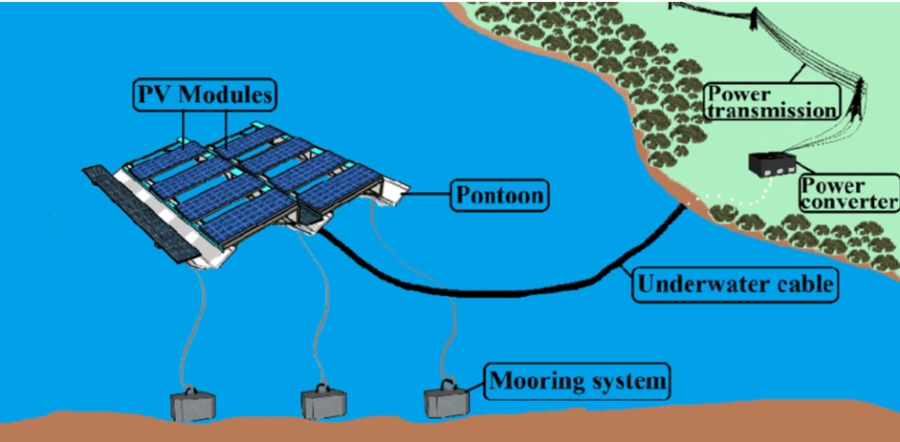
Among the main advantages is that the panels are cooled by water surfaces. The system is therefore more energy efficient since the panels operate more efficiently. Additionally, FPV systems are suitable for varied climate conditions and geographical regions, and they do not require large areas of land.
If we talk about the demand for innovation in terms of improving environmental conditions, there are also several advantages here:
• reduction of water evaporation from reservoirs and lakes, which is especially important in dry regions;
• creating shade and preventing algae growth, which contributes to a cleaner water environment;
• renewable electricity generation from solar radiation, which reduces fuel-fired power plant dependence.
Floating panels are made from 2nd generation thin-film solar cells. They are more economical due to their manufacture from cadmium telluride, indium-gallium, copper diselenide, and amorphous thin-film silicon instead of the usual silicon.
Sunny Window
The new technology performs a dual function. Now windows not only allow natural light into the room but also generate electricity. This provides energy savings and reduces dependence on traditional energy sources.
The solar window represents an important innovation in solar energy and solar architecture. It transforms ordinary windows into sources of clean electricity generation. As a result, we get an efficient solution for energy-efficient buildings.
It is predicted that this particular technology will reach $22.5 million by 2032, with an average annual growth rate of 9.6%.
Solar windows can be used as facade windows, windows on the roof, or in other parts of the building. The main thing is to install them in such a way as to maximize the use of solar radiation. A smart home control system and batteries can also be added to them so excess energy can be stored.
Various colors and designs are available to suit any building style. This enhances the aesthetic appeal of their use.
This solar innovation in construction options has a positive impact on the environment. First, it is clean electricity. The second benefit is that traditional electricity for lighting and other energy-intensive processes can be reduced. Thirdly, it reduces heating, cooling, and lighting energy consumption within energy-efficient buildings.
Solar Paint
Solar paint (or photoactive paint) is one of the potential solar technology trends. This technology will turn the surface of the facility into a solar energy generator, solar energy conversion into electricity.
One of the main attractive features of solar paint is its flexibility and the possibility of solar-powered buildings with virtually any surface and material. That is, windows, walls of buildings, cars, and other surfaces will be suitable for its use.
In addition, instead of traditional panel arrays that require specialized infrastructure, solar paint can be applied to the surface of virtually any object. Designers will surely like it. With its help, you can come up with interesting solutions and emphasize the futuristic or innovative architecture of the building.
For commercial purposes, the paint is not yet used. But development continues, which means that soon it may appear on store shelves.
Trends in Carbon Footprint Reduction
Solar technology has become of great importance in the global energy industry. Therefore, special attention is paid to the assessment of its impact on the environment. But not only in the process of work but throughout the entire life cycle. Environmental impact assessment considers several factors. For example:
• the amount of energy used in the production process;
• carbon dioxide emissions;
• the process of recycling solar panels at the end of their life.
This gives a complete picture of the possible harm of technology.
Researchers in solar technology and solar companies are also studying circularity issues. Much of the effort is directed towards facilitating the recycling of worn or failed parts. This makes it possible to reuse solar building materials. As a result, the amount of waste and the negative impact on the environment are reduced.
Any useful solar panel innovations provide the future of sustainable building and the possibility of creating net-zero energy buildings. They significantly increase solar energy efficiency.
Solar panel manufacturers and researchers around the world are actively pursuing several aspects of solar panel improvement:
• search for alternative materials that have a smaller carbon footprint (for example, the use of more sustainable building energy and recyclable materials);
• reduction of solar panel transportation distances and optimization of logistics processes;
• development of more durable and efficient solar panels, which reduces the need for constant replacement and disposal;
• work on the possibility of freely extracting valuable materials from obsolete panels and recycling them for reuse;
• development of lightweight and flexible panels for installation on non-traditional surfaces such as curved or uneven roofs;
• integration into smart building systems that optimize the use and distribution of energy.
Therefore, the potential of solar energy in the framework of sustainable development is growing rapidly.
Solar Skin and Design Innovation
Solar Skin technology allows you to create custom designs and patterns on solar panels. As a result, solar system design becomes visually more attractive and in harmony with architectural styles. This trend is driving the widespread adoption of solar technologies in urban landscapes and historic districts. With the help of Solar Skin, it will be possible to improve the overall aesthetics of renewable energy solutions.
Solutions of Various Energy Storage Types
The integration of solar energy harvesting systems allows buildings to store excess energy. That is, when the panel has generated too much power, it can be saved for use on cloudy days or at night. It may be difficult to call this an innovation because various solar energy storage has been around for a long time. But there are more and more of them. They are more and more efficient and ergonomic. This trend ensures an even more stable and reliable power supply. In addition, the batteries released recently reduce the load on the power grid and the carbon footprint of the power system.
Smart Building Integration
Green building solar solutions are increasingly being integrated into smart home systems. The latter makes it possible to further optimize the use and distribution of energy. But it is important to take out Solar Panels Insurance to provide even more confidence in the performance of all solutions. Intelligent technologies in conjunction with smart solar systems help with real-time monitoring, remote building energy management, and their preventive maintenance.
Creation of Various Devices on Solar Panels
The market is more and more replenished with various solutions that can be used for solar energy. So, today it is already possible to charge a car, mobile devices at a campsite, and other devices. Technology is rushing forward, but for some reason, many people still have questions about how a Renter Can Go Solar or whether solar panels are a profitable solution to use.
Meanwhile, the range is expanding and replenished with new solar-powered appliances:
• for gardening;
• maintaining the operation of the pool;
• cleaning of reservoirs;
• for street lighting;
• weather stations;
• navigation beacons;
• solar pumps.
The trend is only gaining momentum.
Conclusion
The increased demand for urban solar technology has led to some problems. For example, many lands have been used as solar farms. This is especially true of land near large cities. And the space for their construction can end. That is why floating photovoltaic cells appeared. In addition, many people still hesitate to purchase solar systems because of their high cost and not-so-great durability. The main way to solve all problems is innovation. Only constant development, endless research, work on improvement, and solar power advancements can fix everything. We looked at some of the newest and most needed innovations that are already helping people get more from solar energy. We hope there will be many more discoveries shortly.