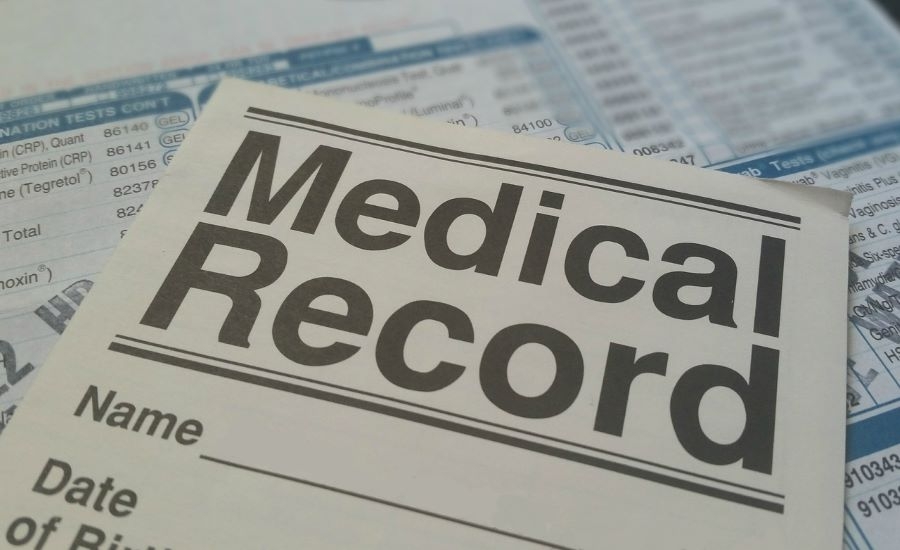
The rising costs of medical care can be a significant financial burden for many individuals and families. In times of unexpected medical emergencies or ongoing health conditions, finding ways to manage these expenses becomes crucial. One innovative financial strategy that has gained attention is cash-for-home transactions. This method involves selling a portion of one's home equity in exchange for a lump sum of cash, which can then be used to cover medical expenses.
Medical expenses can be a major financial burden for individuals and families, especially for those who are uninsured or underinsured. In such situations, people often find themselves struggling to pay for necessary medical treatments and procedures. This is where the concept of cash-for-home comes in.
Cash-for-home is a financial strategy that involves selling one's home in order to generate cash to cover medical expenses. It is a difficult decision to make, as a home is not just a financial asset but also holds sentimental value. However, in dire situations where medical expenses are piling up and there seems to be no other way to cover them, cash-for-home can be a viable option.
In this blog post, we will explore the concept of cash-for-home transactions as a financial strategy for navigating medical expenses, discussing its benefits, considerations, and potential impact on homeowners.
The Challenges of Navigating Medical Expenses
Medical expenses can often be overwhelming and unpredictable, leaving individuals and families struggling to find ways to cover the costs. From unexpected emergencies to ongoing treatments for chronic conditions, medical expenses can quickly add up and create financial stress. This is especially true for those without health insurance or with limited coverage. In fact, medical bills are one of the leading causes of bankruptcy in the United States.
Aside from the financial burden, navigating medical expenses can also be a daunting and confusing process. From deciphering insurance policies and coverage to negotiating payment plans with healthcare providers, it can be overwhelming to try and understand all the factors at play. This is where having a solid financial strategy becomes crucial.
It's important to understand the challenges that come with medical expenses and be prepared to handle them in the most effective way possible. This includes being informed about the options available, such as cash-for-home, and how they can help alleviate the financial strain. By educating yourself and having a plan in place, you can better navigate the challenges of medical expenses and ensure that you and your family are financially secure.
Pros And Cons of Using Cash-For-Home as a Financial Strategy
Using cash-for-home as a financial strategy can be a tempting option for those facing high medical expenses. This approach involves selling your home for cash to cover the costs of medical bills and other expenses. While it may seem like an easy and quick solution, there are both pros and cons to consider before making this decision.
One of the main advantages of using cash-for-home offers coming from we buy houses Kansas City companies for example, is the immediate access to a large sum of money. This can provide relief for those struggling to keep up with medical bills and other expenses. Additionally, this approach can help avoid the stress of dealing with foreclosure or bankruptcy.
However, there are also downsides to using cash-for-home. One major concern is the potential loss of your home. If you are unable to find another living arrangement, you may be left homeless. Furthermore, selling your home for cash may result in a lower selling price compared to selling through a traditional real estate agent, which can impact your financial stability in the long run.
Another potential drawback is the emotional toll of leaving your home and community. For many, a home holds sentimental value and leaving it can be a difficult decision. Additionally, if you have family and friends in the area, you may feel isolated and disconnected after moving away.
Ultimately, the decision to use cash-for-home as a financial strategy should be carefully considered and weighed against other options. It is important to fully understand the potential consequences and to seek professional financial advice before making any decisions.
Factors To Consider Before Opting for Cash-For-Home
Before deciding to opt for a cash-for-home strategy to cover your medical expenses, there are several important factors to consider. First and foremost, you need to assess the value of your home and determine if it is enough to cover your medical bills. This can be a difficult decision, as your home may hold sentimental value and may not be something you want to part with.
Another crucial factor to consider is the current state of the housing market. Is it a buyer's or seller's market? Will you be able to sell your home quickly and for a fair price? This is important to determine as it will impact the amount of money you can receive from the sale of your home.
Additionally, it's important to consider the potential tax implications of selling your home. Depending on your specific situation, you may be subject to capital gains taxes on the sale of your home. Consult with a financial advisor or tax professional to fully understand the financial impact of selling your home.
Lastly, think about your long-term plans and goals. If you sell your home to cover medical expenses, what will your living situation be? Will you be able to afford a new home or will you need to rent? This decision may also impact your overall financial stability and should be carefully considered before moving forward with a cash-for-home strategy.
How Cash-For-Home Can Help Alleviate Medical Expenses
Medical expenses can be a major financial burden for individuals and families. Even with insurance, copayments, deductibles, and other out-of-pocket expenses can quickly add up and become overwhelming.
This is where cash-for-home can be a lifesaver. By selling your home for cash, you can receive a lump sum of money that can be used to cover medical expenses and alleviate some of the financial stress. This can be especially helpful for those facing unexpected medical emergencies or ongoing treatments that require a significant amount of money.
With cash-for-home, you can quickly access the funds you need without having to go through a lengthy and complicated loan process. This financial strategy can provide much-needed relief during a difficult and overwhelming time. It's important to carefully consider all options and consult with a financial advisor before making any major financial decisions, but cash-for-home can be a viable solution for those struggling with medical expenses.
Potential Risks Associated with Cash-For-Home
While cash-for-home can provide a viable financial strategy for managing medical expenses, it is important to consider the potential risks associated with this option. One of the main risks is the possibility of receiving a lower price for your home than its actual value. This can occur if you are in a financial bind and need cash quickly, leading you to accept a lower offer than you would have otherwise.
Another risk to consider is the potential for scams. As with any financial transaction, it is important to thoroughly research the company or individual offering cash-for-home services. Make sure to check reviews, ask for references, and verify their credentials before moving forward with the sale of your home.
Additionally, it's important to be aware of any tax implications that may come with a cash-for-home transaction. Depending on your specific situation, you may be subject to capital gains tax on the sale of your home. It's always best to consult with a financial advisor or tax professional to fully understand the potential tax implications of this strategy.
Lastly, selling your home through a cash-for-home transaction means giving up the potential for future appreciation in the housing market. If you are able to hold onto your home and sell it at a later date, you may be able to make a larger profit. However, if you are in a dire financial situation and need immediate funds, cash-for-home may be the best option for you.
Overall, while cash-for-home can be a helpful financial strategy for managing medical expenses, it is important to carefully consider all potential risks and make an informed decision that best suits your individual circumstances.
Alternatives To Cash-For-Home for Managing Medical Expenses
While cash-for-home may be a viable option for some, there are other alternatives available for managing medical expenses. One option is to negotiate with medical providers for payment plans or discounts. Many providers are willing to work with patients to find a solution that fits their financial situation.
Additionally, there are nonprofit organizations and government programs that offer financial assistance for medical expenses. Doing thorough research and reaching out to these resources can help alleviate the burden of medical expenses. Another alternative is to explore crowdfunding platforms, where friends, family, and even strangers can donate towards medical expenses.
However, it's important to carefully consider the potential impact on privacy and personal relationships before choosing this option. Ultimately, it's important to carefully assess all available options and choose the one that best fits your individual needs and circumstances.
Tips For Negotiating a Cash-For-Home Deal
Negotiating a cash-for-home deal can be a daunting task, especially when dealing with medical expenses and the stress that comes with it. However, with the right approach and preparation, it can be a beneficial financial strategy for navigating these expenses. Here are some tips to keep in mind when negotiating a cash-for-home deal:
1. Do your research: Before entering into negotiations, make sure to research the current market value of your home. This will give you a better understanding of what a fair offer would be.
2. Consider all factors: When determining the value of your home, don't just consider the physical structure and land. Take into account any additional factors such as location, neighborhood, and local market trends.
3. Be realistic: While it's important to get a fair price for your home, it's also important to be realistic about the current market. Don't set your expectations too high, as this may hinder your ability to negotiate a deal.
4. Understand the buyer's perspective: Put yourself in the buyer's shoes and understand their motivations for purchasing your home. This will help you tailor your negotiation strategy and come to a mutually beneficial agreement.
5. Be prepared to compromise: Negotiations involve give and take, so be prepared to make concessions in order to reach a deal. This may include adjusting the price or including certain items in the sale.
6. Get everything in writing: Once an agreement has been reached, make sure to get all the details in writing. This will help avoid any misunderstandings or disputes in the future.
By following these tips, you can navigate the negotiation process and come to a successful cash-for-home deal that will help alleviate the burden of medical expenses. Remember to stay calm and rational throughout the process, and consult with a professional if needed.
Conclusion
In conclusion, cash-for-home can be a viable financial strategy for managing medical expenses. However, it is not a one-size-fits-all solution and should be carefully considered before making any decisions. Here are some key points and considerations to keep in mind:
• Evaluate your current financial situation and future goals before deciding to sell your home for cash.
• Research and compare offers from different cash buyers to ensure you are getting a fair deal.
• Be aware of potential tax implications and consult with a financial advisor or tax professional.
• Understand the potential impact on your credit score and ability to obtain future loans.
• Consider alternative options such as negotiating with medical providers or setting up payment plans.
• Keep communication open with your family and loved ones to make the best decision for your situation.
At the end of the day, it is important to prioritize your health and well-being above financial concerns. While cash-for-home may provide immediate relief for medical expenses, it is important to carefully weigh all options and make the decision that is best for you and your loved ones. We hope these tips and considerations have provided valuable insights into navigating medical expenses with the use of cash-for-home.