Selling your home can be both an exciting and daunting experience, especially when it comes to navigating the complex world of capital gains tax. Understanding the ins and outs of capital gains tax is crucial in order to maximize your profits and ensure compliance with tax laws.
In this comprehensive blog post, we will guide you through the process of selling your home and help you navigate the intricacies of capital gains tax. From determining your tax liability to exploring potential exemptions and deductions, we will provide you with valuable insights and tips to make the selling process as smooth and financially rewarding as possible. Whether you are a first-time seller or a seasoned homeowner, this guide will be your go-to resource for mastering capital gains tax when selling your home.
Determining If You Qualify for The Capital Gains Tax Exclusion
One of the biggest factors to consider when selling your home is the capital gains tax. This is a tax on the profit you make from selling a property that has increased in value since you first bought it. However, not all homeowners are subject to this tax. In fact, there is a capital gains tax exclusion for primary residences that can save you a significant amount of money.
To determine if you qualify for this exclusion, there are a few criteria to consider. First, the property must have been your primary residence for at least two of the past five years. This means that you lived in the property for at least two years out of the five years leading up to the sale. Additionally, you cannot have excluded the gain from the sale of another home within the past two years.
It's also important to note that the exclusion is based on the profit you make from the sale, not the sale price. So if you bought your home for $200,000 and sold it for $400,000, but put $100,000 into renovations, your taxable gain would be $100,000, not $200,000.
Finally, there are certain exceptions and special circumstances that may affect your eligibility for the exclusion, such as military deployment, divorce, or death of a spouse. It's important to consult with a tax professional or do thorough research to fully understand your eligibility for the capital gains tax exclusion.
Calculating Your Capital Gains on The Sale of Your Home
Calculating your capital gains tax on the sale of your home can seem like a daunting task, but understanding the process is crucial in order to avoid any surprises come tax time. The first step is to determine your cost basis, which is essentially the initial amount you paid for the property plus any improvements you have made over the years. This includes things like renovations, additions, and major repairs.
Next, you will need to determine the fair market value of your home at the time of sale. This can be done by looking at comparable properties in your area or hiring a professional appraiser. Once you have these figures, you can subtract your cost basis from the fair market value to calculate your capital gains.
It's important to note that there are some exemptions and deductions that can lower your capital gains tax. For example, if the home was your primary residence for at least two of the past five years, you may be eligible for the primary residence exclusion. This allows you to exclude up to $250,000 of capital gains from the sale if you are single, or $500,000 if you are married filing jointly.
Additionally, any expenses related to the sale, such as real estate agent fees, legal fees, and closing costs can be deducted from your capital gains. It's important to keep thorough records of these expenses to accurately calculate your final tax liability.
By understanding the process of calculating your capital gains tax, you can better prepare yourself for the financial implications of selling your home. Consulting with a tax professional can also provide valuable guidance and ensure that you are maximizing your deductions and exemptions.
Ways To Reduce Capital Gains Tax on The Sale of Your Home
Selling your home can be an exciting but also financially daunting process. One of the factors that can significantly impact your profits from the sale is capital gains tax. This tax is applied to any gain made from the sale of an asset, including your home. However, there are ways to minimize this tax and keep more money in your pocket.
The first way to reduce capital gains tax on the sale of your home is to take advantage of the home sale exclusion. This exclusion allows you to exclude up to $250,000 of capital gains if you're single and up to $500,000 if you're married and filing jointly. To qualify for this exclusion, you must have owned and used the home as your primary residence for at least two out of the last five years before the sale.
Another way to reduce capital gains tax is by keeping track of any home improvements you make. These improvements can increase your home's basis, which is the original cost plus any improvements, and reduce your taxable gain. Some examples of improvements that can increase your basis include adding a new roof, renovating a kitchen or bathroom, or installing a new HVAC system.
You can also consider strategies such as timing the sale of your home and using a 1031 exchange to defer capital gains tax. Timing the sale can be helpful if you know that your income will be lower in a certain year, as your tax rate may be lower. A 1031 exchange, also known as a like-kind exchange, allows you to defer paying capital gains tax by reinvesting the proceeds from the sale into a similar property.
By utilizing these strategies, you can potentially save thousands of dollars in capital gains tax when selling your home. Remember to consult with a tax professional or financial advisor to determine the best approach for your specific situation.
Reporting The Sale of Your Home on Your Tax Return
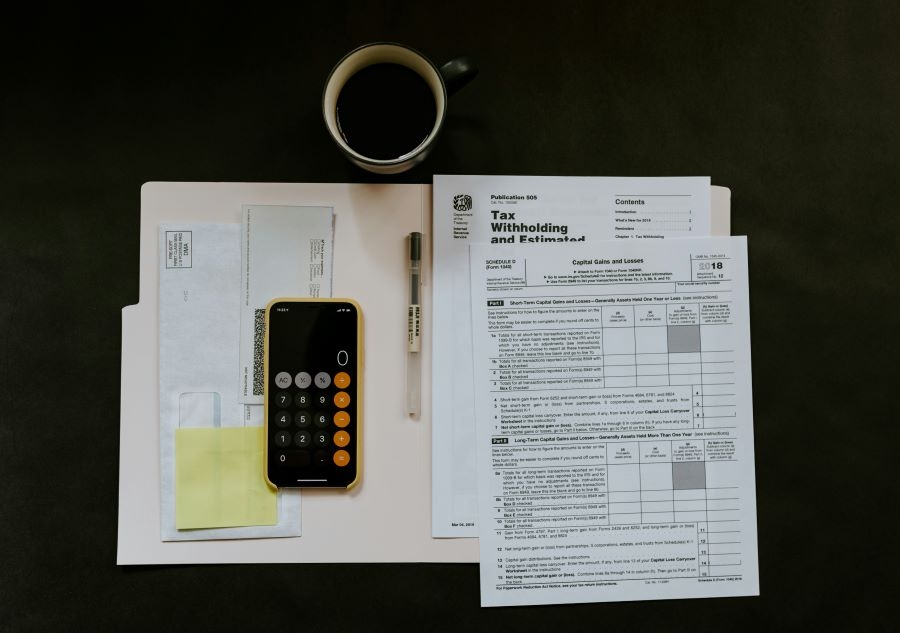
After successfully selling your home, it's important to report the sale on your tax return. This is required by the Internal Revenue Service (IRS) and failing to do so could result in penalties and fines. The form used for reporting the sale of your home is called Form 1040, Schedule D. This form is used to report any capital gains or losses from the sale of assets, including your home.
When filling out this form, you will need to provide the date of the sale, the amount you received from the sale, and any expenses related to the sale such as real estate agent fees or closing costs. You will also need to calculate your capital gains, which is the difference between the sale price and the adjusted basis of your home.
It's important to note that if you have lived in the home for at least two out of the past five years, you may be eligible for the capital gains exclusion. This exclusion allows you to exclude up to $250,000 of capital gains from the sale of your home if you are single, or up to $500,000 if you are married filing jointly. However, in order to claim this exclusion, you must meet certain criteria set by the IRS.
Reporting the sale of your home on your tax return can be a complex process, especially if you are not familiar with tax laws and regulations. It's important to consult with a tax professional or use tax software to ensure that you are accurately reporting the sale and taking advantage of any applicable tax breaks. By properly reporting the sale of your home, you can avoid any potential issues with the IRS and stay in compliance with tax laws.
Different Rules for Primary Residences and Second Homes
When it comes to selling your home, it's important to understand that there are different rules for capital gains tax depending on whether it is your primary residence or a second home. If you are selling your primary residence, you may be able to exclude up to $250,000 of the profits from the sale if you are single, or up to $500,000 if you are married and filing jointly.
However, for second homes or investment properties, capital gains tax will be calculated based on the difference between the sale price and the original purchase price, also known as the "cost basis." This means that you may be subject to a higher tax rate and may not have the same exclusion options as with your primary residence.
It's important to consult with a tax professional or do thorough research to understand the tax implications of selling your home and how to best navigate them. By understanding the different rules for primary residences and second homes, you can make informed decisions when it comes to selling your property and potentially save yourself from unexpected tax burdens.
Exemptions For Special Circumstances
In certain situations, you may be able to claim exemptions from paying capital gains tax on the sale of your home. These exemptions are available for special circumstances such as if you are selling your home due to a change in health, a divorce, or a job relocation that requires you to move at least 50 miles away.
You may also be eligible for an exemption if you are a member of the military and have served on qualified official extended duty. Additionally, there are exemptions available for those who have experienced financial hardship, such as a loss of income or a natural disaster.
It's important to consult with a tax professional to determine if you qualify for any of these exemptions and how to properly claim them. Taking advantage of these exemptions can significantly reduce the amount of capital gains tax you owe, so it's worth exploring if you believe you may qualify.
State-Specific Capital Gains Tax Implications
When it comes to capital gains tax on the sale of your home, the rules and regulations can vary by state. It's important to familiarize yourself with the specific laws in your state to avoid any surprises come tax time.
Some states may have a higher or lower capital gains tax rate, while others may have exemptions or deductions that can help reduce your tax burden. Additionally, some states may have different definitions of what constitutes a primary residence, which can impact your eligibility for certain tax breaks. It's also worth noting that some states have no capital gains tax at all.
Doing your research and consulting with a tax professional can help you understand the state-specific implications of selling your home and ensure that you are fully compliant with all tax laws.
Potential Tax Implications If You've Used Your Home for Business Purposes
If you have used your home for business purposes, such as running a home-based business or renting out a portion of your property, there may be potential tax implications when it comes to selling your home. In most cases, the portion of your home that was used for business will not be eligible for the capital gains tax exclusion. This means that you may be required to pay capital gains tax on the portion of the sale that is attributed to the business use of your home.
It's important to keep detailed records of any business use of your home, including any renovations or improvements made specifically for the business. This will help determine the percentage of your home that was used for business purposes and therefore subject to capital gains tax.
Additionally, if you have claimed any depreciation on your home for business use, this will also affect the amount of capital gains tax you may owe. It's best to consult with a tax professional to navigate the potential tax implications of using your home for business purposes and selling it. By being aware of these implications, you can properly plan and minimize any potential tax liabilities.
Working With a Tax Professional for Guidance
Navigating capital gains tax can be a confusing and daunting task, especially for those who have never dealt with it before. That's why it's highly recommended to seek guidance from a tax professional when selling your home. These experts are well-versed in tax laws and can provide valuable advice on how to minimize your tax liability while maximizing your profits.
A tax professional can also help you determine whether you qualify for any exclusions or deductions that can reduce your capital gains tax. For example, if you've lived in the home as your primary residence for at least two of the past five years, you may be eligible for the primary residence exclusion, which allows you to exclude up to $250,000 of capital gains (or up to $500,000 for married couples) from your taxable income.
In addition, a tax professional can also assist with the necessary paperwork and calculations to ensure you accurately report your capital gains and pay the correct amount of tax. They can also advise on any potential tax implications if you plan on using the proceeds from the home sale to purchase another property.
Overall, working with a tax professional can provide peace of mind and help you navigate the complex world of capital gains tax. So, before you put your home on the market, be sure to consult with a tax expert to ensure you're making the best financial decisions.
Common Mistakes to Avoid When Dealing with Capital Gains Tax
Navigating capital gains tax when selling your home can be a daunting task, and it's important to be aware of common mistakes that can end up costing you more money. One common mistake to avoid is failing to keep thorough records of any home improvements or renovations that you have made. These improvements can be deducted from your overall capital gains, reducing the amount of tax you owe. It's crucial to keep receipts and documentation of any upgrades or repairs you have done to your home.
Another mistake to avoid is not understanding the rules and exemptions surrounding capital gains tax. For example, did you know that if you've lived in your home for at least two out of the last five years, you may be eligible for the primary residence exclusion? This means you can exclude up to $250,000 of capital gains if you're single, or up to $500,000 if you're married, from your taxable income. It's important to consult with a tax professional or do thorough research to ensure you are taking advantage of any applicable exemptions.
Lastly, many homeowners make the mistake of not properly calculating their cost basis, which is the original purchase price of your home plus any additional costs such as closing fees or legal fees. This cost basis is used to determine your profit and ultimately, the amount of capital gains tax you owe. It's important to accurately calculate your cost basis to avoid overpaying in taxes.
By avoiding these common mistakes and staying informed about the rules and exemptions, you can navigate capital gains tax when selling your home with confidence. Remember to always consult with a tax professional for personalized advice and guidance.
Frequently Asked Questions About Capital Gains Tax on Home Sales
As with any tax topic, there are always plenty of questions and confusion surrounding capital gains tax on home sales. To help clear things up, we've compiled a list of frequently asked questions and their answers.
Q: How much is the capital gains tax on home sales?
A: The amount of capital gains tax you owe on the sale of your home depends on your individual tax situation. Generally, if you've owned and used the home as your primary residence for at least two of the past five years, you can exclude up to $250,000 of capital gains ($500,000 for married couples filing jointly) from your taxable income.
Q: Do I have to pay capital gains tax if I use the money from selling my home to buy a new one?
A: No, as long as you meet the requirements for the exclusion mentioned above, you can use the proceeds from selling your home to purchase a new one without owing capital gains tax.
Q: Can I claim any deductions to reduce my capital gains tax liability?
A: Yes, there are certain deductions and expenses that can be used to reduce your capital gains tax liability, such as home improvements and closing costs.
Q: Do I have to pay capital gains tax if I sell my home at a loss?
A: No, if you sell your home for less than you paid for it, you will not owe capital gains tax.
Q: Do I need to report the sale of my home on my tax return?
A: If you qualify for the exclusion and do not owe any capital gains tax, you do not need to report the sale of your home on your tax return. However, if you do not meet the requirements for the exclusion or have taxable capital gains, you will need to report the sale on your tax return.
By understanding the ins and outs of capital gains tax on home sales, you can confidently navigate this aspect of selling your home and avoid any unexpected tax liabilities. As always, it's best to consult with a tax professional for personalized advice regarding your specific situation. For those looking for more in-depth information and guidance on navigating capital gains tax when selling their home, consider visiting a reputable tax professional or financial advisor. You can also find helpful resources online at websites like modernofferrei.com.
Conclusion
We hope this blog post has provided you with valuable insights into navigating capital gains tax when selling your home. Understanding the implications and strategies for managing capital gains tax can save you money and hassle during the selling process. By following the tips and guidelines outlined in this post, you can make informed decisions and optimize your tax obligations when selling your home. Remember to consult with a tax professional for personalized advice tailored to your specific situation. Happy selling!