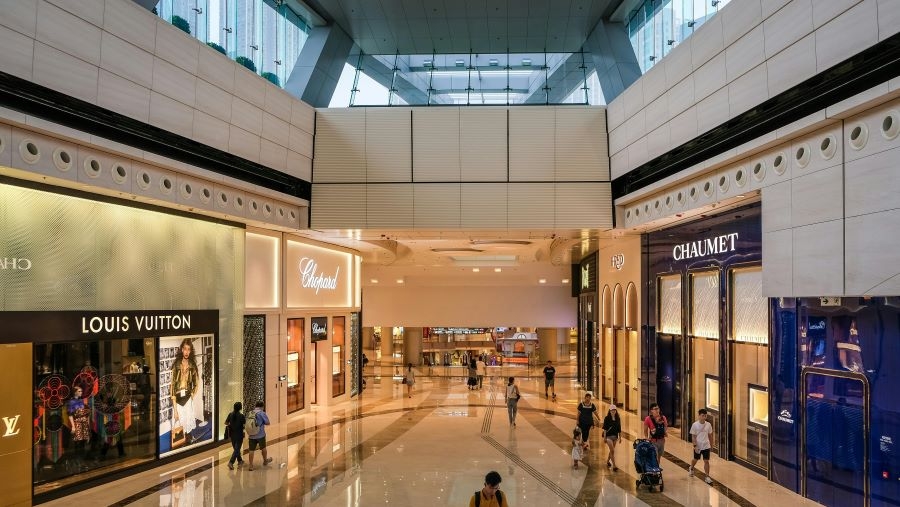
The rise of e-commerce and the Internet has brought about significant changes in the retail industry. Online shopping platforms now offer customers unparalleled access to a wide range of goods and services, along with convenience, price comparison, and a personalized shopping experience.
“Traditional brick-and-mortar retailers are facing serious challenges due to the shift in consumer behavior,” comments Jean Paul Wardy, Co-Founder and CEO of CenterCal Properties, on this notable change. “Despite the disruption caused by e-commerce, physical stores continue to play a crucial role in the consumer journey,” he adds.
To succeed in the digital age, physical retailers must adapt to the evolving customer landscape and make planned adjustments. This article explores some important strategies to accomplish the same.
The eCommerce Revolution
Several factors have contributed to the rapid expansion of e-commerce. Technological advancements, such as the widespread use of smartphones and high-speed internet, have made online shopping more accessible.
Additionally, growing confidence in digital payments and secure online transactions has further encouraged consumers to shop online. The rise of social media platforms and e-commerce marketplaces has also expanded the reach of online retailers.
The shift to online shopping has significantly impacted consumer behavior. The convenience, broader product selection, and often lower prices of online shopping attract customers, leading to decreased foot traffic in brick-and-mortar stores.
Moreover, customers' expectations for in-store experiences have risen due to their familiarity with personalized recommendations, seamless checkout processes, and flexible return policies. Online merchants now compete intensely with traditional brick-and-mortar stores in terms of cost, variety, and convenience.
Strategies for Brick-and-Mortar Stores
To succeed in this competitive and internet-driven age, brick-and-mortar stores need to distinguish themselves from their online counterparts. Here are a few strategies they can adopt for the same:
#1 Enhancing the In-Store Experience
Stores can create a captivating retail environment with thoughtful store ambiance, including lighting, sensory elements, and visual merchandising. Well-organized and visually appealing product displays can inspire shoppers and facilitate product discovery. Attentive and knowledgeable staff can provide exceptional customer service, leaving a lasting positive impression.
#2 Leveraging Technology
Technology plays a key role in bridging the gap between online and offline interactions. Omnichannel retailing ensures a seamless customer experience across various touchpoints, including physical stores, online platforms, and mobile apps. By integrating online and offline channels, retailers can offer services like buying online, picking up in-store (BOPIS), shipping from stores, and returns processing.
#3 Building a Strong Brand Identity
Mobile apps can enhance the in-store experience with features such as interactive displays, loyalty programs, and detailed product information. Data analytics enables personalized product recommendations and promotions, creating a more engaging shopping experience.
#4 Focusing on Unique Product Offerings
Developing a distinctive brand identity is essential for setting a physical store apart from competitors. Clearly defined values, messaging, and stories can attract and retain target consumers. Consistency in branding across all touchpoints, including marketing materials, store design, and customer interactions, strengthens brand recognition. A strong brand identity can build customer loyalty and allow retailers to command premium prices for their goods and services.
#5 Creating A Seamless Customer Journey
Focusing on unique experiences and product offerings can attract clients seeking something special. Curated product assortments, limited edition items, and exclusive partnerships can differentiate a store from its rivals. In-store events such as seminars, displays, or one-on-one consultations can make shopping memorable and increase customer engagement. Offering value beyond the product itself can boost word-of-mouth referrals and customer loyalty.
Building lasting connections requires a seamless consumer journey both online and offline. Consistent messaging, pricing, and promotions across all platforms contribute to a unified customer experience. Integrating loyalty programs, order tracking, and returns management across channels enhances customer satisfaction. By providing a smooth shopping experience, retailers can increase overall sales and encourage customers to interact with the brand through multiple touchpoints.
The Role of Omnichannel Retailing
A strategic approach that smoothly combines many sales channels, including physical storefronts, e-commerce websites, mobile apps, and social media platforms, is known as omnichannel retailing.
The goal of this coordinated strategy is to give consumers a coherent and consistent brand experience at every touchpoint. Retailers may design a more personalized and engaging purchasing experience by dismantling silos between various channels.
Retailers and customers alike can profit greatly from an omnichannel strategy:
• Increased Customer Reach: Retailers may increase their reach and reach a larger consumer base by offering a variety of channels via which customers can interact with the brand.
• Improved Customer Experience: omnichannel retailing improves the general customer experience by providing ease, personalization, and flexibility.
• Variety of Options: Consumers are more satisfied and loyal when they can use their preferred channel to return goods, make in-store purchases, or conduct online research on products.
Careful preparation and execution are necessary when implementing an omnichannel strategy. Sufficient inventory control is essential to guarantee product accessibility through all distribution channels. Retailers need to be able to see their inventory levels in real time to properly fulfill consumer requests and avoid stockouts.
Order fulfillment procedures need to be improved to handle orders coming from a variety of sources, such as typical e-commerce fulfillment, ship-from-store, and in-store pickup. Understanding consumer behavior and developing personalized experiences need the integration of client data across several channels. Retailers can acquire useful insights into client preferences and adjust their offerings by utilizing data analytics.
Conclusion
The emergence of e-commerce has posed notable obstacles for physical retail establishments; yet, it has also generated novel prospects for advancement and expansion. Retailers may prosper in the digital age by comprehending the changing consumer landscape and making strategic adjustments.
To compete with online retailers, businesses must improve the in-store experience, make use of technology, establish a strong brand identity, and concentrate on distinctive offers. A good retail strategy must include omnichannel retailing. Retailers may build streamlined and customized customer experiences by connecting digital and physical channels. Remaining ahead of the competition requires embracing innovation and change.
Brick-and-mortar retailers will be well-positioned for long-term success as long as they can adjust to shifting consumer behaviors and seize new opportunities as technology continues to advance.