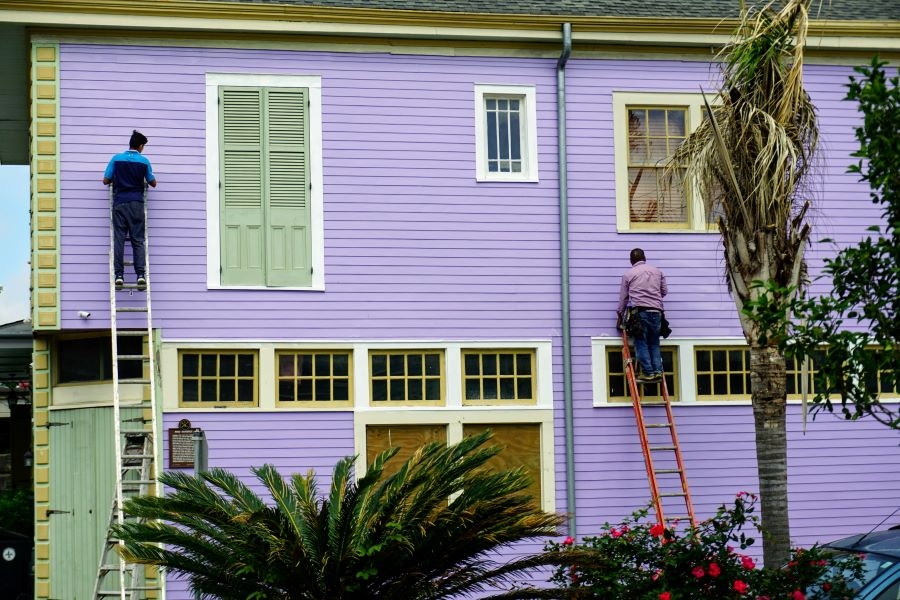
A well-done exterior paint job is crucial for both enhancing your home's appearance and safeguarding its structure. Winter weather presents unique challenges to this process, such as low temperatures and fluctuating humidity. To achieve a durable and attractive finish, it's crucial to employ specific strategies tailored to the winter season.
In this blog post, we’ll guide you through key tips and techniques for a smooth, long-lasting finish in cold, wet, and unpredictable weather.
Choose the Right Paint
The right paint is essential for a successful winter exterior paint job. Not all paints are designed to withstand colder temperatures, and choosing the wrong type can lead to premature cracking, peeling, and other issues. Opt for high-quality, winter-specific paints that are formulated to cure properly even in low temperatures.
These paints often contain additives that enhance flexibility and adhesion, ensuring a robust bond with the surface. To prevent mold and mildew growth, which is more likely in humid winter conditions, choose paints with built-in protection against these issues. Using the right paint can extend the life and maintain the appearance of your exterior paint job, even in harsh winters.
This Old House recommends acrylic paint for exterior applications due to its superior durability, flexibility, and color retention. Acrylic variants have a permeable quality, allowing trapped moisture to evaporate, thereby reducing the risk of paint damage like blistering or peeling. They adhere well to most surfaces, including wood, vinyl, metal, and masonry.
Prepare the Surface Thoroughly
A solid foundation for your paint job begins with thorough surface prep. Remove dirt, mold, and peeling paint from your exterior walls using a pressure washer or a cleaning solution and brush. Once the surface is clean, allow it to dry completely, as painting on damp surfaces can lead to poor adhesion and peeling.
Next, inspect the walls for cracks, holes, or damaged areas. Fill these with high-quality exterior-grade caulk or patching compound. Smooth out uneven areas with sandpaper to ensure a flawless painting surface. Finally, apply a suitable primer to ensure the paint bonds well and provides a uniform finish.
Livingetc emphasizes that inadequate surface preparation and poor paint application are major painting mistakes. Properly preparing the surface ensures the paint can endure environmental stress. It helps the paint maintain its appearance and adhesion over time.
Are there special cleaning products or techniques recommended for winter painting?
For winter painting, use cleaning products with mildewcide to combat increased moisture. Opt for a mixture of water, mild detergent, and bleach to remove dirt and mildew. Scrub the surface thoroughly, then rinse and let it dry completely. Power washers can also be effective for deep cleaning in cold weather.
Timing and Weather Considerations
Consumer Reports suggests that timing is crucial for a successful winter exterior paint job. Select days with temperatures at least 50°F and ensure it stays above 32°F at night for several days for optimal paint application.
Focus on painting during the warmest part of the day, typically midday, to avoid colder morning and evening temperatures. Avoid painting in harsh weather conditions like strong wind or rain to ensure proper paint adhesion and drying. Always check the weather forecast to ensure several consecutive dry days for the paint to fully cure.
Apply Paint Properly
Proper application is crucial for a durable and smooth winter exterior paint job. Begin by using a high-quality primer to create a smooth, even base for the paint. Apply primer with a brush in corners and edges, then use a roller for broader areas. Allow sufficient drying time between coats, following the manufacturer’s recommendations. Proper ventilation is also necessary to facilitate drying and curing.
For smooth surfaces, a high-quality synthetic bristle brush or a short-nap wool blend roller will deliver the best results, suggests Ideal Home. When painting textured surfaces, opt for a longer-nap roller to ensure complete coverage. Use a brush for corners and edges, avoiding paint overload to prevent drips and splashes.
What techniques can help achieve an even coat of paint in cold temperatures?
For optimal results in cold weather painting, select a high-performance paint designed for winter conditions. Thin coats of paint offer superior coverage and longevity compared to a single thick coat. The surface to be painted must be clean and dry for optimal results. Choose the warmest part of the day to paint and maintain a steady hand to prevent unevenness.
Consider Hiring Expert House Painters
Painting your home's exterior during winter can be an overwhelming task due to the challenging weather conditions. The process demands meticulous preparation, specialized paint, and precise application techniques. While DIY enthusiasts might be tempted to tackle this project, it's essential to weigh the potential benefits against the challenges involved.
For homeowners seeking a flawless and long-lasting exterior paint job, enlisting the services of expert house painters can be a wise decision. These professionals possess the necessary skills, experience, and equipment to navigate the intricacies of winter painting. They can assess the condition of your home's exterior, recommend suitable paint products, and execute the project efficiently, ensuring optimal results.
EA Pro Painters emphasizes the importance of using high-quality paint and materials for exterior walls. They also recommend asking the contractor for a work warranty. This extends the life and dependability of the paint job.
How can I find qualified painters experienced in winter exterior work?
To find qualified painters experienced in winter exterior work, seek recommendations from friends and neighbors, check online reviews, and visit local contractor websites. Look for painters with specific winter painting experience, verified credentials, and positive feedback. Request quotes and ask about their techniques for handling cold weather conditions.
Maintenance and Care After Painting
To maximize the lifespan of your new exterior paint, consistent care is vital. Once the paint is fully dry, regularly inspect the exterior for any damage or wear, especially after harsh weather. Gently clean the painted surfaces using a soft brush and mild detergent to remove dirt and grime that can deteriorate the paint.
Addressing small repairs promptly prevents them from worsening and protects your investment.
Ensuring a Winter-Ready Paint Job for Lasting Results
Achieving a successful winter exterior paint job demands careful preparation, the right products, and expert application. While DIY is possible, consider hiring professional painters for optimal results. Consistent care and monitoring are essential for maximizing the lifespan of your exterior paint.
By following these guidelines, you'll protect your home from winter's elements, avoid costly repairs, and maintain its beauty and value.