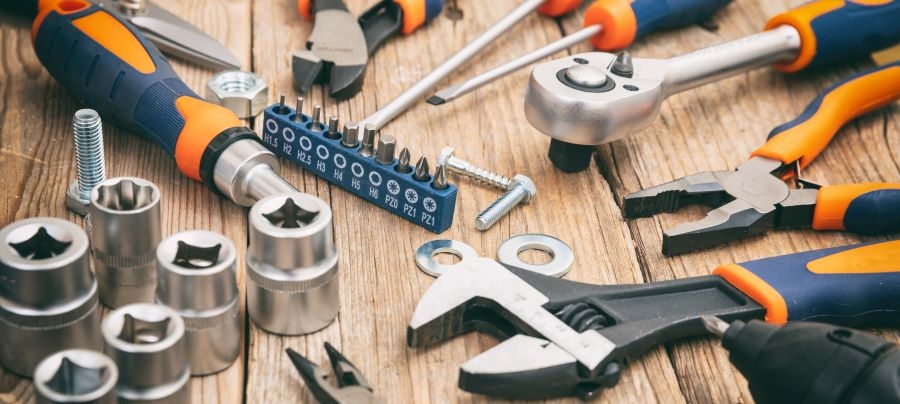
Moving into a new home is a milestone full of excitement, but it comes with a learning curve, especially when it comes to home maintenance. Whether it's hanging pictures, tightening a loose cabinet, or assembling furniture, many tasks require the right tools. The last thing you want is to be stuck in the middle of a small project without the proper equipment. As a new homeowner, investing in a reliable set of hand tools is essential for day-to-day repairs and larger home improvement projects. In this guide, we’ll cover the best hand tools that will help you tackle those home tasks with confidence.
Why New Homeowners Need the Best Hand Tools
Owning a home means regular maintenance and repair tasks, many of which you might not expect until you’re faced with them. From leaky faucets to squeaky doors, small fixes can pop up at any time. Professional help is always an option, but simple repairs can often be done on your own, saving time and money. That’s why every homeowner should have a well-stocked toolbox ready for action.
With the right tools, you won’t have to panic when a minor issue arises. Instead, you’ll be prepared to handle it quickly and efficiently. Even if you’ve never used tools before, many essential hand tools are user-friendly, and there are resources online to help guide you through DIY projects. Whether you’re tightening screws, cutting materials, or measuring spaces, a good set of tools can make homeownership smoother. Check out Maupin's for the best hand and power tools.
15 Best Hand Tools New Homeowners Need
Before we dive into the list of tools, let’s briefly define what hand tools are. Hand tools are non-powered devices designed to perform manual tasks like cutting, tightening, measuring, or hammering. These tools are often straightforward but indispensable in completing a variety of household jobs. Here are 15 essential hand tools every new homeowner should have:
1. Hammer
A claw hammer is the go-to for many homeowners. One side drives nails into surfaces, while the claw-shaped end is designed for removing nails or prying things apart. For example, a 16-ounce hammer is a versatile weight that works well for general home projects like building a shelf or hanging pictures. If you're planning on doing more delicate work, a ball-peen hammer is useful for tasks like light metalwork or tapping small nails without causing damage.
2. Screwdriver Set
A screwdriver set typically includes both flat-head and Phillips-head screwdrivers in various sizes. For instance, a multi-bit screwdriver can come in handy when you don’t want to carry a full set, as it allows you to switch between different types of heads. A comprehensive kit with magnetic tips is ideal for securely holding screws in place while you work. You’ll likely use these for furniture assembly, hanging shelves, or even tightening cabinet hinges.
3. Tape Measure
A 25-foot tape measure is long enough for most indoor and outdoor projects. Opt for one with a locking mechanism and a sturdy blade that stays extended when measuring longer distances. This is useful for projects like measuring windows for new blinds, determining the length of walls for painting, or figuring out the dimensions of new furniture to ensure it fits your space.
4. Utility Knife
Look for a retractable utility knife with a comfortable grip and a blade lock for safety. Blades should be easy to change when they become dull. A snap-off blade utility knife is especially handy for tasks requiring multiple cuts since you can snap off the dull section to reveal a new, sharp edge. This tool is great for cutting drywall, opening boxes, or trimming carpet.
5. Adjustable Wrench
An adjustable wrench (or crescent wrench) can fit nuts and bolts of different sizes. It's especially useful for plumbing repairs, such as tightening loose pipes under a sink or assembling furniture with bolts. A 6-inch adjustable wrench is great for smaller jobs, while a 10-inch wrench provides more leverage for larger projects.
6. Level
A small bubble level is essential for making sure your shelves, pictures, or curtain rods are straight. For larger projects like hanging a TV mount, a laser level can project a straight line across the wall, ensuring everything is perfectly aligned. A torpedo level is small and fits into tight spaces, making it ideal for jobs like leveling appliances or hanging picture frames.
7. Pliers
There are many types of pliers, each designed for different tasks. Needle-nose pliers are used for gripping small objects in tight spaces, like bending wire or retrieving screws. Slip-joint pliers can adjust to hold larger items like bolts or pipes. For electrical work, lineman’s pliers are a good choice for cutting wires and twisting them together. A set with different types ensures you're prepared for any task.
8. Allen Wrenches (Hex Keys)
A set of hex keys is invaluable for assembling furniture, especially items from stores that use hex bolts. They come in metric and imperial sizes, so having a set that includes both ensures you can handle various projects. Many come in T-handle versions for extra leverage, while folding sets keep multiple sizes in one convenient tool.
9. Hand Saw
For cutting wood, plastic, or even drywall, a crosscut hand saw is perfect for most household tasks. For finer, more precise cuts, you might consider a coping saw or a pull saw, which cuts on the pull stroke and offers greater control. These are ideal for smaller woodworking projects or trimming materials without needing a power saw.
10. Chisels
A basic set of wood chisels can help you with tasks like shaping wood, carving, or removing old grout. Bevel-edged chisels are versatile for woodwork, while cold chisels are useful for cutting metal or masonry. Look for chisels with comfortable handles for added control and hardened steel blades.
11. Stud Finder
A magnetic stud finder is a simple, inexpensive option that locates screws or nails in the wall, but an electronic stud finder is more precise and can detect the edges of studs. This is a must-have for securely hanging heavy objects, such as shelves, mirrors, or TVs, onto wall studs rather than drywall, which might not be able to support the weight.
12. Putty Knife
When you need to patch up small holes or cracks in the wall, a flexible putty knife is the ideal tool. It helps you smooth out spackling or joint compound for a professional finish. A wider putty knife can also scrape off old paint or wallpaper, making it a versatile tool for home improvement tasks.
13. Wire Cutters
Wire cutters come in handy for electrical work, from stripping wires to cutting them to size. A pair of diagonal cutters is perfect for snipping electrical wires, while needle-nose wire cutters offer precision for more detailed work. Look for tools with insulated handles if you plan on working with live electrical wires.
14. C-Clamps
A set of C-clamps is useful for holding materials together while glue or paint dries. They're particularly helpful for woodworking projects like building frames or repairing furniture. Quick-release clamps allow you to easily adjust the tension, while corner clamps are perfect for holding two pieces of material at a right angle.
15. Flashlight or Headlamp
A reliable LED flashlight or headlamp ensures you can see what you're doing in dark spaces, whether it's under the sink or in the attic. Rechargeable flashlights save you from constantly buying batteries, and a hands-free headlamp is invaluable when you're working in tight spaces and need both hands free.
Having these 15 essential hand tools ensures you're ready for almost any household repair or project as a new homeowner. You can buy hand tools at most hardware stores, home improvement centers, or online retailers. When shopping for tools, it's important to consider factors like quality, durability, and comfort.
Safety Tips When Using Hand Tools
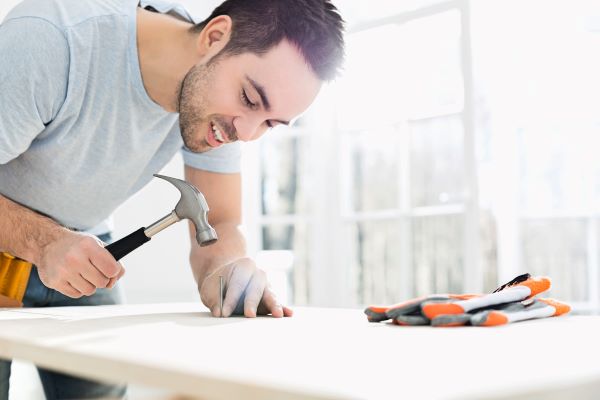
Hand tools might seem simple, but using them incorrectly can lead to injury. It’s important to follow safety practices to avoid accidents. Before using any hand tool, always inspect it for damage or wear. For example, a cracked hammer handle or a dull utility knife blade can lead to slips or breaks, which may cause injury. When working with tools that have blades or sharp edges, ensure that your workspace is clear and that you’re cutting away from your body. Wear gloves and safety glasses to protect you from debris or sharp objects.
Another crucial safety tip is to use the right tool for the job. Misusing a tool, like using pliers instead of a wrench to tighten a bolt, can damage the tool or the object you’re working on, and may even result in injury. Additionally, be mindful of your workspace—make sure you have proper lighting and that the area is free from tripping hazards.
Finally, always store your tools properly. Leaving tools scattered around can lead to accidents, and proper storage will extend their lifespan, ensuring they’re ready for the next task. A toolbox or pegboard in a designated space can help keep your tools organized and accessible.
Conclusion
As a new homeowner, having the right hand tools on hand can make all the difference in maintaining and improving your home. From hanging shelves to tackling basic repairs, these 15 essential tools will set you up for success. Equipping yourself with a solid toolkit not only saves money on professional repairs but also empowers you to take ownership of your home maintenance. Follow safety guidelines and use each tool correctly, and you’ll be well on your way to mastering your DIY projects. Happy home improvement!