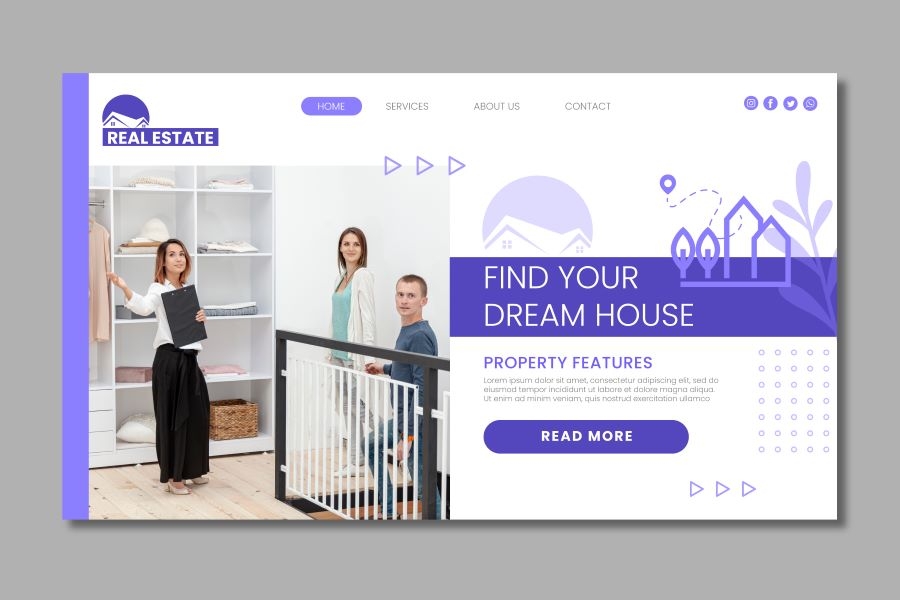
Launching a real estate business website is essential for anyone looking to thrive in Sarasota's competitive market. A well-crafted website serves as your virtual storefront, attracting potential clients and showcasing your unique offerings. It can set the foundation for strong client relationships and streamlined communication.
A crucial step is to ensure the website is user-friendly and mobile responsive. Given that many users browse properties on their phones, a responsive site can significantly increase engagement and lead conversion. Furthermore, high-quality images and detailed property descriptions can effectively capture the interest of prospective buyers.
Incorporating SEO best practices will help improve the website's search engine ranking. Optimizing your site for search engines can drive organic traffic, making it easier for local clients to discover your business. Regularly updating your blog with market insights and community news can also enhance your site's visibility and credibility.
Establishing Your Brand Identity
Creating a strong brand identity involves selecting a memorable domain name, designing a distinctive logo and color scheme, and articulating a unique value proposition. Each element communicates who you are to your potential clients.
Choosing a Memorable Domain Name
A memorable domain name is crucial for establishing an online presence. It should be easy to spell, pronounce, and remember. Tips for choosing a domain name:
• Keep it short: Aim for 6-14 characters.
• Use keywords: Incorporate terms related to real estate or Sarasota.
• Avoid numbers and hyphens: These can be confusing.
Designing a Logo and Brand Color Scheme
A logo and color scheme are visual representations of your business. They should be unique and consistent across all platforms. Important considerations:
• Simplicity: A clean, simple logo is more versatile.
• Colors: Choose 2-3 colors that convey the right message. Blue often indicates trust, while green signifies growth.
• Consistency: Use the same fonts and colors in your logo and website to create a cohesive look.
Crafting Your Unique Value Proposition
Your unique value proposition (UVP) sets you apart from competitors. It should answer why a client should choose you over others. Steps to create a UVP:
• Identify your strengths: Highlight what you do best, such as local market knowledge.
• Convey benefits: Explain how clients will benefit from your services.
• Keep it concise: Aim for a one-sentence statement that clearly communicates your value.
Developing Your Website
Building an effective real estate website involves several crucial steps, including choosing the right development platform, implementing user-friendly navigation, ensuring mobile optimization, and maintaining high-quality content.
Selecting the Right Web Development Platform
Choosing the right platform is essential. Options range from WordPress and Wix to more advanced frameworks like React or Angular. WordPress is user-friendly, with numerous plugins for real estate listings.
Wix offers drag-and-drop simplicity, useful for those without coding skills. Advanced users might prefer React or Angular for greater control and customization. It’s vital to evaluate your technical skills and long-term goals before selecting a platform.
Incorporating User-Friendly Navigation
Ease of navigation directly impacts user experience. The main menu should have clear categories like "Home," "Listings," "About Us," and "Contact." Dropdown menus can help but should not be overcrowded.
Breadcrumb trails indicate the user's current location within the site, aiding navigation. Additionally, a search bar with filters for property type, price, and location enhances usability.
Optimizing for Mobile Devices
A significant portion of real estate searches are done on mobile devices. A responsive design adjusts to various screen sizes, providing a seamless experience. Google’s Mobile-Friendly Test tool can check the website’s compatibility.
Fast loading times are crucial; compress images and leverage browser caching. Touch-friendly elements, such as larger buttons and easy-to-select dropdowns, contribute to a better mobile user experience.
Ensuring High-Quality Content Creation
Content should be informative and engaging. High-quality images and detailed property descriptions are essential. Virtual tours and video walkthroughs further enrich the user experience. Blog posts on real estate trends, tips for buyers and sellers, and market analysis can establish the website as a trusted resource. Always proofread to avoid spelling and grammatical errors, and update content regularly to keep it relevant.
Search Engine Optimization Strategies
Effective SEO from a Sarasota SEO company can drive more traffic to your Sarasota real estate business website, boosting visibility and attracting potential buyers. Key strategies include targeted keyword research, optimizing on-page elements, and building high-quality backlinks.
Keyword Research for Sarasota Real Estate
Identifying the right keywords is crucial for reaching buyers and sellers in Sarasota. Start with local-specific terms like "Sarasota homes for sale," "Sarasota waterfront properties," or "Sarasota real estate market." Tools like Google Keyword Planner and SEMrush can help find high-volume keywords.
Create a list of long-tail keywords for niche markets. For example, "luxury condos in Sarasota" or "family homes near Sarasota schools." These terms often have less competition, making it easier to rank higher.
On-Page SEO for Real Estate Listings
Optimizing on-page elements involves enhancing content, tags, and URLs to improve search engine rankings. Use primary keywords in the title tags, meta descriptions, and headers of your listings. They should accurately describe the property while incorporating key phrases.
Visual elements also play a role. Optimize all images by including alternative text (alt text) with relevant keywords. Ensure each listing has valuable and unique content that offers insights into the property and its surroundings.
Building Quality Backlinks
Backlinks boost your site's authority and improve search rankings. Focus on acquiring links from reputable real estate websites and local Sarasota businesses or news outlets. Guest blogging or sharing articles related to Sarasota real estate on these platforms can be beneficial.
Create shareable content like market reports, infographics, or guides that provide value to your audience. This encourages others to link back to your site naturally. Engage actively on social media and online forums; sharing your listings here can also generate backlinks. Proper backlink strategy not only enhances SEO but also establishes your website as a trusted resource in Sarasota's real estate market.
Leveraging Social Media and Blogging
Effectively utilizing social media and blogging can amplify your website's reach, establish authority, and engage potential clients. Focus on creating shareable content, integrating social media platforms seamlessly, and maintaining a consistent content calendar.
Creating Shareable Content
Shareable content encourages engagement. Prioritize posts that address common real estate questions, market trends, and community news. Include images, infographics, and videos to make posts visually appealing. User-friendly blog posts with tips and how-tos can attract more viewers. Ensure headlines are compelling and relevant. Engaging content leads to likes, shares, and comments which can increase website traffic.
Integrating Social Media Platforms
Integrating social media platforms with your website facilitates seamless interaction.
Add social sharing buttons to blog posts so visitors can easily share content. Feature live feeds from platforms like Instagram or Twitter on your website. Consistent branding across all platforms creates a unified presence. Utilize social media analytics to monitor and adjust strategies for better engagement.
Establishing a Content Calendar
A content calendar keeps your posting schedule organized and consistent. Plan blog topics and social media posts at least a month in advance. Use calendars to track important dates like local real estate events and market updates. Incorporate various content types like videos, blogs, and infographics. Regular updates keep the audience engaged and build trust over time.
Analyzing and Refining Your Strategy
To optimize your Sarasota real estate business website, continuous analysis and refinement are essential. Use data-driven insights from various tools to monitor traffic, interpret user engagement, and adjust strategies based on performance.
Using Analytics Tools to Monitor Traffic
Deploy tools like Google Analytics or Adobe Analytics. These platforms provide comprehensive data on user behavior, page visits, and traffic sources. Setting up custom dashboards allows for real-time tracking.
Identify which pages attract most visitors and how users navigate through your site. Evaluate metrics like bounce rate, session duration, and referral sources. This information sheds light on what's working and areas needing improvement.
Interpreting User Engagement Data
Assess how users interact with your site. Key metrics include click-through rates (CTR), conversion rates, and average time on page. Tools like Hotjar offer heatmaps and session recordings to visualize user activity.
Analyze which features or content retain visitors and convert leads. Determine if users are engaging with property listings, blog posts, or contact forms. This helps in fine-tuning content and user interface to boost engagement.