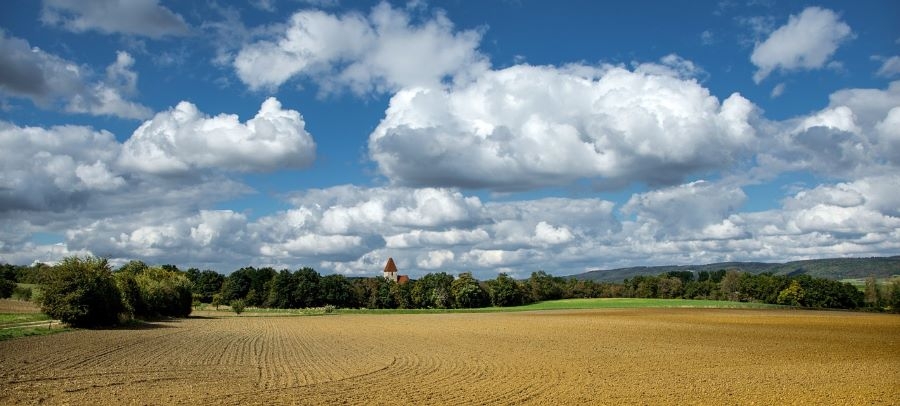
Selling vacant land is a unique venture that differs significantly from selling a house. Many landowners find themselves wondering whether they should sell their land on their own or enlist the help of a real estate professional. On the surface, selling your land yourself may seem like an appealing way to save money on commission fees, but there are several factors to consider before jumping into the process. In this blog, we’ll explore the pros and cons of selling vacant land yourself and whether it’s truly the right choice for you.
The Appeal of Selling Your Vacant Land on Your Own
For many landowners, the most significant advantage of selling their property themselves is the potential savings on commission fees. Real estate agents often charge a percentage of the sale price, which can range between 5-6% depending on the agent and market conditions. If your property is valued at a significant amount, those fees can add up quickly. By selling the land yourself, you may be able to avoid these costs and keep more money in your pocket.
Another reason some landowners choose the for-sale-by-owner (FSBO) route is the feeling of control. When you handle the sale, you can set the price, negotiate directly with buyers, and make decisions on your timeline. For those who like being hands-on, this can be a rewarding experience. Plus, with the abundance of online platforms available today, it’s easier than ever to list your land for sale and reach a broad audience. Platforms like Zillow, Craigslist, and specialized land websites make it possible for anyone to market their property without hiring an agent.
However, before you get too excited about the prospect of saving money and taking control, it’s essential to consider the potential challenges that come with selling vacant land on your own.
The Challenges of Selling Your Own Land
While the benefits of selling land on your own might sound enticing, it’s crucial to recognize that selling vacant land is not as straightforward as it seems. One of the first hurdles you’ll encounter is determining the right price for your property. Unlike houses, vacant land doesn’t have the same level of comparable sales or clear benchmarks for pricing, making it harder to assess the market value accurately. If you overprice your land, it may sit on the market for months or even years. Underpricing, on the other hand, can result in a financial loss.
Next, you’ll need to consider how to attract buyers. Marketing vacant land can be tricky, as the buyer pool for raw land is smaller than for homes. You’ll need to put in the effort to craft a compelling listing that highlights the unique features of the property, such as its location, potential uses, and proximity to amenities. Simply putting up a listing with a few pictures won’t be enough.
Negotiating the sale is another challenge. Without the experience of a real estate agent, you may find it difficult to navigate offers and counteroffers. Buyers who are looking for vacant land often come in with lowball offers, especially if they sense that you are not familiar with the market. Without an agent to advocate on your behalf, it can be easy to feel overwhelmed or pressured to accept an offer below your asking price.
Legal Considerations When Selling Vacant Land Yourself
Selling land also involves legal complexities that should not be overlooked. When you sell a house, much of the legal work is handled by professionals, but when selling land on your own, those responsibilities fall squarely on your shoulders. You’ll need to ensure that the property’s title is clear, that there are no liens or legal disputes affecting the land, and that all local zoning laws and regulations are adhered to. Additionally, preparing and understanding a legally binding contract is essential to protect your interests and avoid future issues.
If you are unfamiliar with the legal aspects of a real estate transaction, it might be a good idea to hire a real estate attorney to guide you through the process. While this may add to your costs, it can also save you from costly mistakes down the line. Real estate laws vary by state, so what works in one region might not apply to another. It’s vital to know what paperwork is required, including disclosures, deeds, and financing options if applicable.
Marketing Your Land: What Works and What Doesn’t
One of the most crucial elements in selling land is marketing. When selling a house, staging and photographs can make a huge impact, but how do you market a piece of land? Since the property doesn’t have a structure to highlight, it’s important to focus on other aspects. You’ll want to emphasize the land’s potential—whether it’s suitable for development, farming, recreational use, or conservation. Create a clear and detailed description that helps buyers envision what they could do with the land. High-quality photographs are also a must. If possible, include aerial shots or drone footage that showcase the size and layout of the property.
In addition to listing your property on popular real estate websites, consider using niche land-selling platforms. Websites like Lands of America, LandWatch, and even Facebook Marketplace can be excellent resources for reaching buyers interested in vacant land. Social media can also play a role in your marketing strategy. Joining land-related groups on Facebook or using Instagram to post visually appealing shots of your property can help you get noticed.
That being said, not all marketing strategies are equally effective. Generic, poorly written listings can actually do more harm than good. If potential buyers see a lackluster description or blurry photos, they may assume the property isn’t worth their time. Make sure your marketing materials are polished and professional.
The Time and Effort Required
Selling land on your own is not a passive endeavor. It requires time, energy, and attention to detail. From researching the market to fielding inquiries from potential buyers, the process can be labor-intensive. You may find yourself answering the same questions over and over, coordinating site visits, and negotiating with interested parties. If you have a full-time job or other responsibilities, it can be difficult to manage the sale on your own.
Another aspect to consider is the timeline. Selling land generally takes longer than selling a home, and the process can drag out if the property is not priced right or marketed effectively. If you’re looking for a quick sale, working with a professional real estate agent or land-buying company might be the better option. Some land-buying companies, like Fast Land Offers, can expedite the sale, offering a quick and hassle-free transaction that could take a fraction of the time compared to selling on your own.
Alternatives to Selling Your Land Yourself
If the idea of selling your land on your own feels daunting, but you’re hesitant to pay an agent’s commission, there are alternatives to consider. For instance, you could explore working with a land-buying company. These companies specialize in purchasing vacant land quickly, often with cash offers, and they handle most of the transaction details for you. This option can be ideal for sellers who want a fast, simple sale without the hassle of marketing and negotiations.
Land auctions are another avenue. Auctions can attract motivated buyers and result in a quick sale, but there’s no guarantee you’ll get the price you want. It’s important to weigh the pros and cons of each option and decide which aligns best with your goals and timeline.
Conclusion
Selling your vacant land yourself can be a rewarding experience, but it’s not without its challenges. While the potential to save on commission fees and maintain control over the process may be appealing, the time, effort, and expertise required can make it a daunting task. Pricing the land correctly, marketing it effectively, and navigating the legal complexities are just a few of the hurdles you’ll face. If you have the knowledge, time, and resources, selling land yourself could be the right choice. However, for many, working with a real estate agent or land-buying company may be a better option to ensure a smooth and successful transaction.