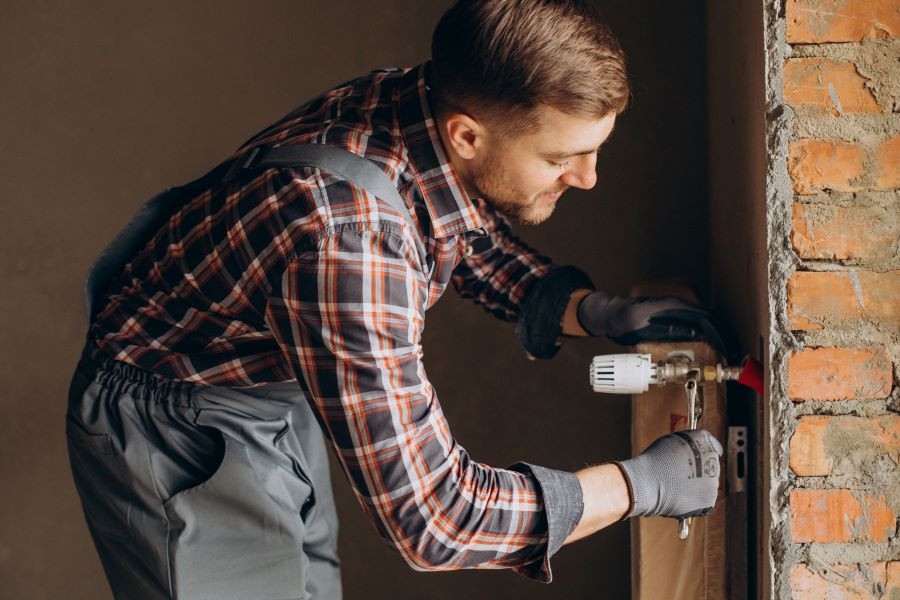
A furnace is the heart of your home’s heating system, keeping your living space warm and comfortable during the cold months. Over time, however, even the best furnaces start to show signs of wear and lose efficiency. At some point, repairs and maintenance may no longer be enough to keep it running effectively, leading you to consider a furnace replacement. Replacing a furnace is a significant investment, and knowing when and how to undertake this project is essential. By understanding the signs that it’s time for a replacement, the various furnace options available, and what to expect during the installation process, you can make informed decisions that will benefit your home for years to come.
Deciding to replace a furnace is not a decision homeowners take lightly, given the costs and effort involved. A new furnace can bring many advantages, including improved energy efficiency, increased comfort, and long-term savings on heating bills. However, the process of selecting the right furnace, arranging for installation, and understanding the costs can be overwhelming. This guide provides an overview of everything you need to know about furnace replacement, from recognizing when it's time to replace your furnace to choosing the right unit and preparing for installation.
Signs It's Time to Replace Your Furnace
Before diving into the furnace replacement process, it's crucial to identify the signs indicating that your current system may be nearing the end of its useful life. One of the most common indicators is the age of your furnace. Most furnaces have an average lifespan of 15 to 20 years. If your furnace is within or beyond this age range, it may be time to consider a replacement, especially if it has been experiencing frequent breakdowns or efficiency issues. An older furnace tends to become less efficient over time, resulting in higher energy bills as it struggles to maintain a consistent temperature.
Another sign that a furnace replacement might be necessary is the need for frequent repairs. Occasional maintenance is expected, but if you find yourself calling a technician several times a year to fix various problems, the costs can add up quickly. Moreover, continuous repairs are often a sign that your furnace is working harder than it should, which can be a strain on its components and lead to more serious issues in the future. If the cost of repairs is approaching half the cost of a new furnace, it's generally more economical to invest in a replacement.
Inconsistent heating or cold spots throughout your home can also indicate that your furnace is no longer operating effectively. As furnaces age, they can lose their ability to distribute heat evenly, resulting in some rooms being warmer than others. Additionally, if your furnace is making strange noises such as rattling, banging, or humming, it could mean that internal parts are failing or that there are loose components. Unusual sounds should not be ignored, as they often signal that the furnace is struggling to function properly.
Increased utility bills without a corresponding increase in usage are another red flag. As furnaces become less efficient, they consume more energy to heat your home. This not only raises your monthly expenses but also indicates that the furnace is underperforming. While rising energy costs can sometimes be due to other factors, a significant spike in your heating bills usually points to an inefficient furnace.
Choosing the Right Furnace for Your Home
Once you've determined that it's time to replace your furnace, the next step is selecting a new system that meets your home's heating needs. With advancements in heating technology, today's furnaces are more efficient and environmentally friendly than older models. However, there are several types of furnaces to consider, each with its own set of benefits. The most common types include natural gas, oil, electric, and propane furnaces.
Natural gas furnaces are among the most popular choices due to their efficiency and relatively low operating costs. They use a heat exchanger to warm air, which is then circulated through the ductwork. Modern gas furnaces can reach efficiency ratings of up to 98%, making them an excellent option for homeowners looking to reduce their energy bills. However, the installation cost can be higher, especially if your home does not already have a gas line in place.
Oil furnaces are another option, particularly in areas where natural gas is not available. While oil furnaces are typically less efficient than their gas counterparts, they can still provide reliable heating. The cost of operating an oil furnace can fluctuate depending on oil prices, so it's important to consider the long-term expenses when choosing this option. Electric furnaces are usually less expensive to install and are ideal for homes without access to gas or oil. However, they tend to be more expensive to operate due to the cost of electricity.
Propane furnaces are similar to natural gas furnaces in terms of operation and efficiency. They are commonly used in rural areas where natural gas lines are not accessible. Propane is stored in a tank on the property, providing a reliable heating source. The cost of propane can vary, but for homeowners in areas with limited fuel options, it can be a viable solution.
When selecting a new furnace, consider the size and layout of your home. A furnace that is too large or too small for your space can result in inefficiency, frequent cycling, and uneven heating. Consulting with a heating professional is the best way to determine the appropriate size and type of furnace for your home. They will perform a load calculation to assess your heating needs based on factors such as square footage, insulation, window placement, and local climate.
The Installation Process
After choosing the right furnace, the next step is the installation process. Proper installation is critical to ensure that your new furnace operates efficiently and safely. A poorly installed furnace can lead to a host of problems, including reduced performance, increased energy bills, and potential safety hazards such as carbon monoxide leaks. For this reason, it's essential to hire a qualified HVAC professional to handle the installation.
The installation process begins with the removal of the old furnace. The technician will disconnect the existing unit from the ductwork, gas lines, and electrical connections. They will then carefully remove the old furnace from the home, taking care to follow safety procedures and properly dispose of any hazardous materials, such as old refrigerants or fuel. Depending on the condition of your existing ductwork, the technician may also inspect and clean the ducts to ensure that they are free of debris and leaks.
Next, the new furnace is installed. This involves connecting the new unit to the ductwork, gas line (if applicable), and electrical system. The technician will also install any necessary accessories, such as a new thermostat or humidifier, to enhance the furnace's performance. The installation process can take several hours to complete, depending on the complexity of the setup and any additional modifications required.
Once the new furnace is in place, the technician will test the system to ensure that it is functioning correctly. This includes checking for proper airflow, verifying that the thermostat is communicating with the furnace, and conducting a safety inspection to ensure that there are no gas leaks or other hazards. The technician will also provide instructions on how to operate and maintain the furnace, including how to change air filters and set the thermostat for optimal performance.
The Cost of Furnace Replacement
The cost of replacing a furnace can vary significantly depending on factors such as the type of furnace, its efficiency rating, the size of the unit, and the complexity of the installation. On average, homeowners can expect to spend between $3,000 and $7,000 for a new furnace, including installation. High-efficiency furnaces with advanced features may cost more upfront but can result in long-term savings on energy bills.
In addition to the cost of the furnace itself, there may be additional expenses related to the installation. For example, if your home requires modifications to the ductwork, gas line, or electrical system, this can increase the overall cost. Some homeowners may also choose to install a new thermostat or upgrade to a smart thermostat, which can provide more precise temperature control and further enhance energy efficiency.
To help offset the cost of a new furnace, consider exploring available rebates and incentives. Many utility companies, manufacturers, and government programs offer rebates for installing high-efficiency heating systems. These incentives can significantly reduce the upfront cost and make it more affordable to invest in an energy-efficient furnace.
Maintaining Your New Furnace
After your new furnace is installed, regular maintenance is essential to keep it running efficiently and prolong its lifespan. Routine maintenance includes changing the air filters every few months, scheduling annual inspections with an HVAC professional, and keeping the area around the furnace clean and free of obstructions. Proper maintenance not only ensures that your furnace operates at peak efficiency but also helps prevent potential issues that could lead to costly repairs or even a premature replacement.
In conclusion, replacing a home furnace is a significant investment that requires careful consideration and planning. By recognizing the signs that it’s time for a replacement, choosing the right type of furnace for your home, and understanding the installation process and costs involved, you can make a well-informed decision. With the right furnace and proper maintenance, you can enjoy a warm and comfortable home while also benefiting from improved energy efficiency and long-term savings.