Homeownership is one of the most significant investments you'll make in your lifetime, and maintaining that investment is crucial. One way to do so is through regular home inspections, which help identify potential issues before they become costly problems. Routine inspections not only save you money but also provide peace of mind, knowing that your home is safe, efficient, and properly maintained.
Whether you're living in an older house or a newly built home, conducting routine inspections can greatly extend the lifespan of your property. Let's explore some key areas where inspections are particularly beneficial, starting with the roof.
Roof Health: Protecting Your Home from Above
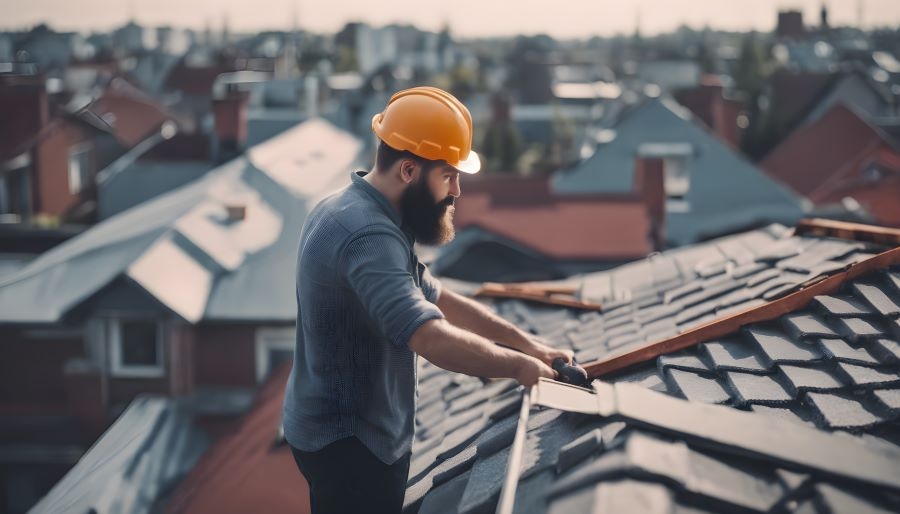
The roof is one of the most critical components of any home, protecting from weather elements like rain, snow, and the harsh rays of the sun. Despite its importance, many homeowners tend to overlook roof maintenance until a significant issue arises. Regularly inspecting your roof is essential to ensure it remains in good condition, safeguarding your home from leaks, structural damage, and even mold growth caused by water seepage.
A thorough inspection should include checking for missing, cracked, or curling shingles, as these can be early signs of wear and tear. Additionally, it's vital to inspect the flashing around chimneys and vents, as damaged or deteriorating flashing can lead to leaks. Gutter systems also play a crucial role in maintaining the roof's health by directing water away from the house, so they should be kept free of debris to prevent water from pooling on the roof.
For homeowners who may not be comfortable conducting their own roof inspections, hiring a professional can provide peace of mind. A qualified roofer will be able to assess the roof's condition and recommend necessary repairs or replacements, helping you avoid more significant problems down the road.
Foundation and Structural Integrity: The Backbone of Your Home
The foundation is the backbone of your home, providing structural support for the entire building. Routine home inspections should always include an evaluation of the foundation and structural integrity to identify any potential issues, such as cracks, uneven floors, or shifting walls. Ignoring foundation problems can result in significant structural damage that is both costly and difficult to repair.
Foundation inspections typically involve checking for cracks in the foundation walls, floors, and exterior surfaces. Small cracks are often the result of natural settling and may not pose an immediate risk, but larger or growing cracks can be a sign of more serious issues, such as soil movement or poor drainage. Additionally, an inspector will assess the moisture levels around the foundation, as excessive moisture can weaken the foundation over time and lead to further damage.
In homes with basements, it's important to check for signs of water intrusion, such as dampness, mold, or mildew. These issues not only affect the foundation but can also lead to health concerns for occupants if left unaddressed. By identifying these problems early, homeowners can take steps to prevent further damage and costly repairs.
Electrical Systems: Keeping Your Home Safe and Efficient
The electrical system is another critical component of a home that requires routine inspection to maintain safety and efficiency. Over time, wiring can become frayed, outlets can become damaged, and circuits may become overloaded, all of which pose fire hazards. Routine inspections by a licensed electrician can help ensure that your home's electrical system is up to code and functioning safely.
During an electrical inspection, the electrician will check for a variety of issues, including outdated wiring, overloaded circuits, and faulty outlets. Homes with older electrical systems may not be equipped to handle the increasing demand for power due to modern appliances and electronics, which can lead to overheating and potential fire risks. Upgrading the electrical panel or adding new circuits may be necessary to keep the system functioning efficiently.
In addition to safety concerns, an outdated electrical system can lead to higher energy bills. Faulty wiring or inefficient appliances may cause your home to use more energy than necessary, resulting in increased costs. Regular inspections help identify these issues and allow homeowners to make the necessary upgrades, improving energy efficiency and reducing utility bills.
Plumbing Systems: Preventing Water Damage and Waste
A well-maintained plumbing system is essential for the overall health of a home, as it provides clean water for drinking, cooking, and bathing while safely removing waste. However, plumbing systems can develop issues over time, such as leaks, clogs, and pipe corrosion, which can lead to significant water damage if not addressed.
Routine inspections of the plumbing system can help identify potential problems before they become severe. This includes checking for leaks in faucets, showerheads, and pipes, as even a small leak can waste hundreds of gallons of water over time and lead to water damage in walls and ceilings. It's also important to inspect the water heater, as sediment buildup can reduce its efficiency and lead to premature failure.
In homes with older plumbing systems, it's essential to check for signs of corrosion in the pipes, which can lead to leaks or reduced water pressure. Replacing old or corroded pipes can prevent more significant issues down the line and help maintain water quality. By addressing plumbing issues early, homeowners can prevent costly repairs and water damage while ensuring the longevity of their home's plumbing system.
HVAC Systems: Maintaining Comfort and Air Quality
HVAC (heating, ventilation, and air conditioning) systems are essential for ensuring indoor comfort and maintaining air quality. Regular inspections of HVAC systems help ensure that they are operating efficiently and effectively, preventing breakdowns during extreme weather conditions and reducing energy consumption.
During an HVAC inspection, technicians will check the condition of the furnace, air conditioner, and ventilation ducts. This includes cleaning or replacing air filters, inspecting the thermostat for proper functioning, and checking for leaks in the ductwork. Dirty or clogged air filters can reduce the system's efficiency and lead to poor indoor air quality, while leaks in the ductwork can cause conditioned air to escape, leading to higher energy bills.
Routine HVAC inspections also help identify any potential issues with the system's components, such as the blower motor or condenser coils, allowing for timely repairs before a complete system failure occurs. By maintaining the HVAC system, homeowners can extend its lifespan, improve energy efficiency, and ensure a comfortable living environment.
In summary, routine home inspections offer numerous benefits, from preventing costly repairs to ensuring the safety and efficiency of your home's essential systems. Whether it's the roof, foundation, electrical, plumbing, or HVAC system, regular inspections help homeowners stay ahead of potential problems and maintain the value of their property.
By addressing issues early, you can save money on repairs and avoid the stress of dealing with major home emergencies. Additionally, professional services can provide expert assessments of areas like the roof, offering peace of mind that your home is well-maintained.
In the long run, investing time and resources in routine home inspections is a small price to pay for the protection and preservation of your largest investment—your home. Make inspections a regular part of your home maintenance routine, and you'll enjoy a safer, more comfortable living environment for years to come.