As we age, our homes need to evolve with us. Creating a safe, comfortable, and accessible living environment becomes increasingly important for seniors who wish to maintain their independence and quality of life. This article explores essential home upgrades that can make a significant difference in the daily lives of older adults, ensuring they can age in place with dignity and ease.
1. Enhanced Lighting
Good lighting is crucial for seniors to navigate their homes safely. As vision deteriorates with age, proper illumination becomes even more critical. Consider these lighting upgrades:
- Install brighter LED bulbs throughout the house. LED bulbs not only provide better illumination but are also energy-efficient and long-lasting, reducing the need for frequent replacements.
- Add motion-sensor lights in hallways and staircases. These lights automatically turn on when movement is detected, preventing fumbling for switches in the dark and reducing the risk of falls.
- Place night lights in bathrooms and bedrooms. Soft, ambient lighting can help prevent disorientation during nighttime trips to the bathroom or kitchen.
- Increase natural light by adding skylights or larger windows. Natural light not only improves visibility but can also boost mood and regulate sleep patterns, which is especially beneficial for seniors.
2. Non-Slip Flooring
Falls are a major concern for seniors, and many accidents occur due to slippery floors. Upgrade your flooring with these safety measures:
- Replace smooth surfaces with textured, non-slip alternatives. Materials like textured vinyl or ceramic tiles with a matte finish can provide better traction without sacrificing aesthetics.
- Install carpet with low, dense pile in high-traffic areas. This type of carpeting reduces tripping hazards while still providing cushioning underfoot.
- Use non-slip mats in bathrooms and kitchen areas. Look for mats with rubberized backing to prevent shifting and curling edges.
- Ensure all flooring transitions are smooth to prevent tripping. Use transition strips to create a seamless change between different flooring types, reducing the risk of catching a foot on uneven surfaces.
3. Accessible Bathrooms
The bathroom can be one of the most hazardous areas for seniors. Making it more accessible is crucial for maintaining independence and safety. One of the most significant upgrades you can make is installing walk-in tubs for seniors. These specialized tubs feature a watertight door that allows easy entry and exit without having to step over a high tub wall.
Walk-in tubs for seniors offer numerous benefits:
- Reduced risk of falls when entering or exiting the tub. The low threshold and built-in door make it much easier for those with limited mobility to access the tub safely.
- Built-in seating for comfort and stability. These seats are typically at a comfortable height and provide a secure place to sit while bathing.
- Hydrotherapy jets for pain relief and relaxation. Many walk-in tubs come equipped with therapeutic jets that can help alleviate joint pain and improve circulation.
- Handheld showerheads for easier bathing. These adjustable showerheads allow for more control and flexibility while washing, especially for hard-to-reach areas.
In addition to walk-in tubs, consider these bathroom upgrades:
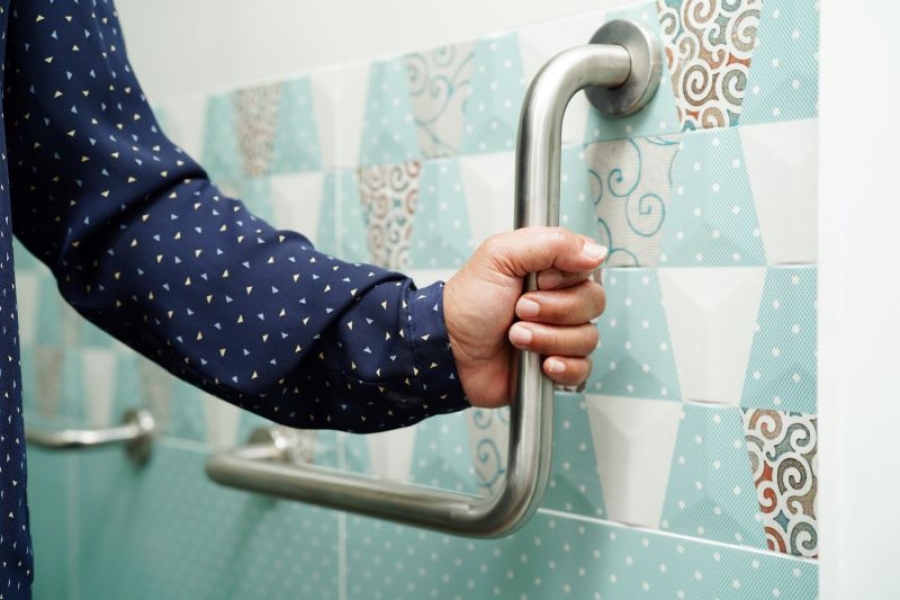
- Install grab bars near the toilet and in the shower. Properly anchored grab bars provide crucial support for balance and can help prevent falls during transfers.
- Raise the height of the toilet for easier use. A higher toilet seat reduces the strain on knees and hips when sitting down or standing up.
- Add a shower chair or built-in bench in the shower area. This provides a safe place to sit while showering, reducing fatigue and the risk of falling.
- Use non-slip mats both inside and outside the shower/tub. These mats provide traction on wet surfaces, significantly reducing the risk of slips and falls.
4. Kitchen Modifications
The kitchen should be both functional and safe for seniors. Consider these upgrades:
- Install pull-out shelves in cabinets for better accessibility. These shelves bring items to the front, eliminating the need to reach deep into cabinets.
- Replace knob-style faucets with lever handles. Lever handles are easier to operate for those with arthritis or limited hand strength.
- Add task lighting under cabinets to improve visibility. This targeted lighting makes food preparation safer and more comfortable by reducing shadows on work surfaces.
5. Staircase Safety
For multi-story homes, ensuring staircase safety is paramount. Implement these upgrades:
- Install sturdy handrails on both sides of the staircase. Dual handrails provide support for both hands, increasing stability and confidence when using stairs.
- Add non-slip treads to each step. These treads increase traction and make it easier to visually distinguish each step, reducing the risk of missteps.
- Ensure proper lighting throughout the stairwell. Well-lit stairs are crucial for safe navigation, especially for those with vision impairments.
- Consider installing a stairlift for those with mobility issues. A stairlift can provide independence for seniors who struggle with stairs, allowing them to safely access all levels of their home.
6. Wider Doorways and Hallways
To accommodate walkers or wheelchairs, widen doorways and hallways:
- Aim for a minimum width of 36 inches for doorways. This width comfortably accommodates most mobility aids and reduces the risk of bumping into door frames.
- Remove unnecessary doors to create more open spaces. This not only improves accessibility but can also make the home feel more spacious and easier to navigate.
- Install offset hinges to gain a few extra inches of clearance. These specialized hinges can add up to 2 inches of clearance without the need for major renovations.
7. Smart Home Technology
Embracing smart home technology can greatly enhance safety and convenience for seniors:
- Install smart thermostats for easy temperature control. These devices can be programmed or controlled remotely, ensuring a comfortable environment without constant manual adjustments.
- Use voice-activated assistants for hands-free control of lights and appliances. This technology can be particularly helpful for seniors with mobility issues or arthritis.
- Set up security cameras and video doorbells for added security. These devices provide peace of mind and allow seniors to monitor their home's surroundings without physical risk.
8. Improved Outdoor Spaces
Don't neglect the exterior of the home when making upgrades:
- Create a no-step entry to the house. This modification allows for easy access for wheelchairs and reduces tripping hazards for those with mobility issues.
- Install ramps where necessary. Ramps provide a safe alternative to stairs and should have a gentle slope with non-slip surfaces.
- Ensure proper lighting along walkways and the driveway. Good exterior lighting prevents accidents and enhances security during nighttime hours.
- Maintain a clutter-free, even path to the entrance. Regular maintenance of outdoor areas, including removing obstacles and repairing uneven surfaces, is crucial for safety.
9. Ergonomic Furniture
Comfortable and supportive furniture can make a big difference in daily life:
- Choose chairs and sofas with firm cushions and sturdy armrests. These features provide support when sitting down and standing up, reducing strain on joints and muscles.
- Opt for adjustable beds to ease getting in and out. Adjustable beds can also help with circulation and breathing issues by allowing for various sleeping positions.
- Use risers to elevate existing furniture if needed. This simple solution can make it easier for seniors to get up from chairs or sofas without replacing all their furniture.
- Install pull-out shelves in closets for easier access to belongings. These shelves bring items forward, reducing the need to reach or bend awkwardly.
Upgrading a home for senior living doesn't have to be an overwhelming task. By focusing on key areas such as bathroom safety with walk-in tubs for seniors, improved lighting, non-slip flooring, and smart home technology, you can create a living space that promotes independence, safety, and comfort. Remember, these upgrades not only benefit seniors but can also increase the overall value and functionality of the home for all residents.
When implementing these changes, it's essential to consult with healthcare professionals and certified aging-in-place specialists to ensure that the modifications meet the specific needs of the senior residents. With the right upgrades, seniors can enjoy their golden years in the comfort and familiarity of their own homes, maintaining their independence and quality of life for years to come.