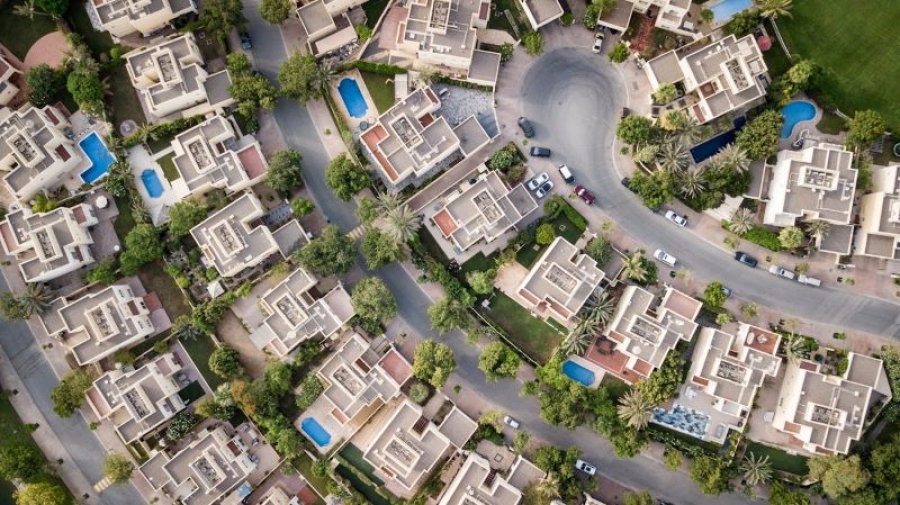
There are a myriad of things to think about when it comes to investing in a new property. Of course, if you are thinking of changing the living area and moving to another place, you won’t only consider having an attractive dining room to walk around with. Neighboring necessities for life and other facilities should also fit your concerns.
To have a comprehensive examination of several homes in the market, there is a long list of things to look into. From neighbourhood to interior layouts, you have to investigate numerous things. Sounds hectic, right? That is why we are here with a buyer’s checklist to make things easy for you.
In this article, we have penned down a number of things that you should prioritize when examining new property. If you follow it through and keep a record accordingly, things will become a lot easier. So, without further ado, let’s dive into the list of things you should look out for when viewing new homes.
1. Evaluate the Neighbourhood and Location
In real estate, location is crucial since it affects both your lifestyle and the investment's long-term worth. When looking at a house, consider how close it is to important facilities like public transportation, grocery stores, schools and hospitals. Think over the local atmosphere and if it suits your tastes—do you want a busy neighborhood or a more sedate home setting?
Get a sense of the neighborhood's traffic patterns and noise levels by exploring it at various times of day. This will provide you with a comprehensive view of what life would be like on a daily basis if you relocate there.
2. Examine the Outside of the House
The façade of the house makes the initial impression and is a major factor in its allure. Look for indications of structural integrity, such as holes in the siding, peeling paint, or foundation fractures. Additionally, check the roof for any wear indicators that can point to leaks, including missing shingles or stains.
Take into account the property's level of maintenance when evaluating its exterior. The homeowner's attention to detail is typically reflected in the property's well-kept exterior. Real estate photography in Gold Coast may be an invaluable resource for obtaining a clear visual image of the property, highlighting any distinctive architectural features, and exhibiting details.
3. Look Closely at the Foundation
Look beyond cosmetic details to assess the home’s structural integrity. Cracks in walls, uneven floors, and misaligned doors and windows can hint at deeper foundation issues. Checking the basement or crawl spaces for any signs of moisture or cracks can reveal potential problems that may become costly in the future.
Structural soundness is crucial, as a strong foundation ensures that your investment is safe and secure. If possible, have an expert accompany you to get a thorough evaluation of the structural aspects before making a final decision.
4. Assess Windows and Doors
Windows and doors play a significant role in a home’s energy efficiency and security. When viewing a property, check for signs of drafts around windows or doors, as these can lead to higher utility bills. Windows that stick or are difficult to open may need replacement.
Double-glazed windows are especially valuable in regions with variable temperatures, as they help regulate the indoor climate, reducing heating and cooling costs. Properly insulated windows and doors also contribute to a quieter indoor environment by blocking out external noise.
5. Judge the Interior Layout and Space
The layout and flow of a home should match your lifestyle. Think about how you use your space daily and whether the home’s layout will support that. For instance, if you enjoy cooking and hosting, a spacious kitchen and a dining area may be essential. If you work from home, having a dedicated office space or quiet nook could be beneficial.
Consider the bedroom placements too; having them near or far from each other can impact privacy or convenience, depending on your household’s needs. Ensuring the home’s layout aligns with your lifestyle will make your new home functional and comfortable.
6. Observe Bathroom and Plumbing
Bathrooms are high-traffic spaces, so their condition is crucial. Check for signs of water damage around the shower, tub, and toilet. Mold or mildew stains can indicate poor ventilation or underlying water issues.
Test the water pressure in the shower and taps to ensure it meets your preferences. Assessing plumbing goes beyond sinks and faucets; inquire about the water heater’s age and condition, as this affects water temperature consistency and energy costs.
7. Verify Electrical and Safety Features
When assessing a home, safety should be a top priority. Ask about the electrical system’s condition, including the age of the wiring, outlets, and circuit breakers. Test light switches to ensure they function correctly, and check for adequate power outlets throughout the home.
Smoke detectors and carbon monoxide detectors are essential safety features, so ensure they are installed and operational. Older homes may need upgrades to meet modern safety standards, which is a factor to consider for budgeting.
8. Observe Natural Lighting and Ventilation
Good natural light can improve the mood and energy of a space, so take note of window placements and any obstructing structures outside. Ventilation is also key, particularly in areas prone to humidity. In regions like Gold Coast, where homes are often designed to showcase views and outdoor lifestyles, natural light can be a significant advantage. Professional real estate photography in Gold Coast often highlights these features, so imagine how the home will look during different times of the day.
9. Inspect the Basement and Attic
Both the attic and basement provide valuable insights into a property’s condition. In the attic, check for any signs of water leaks, insulation levels, and ventilation. A well-insulated attic can contribute to lower heating and cooling costs, while adequate ventilation helps prevent mold and moisture buildup.
In the basement, look for cracks in the walls, foundation shifts, or any signs of water damage, as these could indicate potential structural problems. A dry, well-maintained basement is a good sign of a structurally sound home.
10. Pay Attention to Outdoor Spaces
If the home has outdoor spaces, evaluate them based on your preferences. A yard, garden, or patio area adds value and can be a major selling point if it’s in good condition. Look for signs of maintenance in landscaping, such as trimmed bushes, mowed lawns, and healthy plants.
Outdoor spaces can enhance your living experience, especially if you enjoy entertaining guests or gardening. Consider the property’s overall curb appeal and examine the landscape's true potential.
11. Think About Heating and Cooling Systems
Understanding a home’s heating and cooling systems is important for comfort and efficiency. Ask about the age of the HVAC system, as older systems may need frequent maintenance or eventual replacement. Check the thermostat and vents to confirm they work correctly and inspect for any signs of rust or leakage around units.
An efficient HVAC system not only keeps the temperature comfortable but also reduces energy bills, making it a key consideration for long-term savings.
Remember to Document Key Features
It can be easy to forget details after viewing multiple homes. Take notes, pictures, and even short videos if allowed to document aspects you love or questions you want to ask. Then follow through this checklist for each home and figure out which house ticks all (or majority) of these important points. Additionally, you can put your aesthetic preferences forward. All of these documented and noted points will help you make a swift decision that will turn out to be the best for you!
Final Thoughts
Buying a home is an exciting journey, but careful inspection is crucial to making an informed decision. Use this checklist as a guide when viewing homes to help identify areas that may require attention or improvement. While cosmetic fixes are usually manageable, structural issues, outdated systems, or water damage can lead to significant expenses.
Ultimately, the goal is to find a home that not only meets your needs and preferences but also represents a sound financial investment. Partnering with experts with SkyVisuals for real estate photography in Gold Coast can be beneficial to visualize the property’s full potential, allowing you to appreciate the home’s features and aesthetic value fully. Taking the time to assess every detail will ensure that you make a confident, informed decision on one of life’s most significant investments.