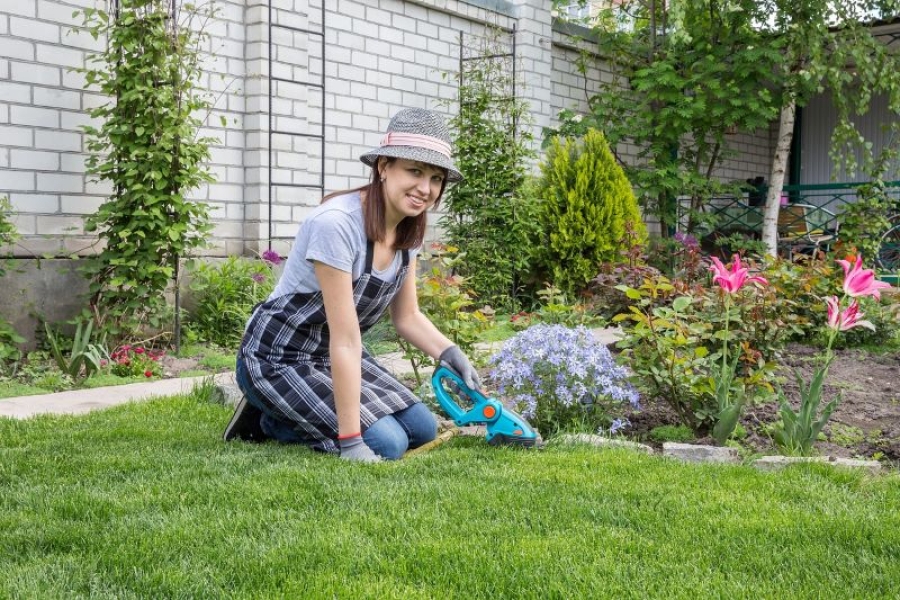
Singaporean gardeners often face a myriad of myths that can hinder their gardening success. You may have heard that certain plants are too challenging to grow in our tropical climate or that specific gardening practices yield poor results. In this blog post, we'll debunk common misconceptions that surround gardening in Singapore, equipping you with accurate information and proven techniques to boost your gardening skills. Whether you're a seasoned green thumb or just starting, understanding the truth behind these myths will help you cultivate a thriving garden that flourishes throughout the year.
Common Gardening Myths in Singapore
While gardening can be a rewarding hobby, many Singaporeans fall prey to common myths that can hinder their success. Understanding the truth behind these misconceptions is necessary for nurturing a thriving garden in this unique tropical climate. Let's debunk some of the most prevalent myths affecting local gardeners.
Myth 1: All Plants Need Full Sun
Against this belief, many plants thrive in partial shade or even low-light conditions. In Singapore's tropical environment, where humidity and heat are prevalent, certain plants may actually prefer filtered sunlight. By selecting the right plants for your space, you can achieve a lush garden without exposing all your plants to direct sunlight.
Myth 2: You Can't Garden Without a Backyard
On the contrary, urban gardening is entirely feasible even in the absence of a traditional backyard. With the right techniques and creativity, you can transform balconies, windowsills, and even kitchen countertops into productive green spaces. Vertical gardening, container gardening, and hydroponics offer fantastic solutions for maximizing limited space.
Garden enthusiasts living in apartments or HDBs can utilize vertical gardening techniques to fit plants into available wall space, making it possible to cultivate herbs, flowers, and even vegetables right at home. This approach helps you optimize your area while enhancing aesthetics. Moreover, container gardening offers flexibility, allowing you to move pots around while ensuring your plants receive appropriate light and care.
Understanding Soil and Fertilization
Any gardener in Singapore must grasp the importance of soil health and the role of fertilization. The right soil composition supports plant growth by providing vital nutrients and allowing proper drainage. Fertilization, when done correctly, boosts the natural nutrient levels in your soil, ensuring your plants thrive. Knowing how to test and amend your soil can lead to a flourishing garden that stands the test of time.
Myth 3: More Fertilizer Means Better Growth
Behind this misconception lies the assumption that an abundance of nutrients accelerates growth. However, over-fertilization can be detrimental, resulting in nutrient burn or imbalanced growth. It's vital to follow recommended dosage guidelines, as excess fertilizer can lead to unhealthy plants and environmental harm.
Myth 4: Soil Isn't Important in Container Gardening
Beside the common belief that any soil can work in containers, understanding that quality soil is fundamental for successful container gardening is important. Using the right mix enhances drainage, nutrient retention, and aeration, which are vital for healthy root systems.
It is tempting to underestimate the importance of soil in container gardening, but the reality is that the right soil composition directly impacts your plants’ success. Container soil should have good drainage combined with moisture retention capabilities. Pre-packaged potting mixes often include organic matter, which not only feeds the plants but also improves the soil structure. Ensuring you choose the right blend will lead to stronger plants with robust growth in your container garden.
Watering Practices Explored
There’s a lot to consider when it comes to watering your plants, and understanding the best practices can make a significant difference in your garden's health. Whether you’re nurturing potted plants on your balcony or maintaining a lush garden, the timing and method of watering can greatly impact plant growth. Proper watering techniques can prevent common issues like root rot and ensure your plants receive the hydration they need to thrive in Singapore’s tropical climate.
Myth 5: Watering at Night is Best
Practices like watering your plants at night may sound beneficial, but it can lead to the growth of mold and pests due to the prolonged moisture on foliage. While it’s true that nighttime watering can limit evaporation, the risk of standing water can outweigh the benefits. Instead, aim to water your plants in the early morning or late afternoon when temperatures are cooler and evaporation is minimized.
Myth 6: You Can't Overwater Houseplants
Across many gardening communities, there’s a belief that houseplants are resilient and can’t be overwatered. This misconception can lead to significant problems. It’s necessary to understand that too much water can suffocate the roots, leading to root rot and bacterial diseases. Each plant species has specific watering needs, and monitoring your soil's moisture is key to maintaining its health.
This misunderstanding about houseplants may stem from their ability to recover quickly from mild neglect, making it seem like they can handle excessive water. However, consistently oversaturating the soil can deprive the roots of oxygen, ultimately harming your plant. Make it a habit to check the moisture level in the soil before watering, and adjust your routine based on the unique needs of each plant in your collection.
Pest Management Misconceptions
Your approach to pest management can significantly impact the health of your garden. Many Singaporean gardeners, driven by well-intentioned misconceptions, often fall victim to ineffective methods or unnecessary panic regarding pest infestations. Understanding the realities behind common pest-related myths can empower you to maintain a thriving garden without compromising its ecological balance.
Myth 7: All Bugs are Bad for Gardens
Against popular belief, not all bugs are detrimental to your garden. In fact, many insects play vital roles in pollination and pest control. Beneficial bugs such as ladybugs and lacewings help manage aphid populations and other pests naturally, while also contributing to plant reproduction. By fostering a diverse ecosystem in your garden, you can reduce pest problems while promoting a vibrant horticultural environment.
Myth 8: Organic Pesticides are Always Safe
With the growing popularity of organic gardening, there is a common misunderstanding that all organic pesticides are safe to use without restrictions. While these products are derived from natural sources, they can still pose risks to beneficial insects, aquatic life, and even human health if misapplied. Proper education and adherence to application guidelines are necessary to ensure your environmentally friendly choices do not inadvertently harm your garden’s ecosystem.
Also, consider that just because a pesticide is labeled as organic does not guarantee its safety. Many organic compounds can still be harmful if used improperly or in excessive amounts. Educating yourself about the specific ingredients and their effects is critical. It’s important to apply your chosen organic pesticides thoughtfully, targeting specific pests while minimizing impact on beneficial organisms. This balanced approach will help you maintain a healthy, sustainable garden while effectively managing pest populations.
Seasonal Gardening Beliefs
After living in a tropical climate like Singapore, you may believe that certain gardening practices are dictated strictly by the seasons. However, the unique weather conditions here provide you with a more flexible gardening environment, allowing for year-round cultivation of various plants. Understanding these misconceptions can significantly enhance your gardening experience and success.
Myth 9: Plants Only Grow During Wet Season
The notion that plants can only thrive during the wet season in Singapore is a common myth that limits your gardening potential. Many plants, including succulents and herbs, can withstand the dry season if properly cared for, ensuring that your garden remains vibrant all year round.
Myth 10: Cold Weather Halts Garden Growth
Grow your understanding that even in slightly cooler conditions, growth can still occur. While some plants may slow their growth rate, many tropical varieties adapt and continue to flourish, ensuring your garden's vitality does not come to a standstill.
This adaptability highlights the resilience of plants and your ability to cultivate a thriving garden despite cooler spells. Factors such as adequate watering and proper soil management can keep your plants thriving, even when temperatures drop slightly. By adjusting your care routine during these times, you can maximize growth and maintain a beautiful garden in Singapore’s unique climate.
Native Plants vs. Non-Native Plants
Now, understanding the difference between native and non-native plants is imperative for any gardener in Singapore. Native plants are adapted to the local environment and offer benefits such as supporting local wildlife and requiring less water. Non-native plants, on the other hand, can thrive in various conditions and may bring unique aesthetics to your garden. However, knowing which plants suit your needs is key to successful gardening.
Myth 11: Non-Native Plants Are Always Problematic
Before dismissing non-native plants as a menace, consider that many can coexist harmoniously in your garden. Although some non-native species may become invasive, most do not pose a threat if managed properly. They can enhance biodiversity, provide visual interest, and thrive in Singapore's tropical climate if you choose wisely.
Myth 12: Native Plants Don't Need Maintenance
Along with believing that native plants require zero care, it’s important to recognize that all plants need some level of maintenance to thrive in your garden.
To ensure your native plants flourish, you’ll still need to participate in regular maintenance practices, including watering, pruning, and pest management. Even though these plants are more suited to the local climate and soil, they may still face challenges like competition from weeds or changing weather patterns. A proactive approach will not only enhance their growth but also keep your garden looking its best at Lentor Central Residences.
To wrap up
To wrap up, understanding the realities of gardening in Singapore enables you to cultivate a thriving garden with greater confidence. By debunking common myths, you empower yourself to make informed decisions about plant selection, care techniques, and environmental factors. Armed with this knowledge, you can achieve a vibrant garden that not only enhances your living space but also promotes sustainable practices. Embrace your gardening journey with these insights, and watch your green thumb flourish.