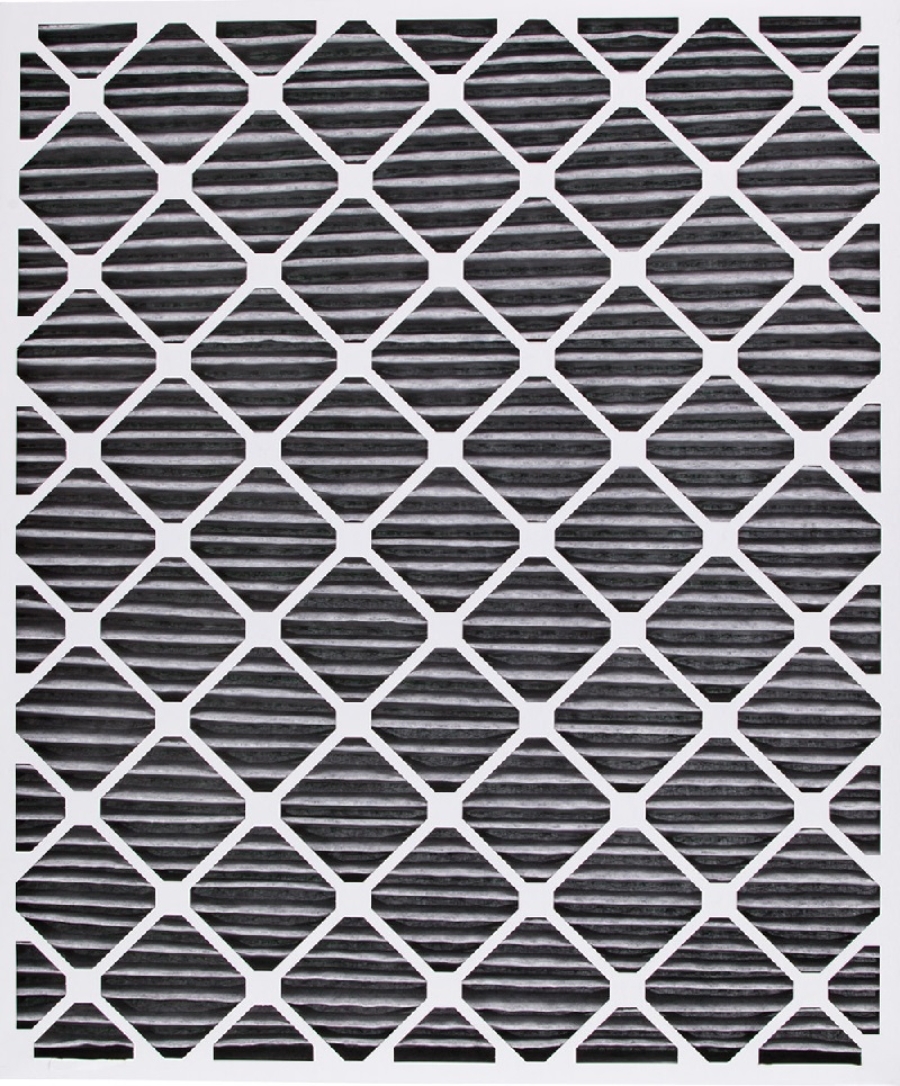
Your home should be a sanctuary—a place where your family feels safe, comfortable, and healthy—but have you considered the air filter in your HVAC system? Dust, pollen, and pet dander can build up indoors, affecting air quality and potentially your health. While HEPA filters get a lot of attention for capturing tiny particles, they’re not always necessary. Non-HEPA air filters offer an affordable and effective way to keep your indoor air fresh. Let’s explore what they are, how they work, and why they might be the perfect fit for your home.
Why Air Quality Matters for Families
When you think about keeping your family healthy, air quality probably isn’t the first thing that comes to mind—but it should be. The air inside your home plays a huge role in your family’s overall well-being. After all, it’s where you spend most of your time, whether it’s family movie nights, weekend baking sessions, or just relaxing after a long day.
Indoor air is often filled with invisible particles that can irritate your lungs, trigger allergies, or even impact sleep quality. Things like dust, pollen, mold spores, and pet dander can quietly float around, especially if your home doesn’t have a solid filtration system in place. And if you have little ones, elderly family members, or anyone with allergies or asthma, clean air becomes even more important.
Air filters act as a first line of defense, catching those pesky particles before they circulate through your home. While you may not see what they’re doing behind the scenes, their impact is real—and choosing the right filter can make a noticeable difference in how your home feels. When your air is clean, your family breathes easier, sleeps better, and stays healthier. Isn’t that worth it?
Understanding Non-HEPA Air Filters
Non-HEPA air filters might not have the same buzzworthy reputation as HEPA filters, but don’t let that fool you—they’re still a solid choice for many homes. These filters come in a variety of types, each designed to tackle common household pollutants while keeping your HVAC system running smoothly.
Here’s a quick breakdown of the most common types:
• Fiberglass Filters: These are the most basic and affordable option. They’re designed to trap larger particles like dust and lint, helping to protect your HVAC system. While they’re not the best for improving air quality, they’re a decent choice if your main goal is system protection.
• Pleated Filters: Made from folded cotton or polyester, pleated filters provide a significant upgrade over fiberglass. The pleated design creates more surface area to catch particles like mold spores, pet dander, and pollen. They’re a great option for families with pets or allergy sufferers.
• Electrostatic Filters: These filters use self-charging fibers to attract and capture particles. They’re often washable and reusable, making them an eco-friendly choice. However, they require regular cleaning to maintain their efficiency.
Each of these filters has its own strengths, and the best choice depends on your family’s specific needs. For instance, if you have pets or someone with mild allergies in the house, a pleated filter with a higher MERV rating could be a perfect fit. And while these filters won’t capture ultra-fine particles like HEPA filters can, they’re still effective at keeping the air in your home noticeably cleaner.
Are Non-HEPA Filters Good Enough for Your Family?
When it comes to non-HEPA filters, the question most families ask is, “Are they good enough?” The short answer: for many homes, yes! Non-HEPA filters can offer a practical, cost-effective solution to improving indoor air quality without the extra expense or system adjustments required for HEPA filters.
Here’s why they’re often a great choice:
• They Capture the Common Culprits: Non-HEPA filters, especially pleated ones, are excellent at catching everyday allergens like dust, pet hair, and pollen. While they may not trap ultra-tiny particles like viruses, they handle the bulk of what’s floating around in most homes.
• They Balance Efficiency and Airflow: One concern with ultra-high-efficiency filters like HEPA is that they can restrict airflow in your HVAC system, potentially overworking it. Non-HEPA filters strike a good balance, providing effective filtration while keeping your system running smoothly.
• They’re Affordable: Let’s face it—family budgets are a juggling act. Non-HEPA filters are typically more affordable than HEPA filters, and with options like washable electrostatic filters, you can even save money over time.
That said, it’s important to consider your family’s specific needs. If you live in an area with high pollution or have family members with severe allergies or respiratory conditions, you may want to look into supplementary solutions like portable air purifiers with HEPA filters. But for most households, a well-chosen non-HEPA filter is more than capable of maintaining healthy air.
Tips for Choosing and Maintaining Non-HEPA Filters
Keeping your home’s air clean with non-HEPA filters isn’t just about installing one and forgetting it. Choosing the right filter for your family’s needs and maintaining it properly can make a significant difference in your home’s air quality and your HVAC system’s efficiency. Let’s break this down into actionable steps.
Choose the Right Filter for Your Family
The type of filter you choose will directly impact how well it works for your home. Here’s what to look for:
• Understand MERV Ratings: The MERV (Minimum Efficiency Reporting Value) rating tells you how effective a filter is at trapping particles. For families, a filter with a MERV rating between 8 and 13 is usually the sweet spot. Filters on the lower end will trap common particles like dust and pollen, while higher MERV-rated filters can handle finer particles like pet dander and mold spores. However, going too high can restrict airflow, so balance is key.
• Consider Special Needs: If you have a pet-friendly household, look for filters specifically labeled for pet hair and dander. Similarly, allergy-prone families might benefit from filters designed to trap allergens. For families sensitive to odors, such as from cooking or smoking, pleated carbon filters are a great choice, as they can absorb odors and VOCs (volatile organic compounds) along with particles.
• Get the Right Size: This might seem obvious, but it’s easy to overlook. Filters come in various dimensions, and using the wrong size can leave gaps, allowing particles to bypass the filter entirely. Check your HVAC system’s specifications or measure the current filter to ensure a perfect fit.
Maintain Your Filters for Peak Performance
Once you’ve chosen the right filter, proper maintenance is crucial to ensure it continues to work effectively. Here’s how to stay on top of it:
• Replace Filters Regularly: A clean filter can trap particles effectively, but a dirty one can do more harm than good by reducing airflow and making your HVAC system work harder. For most households, replacing your filter every 1 to 3 months is ideal. If you have pets, live in a dusty area, or run your HVAC system frequently, you may need to change it monthly.
• Inspect Filters Often: Even if it hasn’t been a full month, it’s a good idea to check your filter periodically. Look for signs of clogging, such as visible dust, discoloration, or restricted airflow. This is especially important during seasons when your system works harder, like summer or winter.
• Don’t Forget Washable Filters: If you’re using an electrostatic filter, rinse it with lukewarm water to remove trapped particles. Avoid harsh detergents, and always let the filter dry completely before reinstalling it. A wet filter can grow mold, which defeats the purpose of having one in the first place.
Keep Your HVAC System in Good Shape
Your air filter is just one part of a larger system. Keeping your HVAC system clean and functional can enhance the effectiveness of your filter:
• Schedule Regular Tune-Ups: Have a professional service your HVAC system at least once a year. They can clean internal components, check for issues, and ensure the system is running efficiently.
• Clean Vents and Ducts: Dust and debris can accumulate in your vents and ducts over time. Cleaning these areas can prevent particles from circulating and give your filter an easier job.
• Don’t Block Airflow: Make sure nothing is obstructing your HVAC vents, such as furniture or curtains. Proper airflow allows your filter to work as intended and helps maintain consistent air quality.
By choosing the right filter, sticking to a maintenance routine, and taking care of your HVAC system, you can maximize the benefits of non-HEPA filters for your family. These steps may seem small, but they can have a big impact on your home’s comfort and health.
Non-HEPA Filters—A Practical Choice for Families
Choosing the right air filter and maintaining it properly is an investment in your family's health, ensuring everyone can breathe easier. Every home is unique, so if you're unsure which filter is best, consult an HVAC professional for guidance. Clean air isn’t a luxury—it’s a necessity, and non-HEPA filters offer an effective, budget-friendly solution. Take the first step toward better air quality and make your home the safe, welcoming space it’s meant to be.