Have you ever dealt with warped floors or stubborn water stains?
Choosing the right waterproof flooring can save you from costly repairs and endless frustration. Whether you're renovating your kitchen, bathroom, or basement, you need a flooring option that looks great and lasts.
With so many choices available, it can be hard to know where to start. This guide will help you find the best waterproof flooring for your home-one that fits your style, budget, and lifestyle.
Factors to Consider When Choosing Waterproof Flooring
When choosing waterproof flooring, several factors should influence your decision to ensure you get the best fit for your space and needs. Here are the key considerations:
Moisture Resistance
Waterproof flooring prevents water damage. It does not allow moisture to seep through the material. This helps protect the subfloor and increases durability.
Choosing flooring with high moisture resistance is important for areas exposed to water. Kitchens, bathrooms, and basements need surfaces that can handle spills and humidity. Proper installation and sealing improve the floor's resistance.
Durability
Durable flooring lasts a long time without damage. It resists scratches, dents, and wear from foot traffic. Waterproof floors maintain their strength even in wet conditions.
Materials like vinyl, tile, and rubber offer strong durability. Choosing a high-quality option ensures fewer repairs over time.
Ease of Maintenance
Waterproof floors are easy to clean. They do not absorb spills, making them resistant to stains. Simple sweeping and mopping keep them looking good.
Low-maintenance options save time and effort. Choosing a surface that does not need special treatments makes upkeep easier.
Style and Aesthetic
Waterproof flooring comes in many designs. It can mimic wood, stone, or other natural materials. Different colors and patterns fit various home styles.
Selecting the right style improves the look of a space. The right design creates a comfortable and appealing atmosphere.
Installation Method
Different flooring types have different installation processes. Some options use a click-lock system, while others need glue or nails. Proper installation ensures a secure and long-lasting fit.
DIY-friendly floors reduce labor costs. Hiring a professional helps avoid mistakes and ensures correct placement.
Comfort and Sound
Waterproof flooring varies in softness underfoot. Some materials have cushioning, while others feel hard. Sound absorption also differs between flooring types.
Underlayment improves comfort and reduces noise. Choosing the right material enhances the overall feel of a room.
Cost
Waterproof flooring prices range from budget-friendly to high-end. The total cost includes materials, installation, and maintenance. Some options are more affordable than others.
Setting a budget helps narrow down choices. Comparing prices ensures the best value for the investment.
Environmental Impact
Some waterproof flooring is made from eco-friendly materials. Recycled content and low-VOC options reduce environmental harm. Manufacturing processes also affect sustainability.
Choosing green-certified flooring supports environmental responsibility. Checking product labels helps identify sustainable choices.
Comfort Underfoot
Different waterproof floors have different levels of comfort. Some feel softer due to built-in padding. Others are firm and less forgiving on the feet.
Adding rugs or underlayment improves comfort. Selecting the right material creates a more pleasant walking surface.
Top Waterproof Flooring Options
If you're looking for waterproof flooring options, here are the best choices based on durability, style, and budget:
Luxury Vinyl Plank (LVP) & Luxury Vinyl Tile (LVT)
Luxury vinyl plank (LVP) and luxury vinyl tile (LVT) are waterproof flooring options. They are made from multiple layers, including a wear layer, a design layer, and a rigid or flexible core. These floors are available in a variety of styles that mimic wood, stone, and ceramic.
Many high-quality LVP and LVT options are available from reputable brands. A popular choice is Adura Max vinyl at Znet, known for its durability, waterproof construction, and realistic designs. It is easy to install and provides a long-lasting flooring solution for moisture-prone areas.
Porcelain & Ceramic Tile
Porcelain and ceramic tiles are durable and water-resistant flooring materials. Porcelain is denser and less porous than ceramic, making it more resistant to moisture. Both options come in a variety of colors, patterns, and textures for different design preferences.
These tiles require grout, which should be sealed to prevent water absorption. They are best for high-moisture areas like bathrooms, kitchens, and laundry rooms.
Waterproof Laminate Flooring
Waterproof laminate flooring is designed to resist water and moisture. It has a core layer that repels water, preventing damage from spills. The surface layer mimics natural wood while offering increased durability.
It is easy to install using a floating floor system with click-lock planks. It is best for areas that need water resistance without sacrificing style.
Engineered Vinyl Plank (EVP)
Engineered vinyl plank (EVP) is a type of luxury vinyl flooring with a rigid core. The core is made from a stone-plastic or wood-plastic composite for extra strength. The top layer has a realistic wood or stone design with a protective wear layer.
EVP is completely waterproof and highly durable in high-traffic areas. It is ideal for moisture-prone spaces like basements and kitchens.
Rubber Flooring
Rubber flooring is made from synthetic or natural rubber materials. It is highly water-resistant and provides cushioning underfoot. This flooring is durable and slip-resistant, making it ideal for safety-focused areas.
It is easy to clean and requires minimal maintenance. It is commonly used in home gyms, basements, and playrooms.
Concrete with Waterproof Sealant
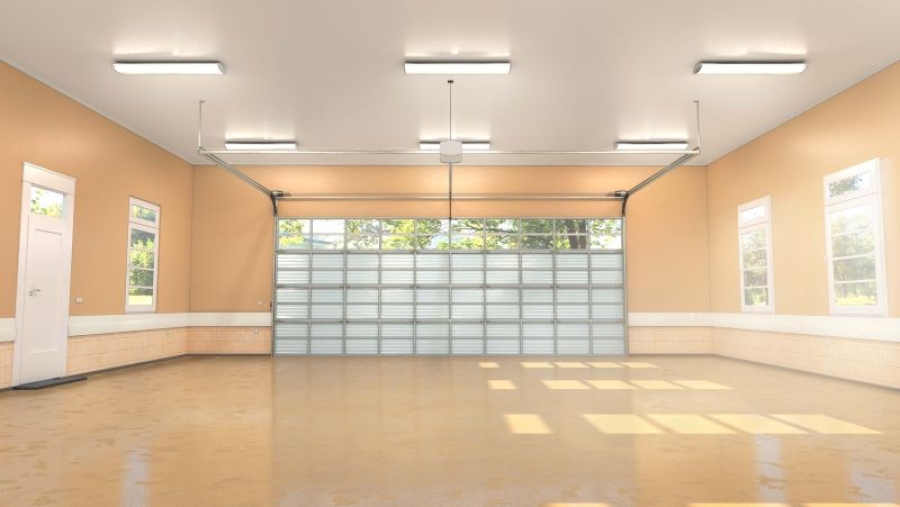
Concrete flooring with a waterproof sealant is resistant to water and moisture damage. It is strong, long-lasting, and suitable for both indoor and outdoor use. The sealant prevents water from seeping into the surface, reducing wear over time.
It requires occasional resealing to maintain its protective barrier. It is often used in garages, basements, and modern home designs.
Comparison of Waterproof Flooring Options
Waterproof flooring is a practical choice for homes that need protection against moisture and spills. Different materials offer varying levels of cost, durability, and aesthetic appeal.
Cost Comparison
Waterproof flooring options have different price ranges. Luxury vinyl and laminate are usually more affordable than natural stone or engineered wood. Porcelain tile falls in the middle range, depending on the quality and design.
Installation costs vary based on the material and method used. Some options, like vinyl planks, are easier for DIY installation, reducing labor costs. Others, like stone or tile, require professional installation, which adds to the total expense.
Durability Comparison
Waterproof flooring materials are designed to resist moisture and wear. Vinyl and porcelain tile are among the most durable choices for high-traffic areas. Laminate and engineered wood have improved resistance but may not last as long in wet conditions.
Regular maintenance helps extend the lifespan of these floors. Some materials require sealing or refinishing, while others only need routine cleaning to maintain their durability.
Aesthetic Comparison
Waterproof flooring comes in a variety of styles and finishes. Luxury vinyl and laminate can replicate wood and stone looks with realistic textures. Natural stone and porcelain tiles offer unique patterns and color variations.
Some options have a matte or glossy finish to match different interior designs. The choice of color, texture, and format can create a modern, rustic, or traditional appearance.
Tips for Installing Waterproof Flooring
Installing waterproof flooring can be a straightforward DIY project or a professional job, depending on the material. Here are some key tips to ensure a smooth installation:
Prepare the Subfloor
The subfloor must be clean, dry, and level before installing waterproof flooring. Dirt, dust, and moisture can cause problems with adhesion or stability. Use a self-leveling compound if the surface is uneven.
Acclimate the Flooring
Waterproof flooring needs time to adjust to room temperature and humidity. Let the flooring sit in the installation area for at least 24 to 48 hours. This helps prevent expansion or contraction after installation.
Use the Right Underlayment
Some types of waterproof flooring require an underlayment for extra support. Underlayment can provide cushioning, noise reduction, and moisture protection. A moisture barrier is needed for concrete subfloors to prevent dampness.
Leave Expansion Gaps
All flooring expands and contracts with temperature changes. Leave a small gap around walls, cabinets, and fixed objects to allow movement. Use spacers to ensure gaps are even throughout the installation.
Follow Proper Installation Methods
Different waterproof flooring types have specific installation methods. Some have a click-lock system, while others require glue or mortar. Always follow the manufacturer's guidelines for the best results.
Seal the Edges
Sealing the edges helps prevent water from seeping underneath the flooring. Apply a waterproof silicone sealant in wet areas like bathrooms and kitchens. This adds extra protection against moisture damage.
Maintain Proper Care
Regular cleaning helps keep waterproof flooring in good condition. Wipe up spills quickly and use furniture pads to prevent scratches. Sweep or vacuum often to remove dirt and debris.
Flooring That Fights Water and Stands the Test of Time
Your home deserves flooring that can handle everyday messes without worry. Whether it's spills, pet accidents, or moisture buildup, the right waterproof flooring keeps your space looking fresh and clean. Investing in durable, stylish, and easy-to-maintain floors will make your home more comfortable and stress-free.
No one wants to replace their floors often, so choosing wisely now will save you time and money in the long run. Pick a flooring option that matches your needs, and enjoy a home that's both beautiful and practical.
Did you find the information in this article helpful? If so, be sure to check out our blog for more valuable resources.