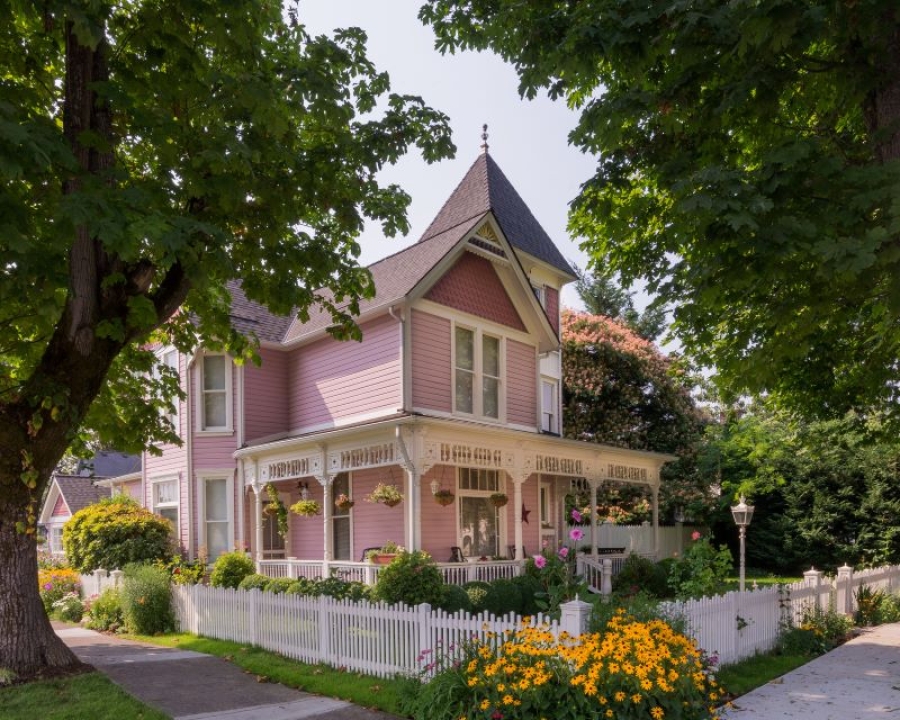
There’s something undeniably captivating about historic homes; Their timeless architecture, rich backstories, and sense of character set them apart from modern builds. Whether it’s a Victorian with intricate woodwork or a Craftsman bungalow with handcrafted details, these properties offer more than just a place to live—they offer a chance to own a piece of history.
But buying a historic home isn’t quite like purchasing a newer property. It comes with its own set of unique considerations, from legal designations and preservation guidelines to renovation restrictions and unexpected maintenance costs. In this guide, we’ll walk you through everything you need to know before leaping into historic homeownership—so you can preserve the past while planning for the future.
Defining a Historic Home
Before jumping into the logistics of buying, it’s important to understand what truly qualifies a property as a “historic home.” While age is certainly a factor, most historic homes are at least 50 years old—it’s not the only criterion. A home is generally considered historic if it meets certain standards related to architectural style, historical significance, or association with important events or figures.
In many cases, a property must be listed on the National Register of Historic Places or designated by a local historic commission to receive official recognition. These homes often showcase distinct architectural styles such as Colonial Revival, Queen Anne, or Mid-Century Modern, and they may represent an important period in a community’s development.
It’s also worth noting that not all old homes are classified as historic. A house built in the early 1900s may be considered “vintage” or “antique.” Still, unless it has been preserved for its cultural, architectural, or historical importance, it may not fall under the same regulatory umbrella as a genuine historic property.
Benefits of Purchasing a Historic Home
Buying a historic home isn’t just about owning a unique piece of property—it’s about embracing a lifestyle that values craftsmanship, character, and community heritage. Here are some of the key benefits that draw buyers to these timeless treasures:
1. Architectural Charm and Unique Design:
Historic homes often feature exquisite details that are hard to find in modern construction, such as hand-carved moldings, original hardwood floors, stained glass windows, and built-in cabinetry, to name a few. Each home tells a story, and no two are exactly alike.
2. Financial Incentives:
Depending on your location and the home's designation, you may qualify for financial perks such as federal or state tax credits, grants, or local incentives to help offset renovation and preservation costs. These programs are designed to encourage the upkeep of historic properties and can significantly reduce your expenses.
3. Cultural and Historical Value:
By purchasing a historic home, you contribute to preserving your community’s history. Many owners take pride in maintaining their property's legacy and sharing its story with future generations.
4. Potential for Increased Property Value:
With the proper care and investment, historic homes can appreciate over time, especially in well-established neighborhoods where character and charm are highly sought after. A well-maintained historic property can stand out in the market and command premium prices.
Challenges and Considerations
While the romance of owning a historic home is undeniable, it’s important to approach the purchase with open eyes. These homes present unique challenges that may not arise with newer properties, and understanding these factors upfront can help you make a confident and informed decision.
One of the most common issues with historic homes is the level of maintenance and restoration they often require. Outdated systems such as knob-and-tube wiring or cast iron plumbing may need to be completely replaced. In many cases, the original materials used in the construction are no longer readily available, which can make repairs more costly and time-consuming. As a result, buyers should expect to budget not only for regular upkeep but also for unexpected repairs that come with the property's age and complexity.
In addition, homes located in designated historic districts or listed on preservation registers are usually subject to strict regulations. These rules often govern what changes can be made to the property’s exterior and sometimes interior to ensure the home retains its historical integrity. This means that even minor renovations might require approval from a local historic commission, and homeowners may be obligated to use specific materials or techniques, even if they are more expensive than modern alternatives.
Insurance and financing can also present challenges. Historic homes typically come with higher insurance premiums due to the increased cost of repairs and the value of their original features. Additionally, not all lenders are comfortable financing properties that need significant restoration, so buyers may need to seek out specialists in historic home loans or renovation financing options.
Finally, structural and safety concerns are more common in older homes. Problems such as foundation settling, outdated electrical systems, lead paint, or asbestos insulation can pose health and safety risks if not addressed properly. Because of these risks, it’s crucial to have a detailed inspection performed by professionals who are familiar with historic buildings and know what red flags to look for.
Financial Aspects
Buying a historic home can be more expensive than buying a typical property, so it’s important to plan ahead. Restoration and maintenance often require specialized materials and skilled labor, which can quickly drive up expenses. Even seemingly minor repairs, like fixing original windows or updating aging systems, can add up.
However, there are potential financial perks. Many local, state, and federal programs offer tax credits, grants, or reduced property taxes for restoring and maintaining historic homes. These incentives can ease the financial burden, though they often come with strict renovation guidelines.
Insurance can also be more expensive due to the higher cost of repairing historic features. You may need a specialized policy to ensure full coverage, so be prepared to explore different providers. However, with thoughtful budgeting and awareness of these factors, the financial side of owning a historic home can be manageable and ultimately worthwhile.
Navigating Restoration and Renovation
Restoring a historic home is often a labor of love. While the goal is to preserve its original charm, modern homeowners also want comfort, safety, and functionality. The key is finding a balance between maintaining historical integrity and updating the space to meet modern standards.
Start by identifying elements essential to the home’s historical character. These might include original woodwork, windows, flooring, or unique architectural features. These details are worth preserving or carefully restoring. At the same time, areas like kitchens, bathrooms, and electrical systems may need thoughtful upgrades to make the home livable and efficient.
When hiring help, it is best to work with contractors who have experience with historic properties. These professionals understand the techniques and materials needed to maintain authenticity, and they are often familiar with local regulations and preservation guidelines.
Keep in mind that any changes to the exterior or other visible features may require approval from a preservation board, especially if the home is located in a protected district. Planning ahead and allowing time for the approval process is essential.
Restoring a historic home can be incredibly rewarding. With the right team and a clear vision, it offers a chance to breathe new life into a piece of history while creating a space that works for modern living.
Conclusion
Buying a historic home is a unique journey that blends the romance of the past with the responsibilities of ownership. These homes offer character, craftsmanship, and a deep connection to community history that is difficult to find in modern construction. However, they also come with their own set of challenges, including restoration needs, legal guidelines, and financial considerations.
If you are drawn to the charm and legacy of a historic property, it is important to understand what is involved. Take the time to research, work with professionals who have experience in historic properties, and plan carefully for both expected and unexpected costs. With thoughtful preparation, owning a historic home can be a truly rewarding experience, one that allows you to honor the past while creating a future within it.