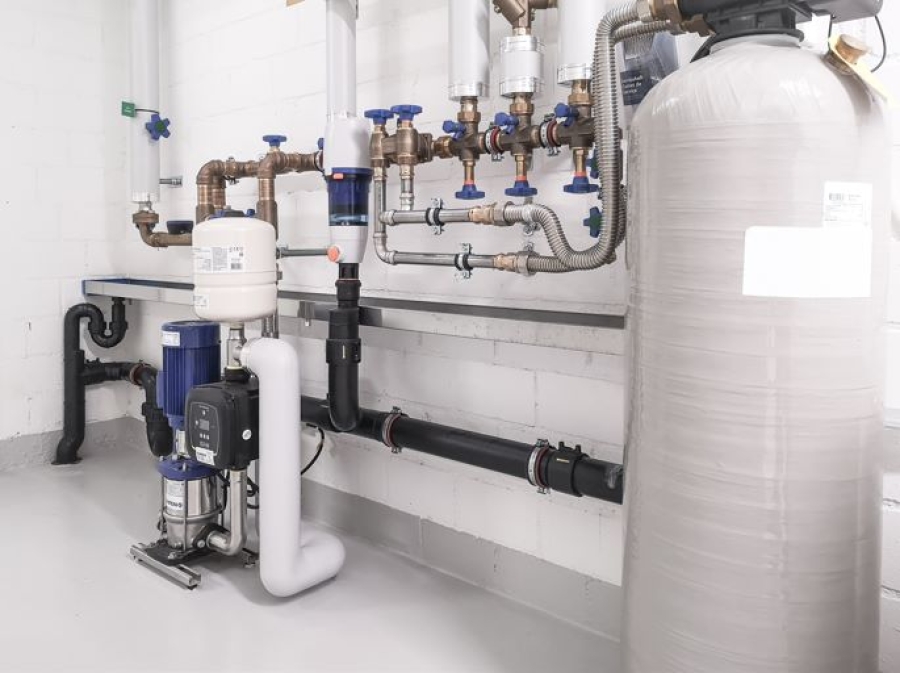
Hard water creates several hidden issues in your home. It causes scale buildup inside pipes, leaves spots on dishes, reduces soap efficiency, and dries out skin and hair. Over time, these effects lead to costly repairs and higher water bills. Even small household appliances like kettles or washing machines can wear out faster.
These problems silently take a toll on your comfort and budget. Soap doesn’t lather well, clothes feel rough after washing, and your water heater uses more energy. Hard water not only affects the taste of your water but also damages everything it touches. Without proper treatment, these daily inconveniences quickly become expensive and frustrating.
Choosing the right water softener can fix these issues effectively. With the right system in place, your water quality improves, and your home stays protected. This article explains how to pick the best one.
The Impact of Hard Water on Your Home
Hard water contains high levels of calcium and magnesium. These minerals come from underground sources and flow into your water supply. When these water minerals are too many, it becomes hard and affects everyday use.
You may notice white spots on your dishes after washing. Soap doesn’t lather well, and your skin feels dry after a shower. Clothes become stiff, and pipes clog over time. These are clear signs of high water hardness levels in your home.
Over time, hard water damages plumbing and appliances. Mineral buildup reduces water flow and lowers system efficiency. Water heaters work harder, increasing energy use and wear. This shortens the lifespan of your equipment and leads to costly repairs.
Understanding these impacts helps you take early action. Softened water helps stop further damage and keeps your home running better.
Identifying Your Specific Water Softening Needs
Choosing the right water softener starts with testing your water. You can use a home water test kit or hire experts from a water softener company. Testing helps confirm if you need a softener and how strong it should be.
Hardness is measured in grains per gallon (GPG) or parts per million (ppm). A level above 7 GPG or 120 ppm means your water is hard. The higher the number, the more powerful your softener's grain capacity needs to be.
You also need to think about your household size and gallons per person. More people use more water each day. A family of four needs a higher capacity system than a single person. Daily water usage, along with water hardness level, helps you calculate the right water softener size.
Knowing these numbers prevents underperformance or waste. It ensures the softener works well and lasts longer.
Comparing Common Types of Water Softeners
Salt-based ion exchange softeners remain the most popular choice. You’re sure to find these being sold by any reliable water softener company. They work by swapping hard minerals with sodium. Salt-based water softeners are highly effective and suit most households.
Salt-free water softeners don’t remove minerals but help reduce scaling. They’re ideal if you want low maintenance and minimal salt use. However, they don’t deliver true soft water.
Dual-tank systems include two resin tanks. One works while the other regenerates. These units support high usage and provide a constant soft water supply. They’re ideal for large families or busy homes.
Magnetic and electronic descalers use electric fields to change mineral behavior. These systems are small and easy to install. Still, they work best in mild hardness areas and offer limited results.
Each type serves a different need. Choose one that fits your water hardness, budget, and usage.
Adobe Stock
Evaluating Key Features Before You Buy
Water softener capacity is measured in grains. Pick a unit that matches your water hardness and daily use. A system that’s too small won’t keep up, while an oversized one wastes salt and water.
Regeneration cycles control when the system refreshes its resin. Time-initiated models work on a set schedule. Demand-initiated ones regenerate based on actual water use. The latter saves salt and water by adjusting to your usage.
Check for NSF/ANSI certifications when comparing models. These ensure the softener meets safety and performance standards. Certified systems are tested for efficiency and durability.
Also, consider how easy the unit is to maintain. Look for models with simple controls, accessible parts, and clear manuals. Make sure replacement parts are easy to find locally or online.
These features help you get better value and reliable long-term results.
Considering Installation and Long-Term Costs
Some water softener systems are easy to install. Many salt-free and magnetic units support basic DIY setups. Others, like dual-tank systems, may need a professional plumber. Check the manufacturer’s guide before deciding.
Ongoing maintenance adds to total cost. Salt-based models need regular salt refills. Resin may need replacement after several years. Some units also include filters that must be changed periodically.
Look beyond the upfront price when looking into the costs of a particular type of water softener. A cheaper unit may cost more to operate over time. Salt, water use, and maintenance frequency all affect lifetime cost. Energy use also varies by model.
Choose a system that balances price, performance, and ease of care. Understanding long-term expenses helps you avoid surprise costs and poor results later.
This approach protects your budget and supports consistent water quality over time.
Reading Reviews and Checking Manufacturer Reputation
Customer reviews give real insight into product performance. Use trusted retail sites and forums. Look for feedback on setup, durability, and service experiences. Avoid relying on only one source.
Warranty terms reveal how much the brand supports its product. Longer warranties often mean better build quality. Also, check the brand’s customer support. Easy returns, fast replies, and helpful guidance matter.
Stick with brands known for quality and consistency. New or unknown brands may offer low prices, but their support may be weak. Reliable brands usually have strong reviews, certified products, and better warranties.
Compare both pros and cons when reading reviews. Focus on patterns instead of one-off complaints. This helps you make a safer, more informed decision and avoid future regrets.
Good research protects your investment and ensures long-term satisfaction.
Conclusion
Hard water continues to affect your comfort, budget, and home. Each day of delay leads to more buildup, wasted energy, and worn-out appliances. It’s time to decide if these ongoing issues are worth ignoring.
Now you know how to test your water, compare systems, and check features. You’ve learned what affects cost and how to avoid poor quality. Use this information to match a softener with your household’s exact needs. Start the process now and take control of your water quality.
For even better results, consider adding a whole-house water filtration system. It improves taste, removes harmful contaminants, and gives your home complete protection. This combination works well in areas with poor water quality and supports long-term health and comfort.