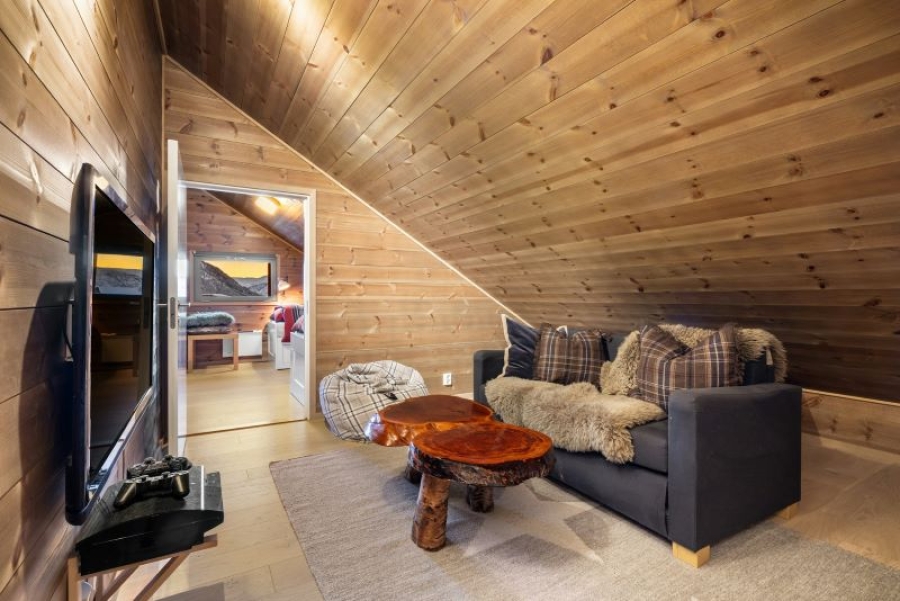
In 2023, California witnessed a significant surge in Accessory Dwelling Unit (ADU) construction, with nearly 23,000 units built — more than double the 10,000 constructed in 2021.
For real estate investors, ADUs represent a compelling opportunity: they can enhance property value, generate additional rental income, and provide versatile housing options. However, financing these units often presents hurdles, as traditional lending avenues may not align with the unique nature of ADU projects.
This article explores the rise of ADUs and delves into innovative financing strategies that are empowering investors to unlock new revenue streams through these secondary units.
The Investment Appeal of ADUs
Accessory dwelling units have moved beyond trend status — they're now a proven asset in real estate portfolios. For investors, ADUs offer a straightforward way to boost property performance without acquiring additional land. Their compact size and relatively low build cost make them an attractive option for increasing yield per square foot.
One of the quickest benefits is earning rental income. A well-placed ADU can generate hundreds or even thousands in monthly rent, often with lower vacancy rates due to the rising demand for affordable, self-contained housing. This consistent cash flow can offset mortgage payments or fund future investments, creating a powerful compounding effect on long-term returns.
Beyond income, ADUs increase overall property value. In competitive markets, an additional legal unit significantly raises appraisal values and broadens buyer appeal. Whether rented short-term or long-term, used as a home office, or offered to family members, an ADU adds flexibility — and flexibility translates to value. For investors thinking ahead, this kind of functional, income-producing improvement is exactly the kind of edge that builds real wealth.
Traditional Financing Options and Their Limitations
Most investors initially look to traditional lending methods when financing an ADU — but these aren't always a perfect fit. Conventional mortgages, home improvement loans, or construction loans from banks may work for some, but they often come with limitations that can stall or shrink a project before it starts.
Lenders typically evaluate the borrower’s personal income and existing debt load, which doesn’t always reflect the investment potential of an ADU. If the additional unit hasn’t yet been built, it can’t be counted toward projected rental income, making it harder to qualify for favorable terms. Loan-to-value ratios may also limit how much equity investors can tap, especially in markets where values haven’t caught up with ADU potential.
Even when loans are approved, they tend to come with rigid timelines, inspection requirements, and paperwork that delay the process. For investors trying to move quickly or build multiple units, these restrictions can mean missed opportunities. The disconnect between traditional lending structures and the unique needs of ADU projects is what makes alternative financing strategies so critical. Creative solutions aren't simply preferable — they’re often the key to making these projects viable at scale.

Photo by Lois Portelli on Unsplash
Creative Financing Strategies for ADUs
When regular loans are limiting, creative financing gives real estate investors more flexibility to keep going. These strategies offer flexibility in terms, documentation, and timelines — key advantages when building ADUs on a tight schedule or budget.
Home Equity-Based Solutions
One of the most accessible methods is using a Home Equity Line of Credit (HELOC), which lets you borrow against your property's existing value. With interest-only payments during the draw period, it’s ideal for phased construction or managing cash flow.
Alternatively, cash-out refinancing replaces your current mortgage with a larger one, allowing you to withdraw the difference in cash. Though it resets your mortgage, the funds can often cover most or all of the ADU build, especially in markets where property appreciation has been strong.
Renovation and Construction Loans
Construction loans from reputable lenders offer short-term financing tailored to ADU development. Funds are typically disbursed in stages, tied to project milestones, allowing investors to manage cash flow efficiently. Some banks and credit unions now provide streamlined renovation loans specifically for investment properties.
Once the ADU is complete, refinancing into a long-term loan is common, enabling investors to recapture equity and secure better terms. This approach suits those focused on phased builds and long-term rental income.
DSCR Loans: Cash Flow-Based Financing for ADUs
Debt Service Coverage Ratio (DSCR) loans offer a financing solution built around the property’s income potential rather than the borrower’s personal income. By focusing on whether rental revenue can cover loan payments, these loans unlock funding for investors who may not qualify through conventional means.
This model is especially useful for ADU builds that will significantly increase rental yield. Many lenders offer flexible terms, interest-only options, and fast underwriting. For example, real estate investors can get an instant quote from lenders who specialize in DSCR loan structures, making it easier to assess feasibility upfront and act quickly when timing matters.
Alternative Financing Methods
Some investors explore shared equity models, where a third party provides funding in exchange for a share of the home’s future appreciation. This option avoids monthly payments altogether and aligns long-term interests. It’s especially useful for homeowners with high property values but limited cash flow.
Peer-to-peer lending and real estate crowdfunding platforms are another avenue. These allow investors to raise funds from individuals or groups without going through banks. Though interest rates may be higher, the speed and simplicity often make the tradeoff worthwhile for short timelines or niche properties.
Private and hard money loans remain a go-to for fast financing. These asset-based loans require less documentation and prioritize property value over borrower profile. They work well when investors plan to refinance after construction or sell shortly after the build.
Government Grants and Incentives
State and local governments increasingly offer financial incentives to encourage ADU development, especially in areas facing housing shortages. Grants, fee waivers, and pre-approved plan programs can reduce total project costs by thousands. For example, some California cities provide up to $40,000 in forgivable loans for low-income homeowners who build and rent ADUs affordably.
Tax deductions and credits may also apply. Investors should consult with local agencies or tax professionals to understand how to leverage these benefits during construction and after the ADU is rented.
Together, these creative financing tools give investors a tailored, resourceful approach to ADU development — allowing them to move faster, build smarter, and unlock the full value of their properties.
Strategic Considerations for Investors
Before breaking ground on an ADU, investors should assess key factors to ensure a successful project.
• Begin by researching local zoning laws and building codes to confirm ADU eligibility and understand any restrictions.
• Evaluate the property's potential by analyzing lot size, existing structures, and neighborhood demand for rental units.
• Conduct a thorough cost-benefit analysis, factoring in construction expenses, permitting fees, and projected rental income. It's also crucial to consider long-term implications, such as increased property taxes and maintenance responsibilities.
Unlocking Long-Term Value Through Smart Financing
Creative financing isn’t just a shortcut — it’s a smart strategy. For real estate investors eyeing ADUs, knowing how to access and structure capital is as important as location or design. The right financing approach can turn an underused lot into a high-yield asset, fast-tracking cash flow and long-term equity growth.
Success starts with choosing funding that aligns with your project timeline, risk appetite, and goals. ADUs aren’t side projects anymore — they’re serious investment vehicles. Treat the financing like it.