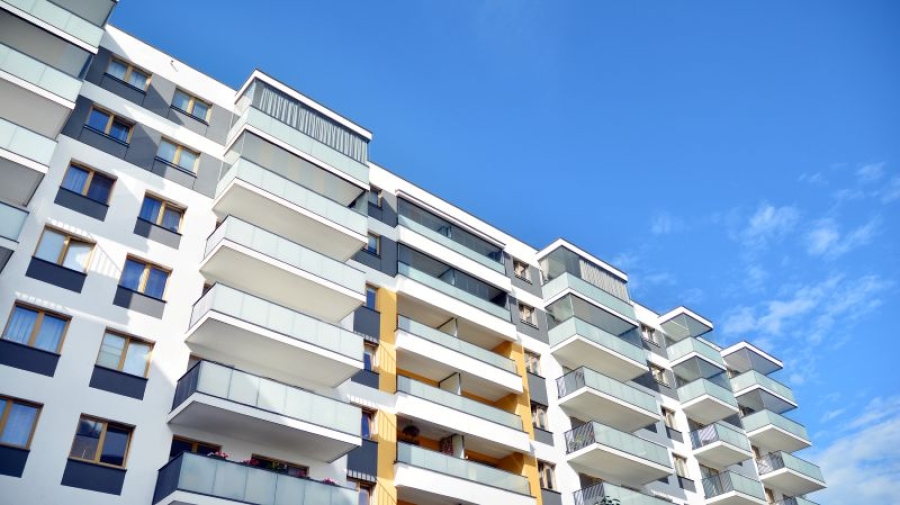
Strata living comes with many perks — shared amenities, lower maintenance responsibilities for individual units, and a strong sense of community. But it also means a shared responsibility for keeping communal areas clean, safe, and presentable.
For tenants, landlords, and property managers, maintaining cleanliness in strata buildings is vital. Clean common areas not only enhance health and safety but also protect property value and encourage long-term tenancies. In fact, a tidy environment often sets the tone for how residents treat the property — fostering respect and pride among occupants.
Whether you’re new to strata living or managing a multi-storey residential complex, this guide offers practical steps to ensure your building stays spotless and inviting.
Why a Clean Strata Building Is Important
Unlike standalone homes, strata properties involve shared spaces that require collective attention. Common areas such as hallways, foyers, stairwells, and outdoor zones are frequently used by residents and guests, making them prone to wear and tear.
Benefits of maintaining a clean strata building:
• Health and hygiene: Clean spaces reduce the spread of germs, mould, and allergens.
• First impressions: Visitors and potential renters form opinions quickly based on appearance.
• Resident satisfaction: A well-kept environment fosters a sense of comfort and pride.
• Property preservation: Regular cleaning helps avoid costly repairs from neglect or damage.
• Legal compliance: Some jurisdictions have regulations around cleanliness in shared properties.
When a building is clean and well-maintained, residents are more likely to respect and care for the space — creating a virtuous cycle of upkeep and mutual responsibility.
Establish a Consistent Cleaning Schedule
One of the most effective ways to manage cleanliness in a strata complex is by setting up a structured cleaning schedule. This ensures every area is attended to regularly, reducing the risk of dirt build-up, pest issues, or resident complaints.
Key areas to include in your cleaning plan:
• Building entrances and lobbies
• Corridors and stairwells
• Lift interiors and buttons
• Shared laundry facilities
• Waste and recycling areas
• Outdoor patios or BBQ zones
• Parking areas and driveways
• Mailrooms and storage units
Developing a daily, weekly, and monthly task list based on the building’s size and traffic can help streamline the process. For example, high-touch surfaces like door handles and elevator buttons may need daily cleaning, while window washing or carpet steaming can be done monthly.
Pro tip: Share the cleaning schedule with residents through noticeboards, digital platforms, or emails to maintain transparency and set expectations.
Engage Professional Cleaning Services
While some smaller strata buildings rely on resident rosters or ad hoc arrangements, larger complexes often benefit from the reliability and expertise of professional cleaners. These service providers bring the right equipment, products, and techniques to ensure thorough and consistent results.
Advantages of hiring a professional cleaning company:
• Expertise: Trained cleaners understand how to sanitise high-traffic areas effectively.
• Consistency: Regular visits ensure that no cleaning task is forgotten or delayed.
• Time-saving: Professionals free up time for property managers and residents.
• Compliance: Licensed cleaning companies are aware of safety standards and environmental guidelines.
• Equipment access: From pressure washers to industrial vacuums, the right tools make a difference.
A good cleaning partner will also work with you to develop a tailored plan based on the unique features of your building — from the number of floors to the types of communal spaces.
Encourage Resident Participation
A clean strata building is a team effort. While professional cleaners play a big role, resident cooperation is just as important in maintaining a healthy and tidy environment. Encouraging everyone to take ownership of the space reduces mess and promotes shared respect.
Tips to promote resident responsibility:
• Clear signage: Use polite and visible signs in laundry rooms, waste areas, and shared spaces to remind residents of basic etiquette.
• Welcome packs: Provide newcomers with a guide on building rules and shared space expectations.
• Strata meetings: Include cleanliness and maintenance updates as regular discussion points.
• Feedback systems: Let residents report issues or suggest improvements through easy channels like apps or email.
Even small habits — such as picking up litter, disposing of rubbish properly, or wiping down shared surfaces — contribute to a cleaner, more pleasant community.
Use Preventative Maintenance Techniques
Preventing mess and damage before they occur is an often-overlooked aspect of building cleanliness. Preventative maintenance strategies help reduce the burden and protect your building's long-term condition.
Preventative strategies include:
• Mat placement: Use floor mats at entrances to catch dirt and moisture before it enters the building.
• Regular inspections: Check for leaks, mould, pest activity, or wear and tear on surfaces.
• Timely repairs: Address issues like plumbing leaks or cracked tiles promptly to prevent bigger problems.
• Gardening care: Keep shrubs trimmed and pathways free of debris to maintain outdoor appeal.
• Seasonal deep cleans: Schedule periodic tasks such as gutter cleaning, window washing, and carpet shampooing.
Being proactive helps avoid emergencies — and it’s more cost-effective in the long run than reactive deep cleaning or repairs.
Choose Safe and Eco-Friendly Cleaning Products
In today’s environmentally conscious world, many residents value the use of sustainable and safe cleaning methods. Green cleaning products are effective, biodegradable, and free from harsh chemicals — making them ideal for shared environments where children, pets, and sensitive individuals may be present.
Benefits of using eco-friendly products:
• Healthier indoor air quality
• Reduced risk of allergic reactions or skin irritation
• Less impact on the environment
• Gentler on building materials and surfaces
If you work with a commercial cleaning company, ask whether they offer green cleaning services or whether you can supply preferred products. Strata committees can also include sustainability standards in service contracts.
Monitor Performance and Adapt as Needed
Even with the best systems in place, it’s essential to monitor the effectiveness of your cleaning strategy. Regular reviews help identify gaps, address concerns, and refine procedures based on resident feedback and building changes.
Considerations for monitoring:
• Are there any frequently missed areas?
• Has resident feedback been positive or negative?
• Are cleaning tasks being completed on time and to standard?
• Have there been increases in pest activity or complaints?
• Does the schedule reflect seasonal or occupancy changes?
A quarterly review is usually sufficient for most buildings, but high-density complexes may require more frequent check-ins. Consider using checklists, inspection reports, or even resident surveys to stay on top of cleanliness standards.
Conclusion
Keeping a strata building clean is more than just routine upkeep — it's about fostering a safe, attractive, and respectful community for all residents. By developing a reliable cleaning schedule, working with professionals, encouraging resident participation, and focusing on preventative care, strata managers and owners can ensure their buildings stay inviting and well-maintained year-round.
Cleanliness isn’t just about appearances — it’s about lifestyle quality, safety, and long-term asset protection.