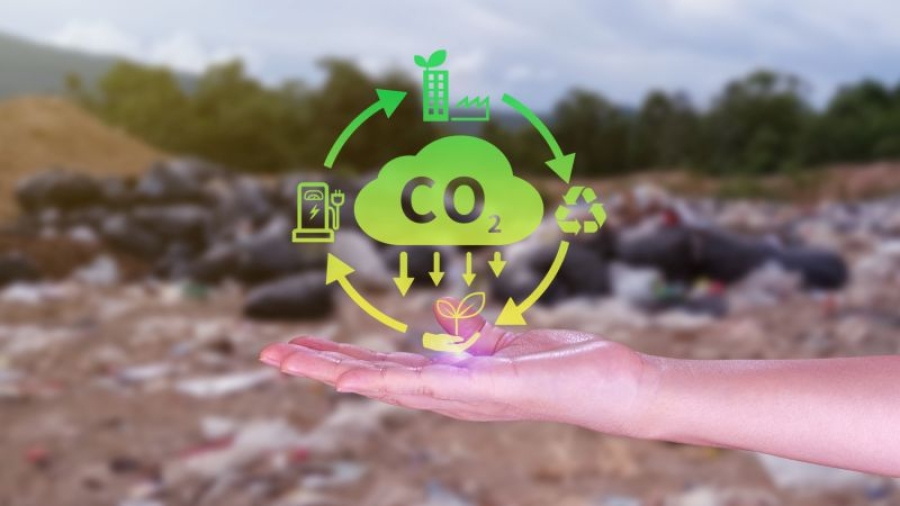
The green building movement has long focused on energy efficiency, sustainable materials, and environmental preservation. As climate change accelerates, architects, developers, and engineers are adopting even more ambitious technologies to reduce carbon footprints. One such technology gaining traction is Direct Air Capture (DAC) of CO₂, a method of actively removing carbon dioxide from the atmosphere. This revolutionary approach is not only supporting global climate goals but also redefining how buildings can contribute to a cleaner future.
What Is Direct Air Capture?
Direct Air Capture (DAC) is a carbon removal technology that extracts carbon dioxide directly from ambient air. Unlike traditional carbon capture and storage (CCS), which captures CO₂ at the source (like power plants), DAC targets atmospheric CO₂, regardless of where it originated.
DAC systems typically use large fans to pull in air, which then passes through chemical solutions or solid filters that bind with CO₂ molecules. Once captured, the carbon can be stored underground in geological formations or reused in products such as building materials, synthetic fuels, and carbonated beverages.
This process, known as direct air capture of CO₂, plays a critical role in offsetting emissions that are difficult to eliminate, such as those from aviation and heavy industry. In the context of green building, DAC technologies are offering new ways to design and construct carbon-negative or net-zero structures.
The Role of DAC in Sustainable Architecture
Enhancing Building Carbon Performance
One of the most significant ways DAC is shaping green building is by enabling carbon-negative construction. Traditional sustainable building focuses on reducing emissions during a building's life cycle. DAC takes it a step further by allowing buildings to actively remove carbon from the air, creating a positive environmental impact.
By integrating DAC units into HVAC systems or building facades, structures can act like urban trees—absorbing CO₂ and improving air quality. This approach transforms buildings from passive energy consumers into active climate solutions.
Closing the Loop with Carbon-Negative Materials
Another avenue where DAC intersects with green building is through carbon-storing construction materials. Researchers and manufacturers are using captured CO₂ to create low-carbon or carbon-negative products like:
• Concrete: Infusing captured CO₂ into concrete during curing can strengthen the material and trap carbon permanently.
• Plastics and Polymers: DAC-derived carbon can be used to create building plastics with a smaller environmental footprint.
• Insulation and foams: Captured carbon is being used to make high-performance insulation products that help reduce energy use.
These innovations not only reduce the carbon footprint of materials but also offer performance advantages and new design possibilities.
Integration of DAC Systems in Urban Design
Building-Level Applications
Some forward-thinking building projects are experimenting with on-site DAC units. These compact systems can be installed on rooftops or integrated into HVAC systems to clean outdoor air. While the scale is smaller compared to industrial DAC plants, distributed systems in urban settings can collectively make a substantial impact.
For instance, DAC-enhanced buildings can help offset emissions from nearby roads or industrial zones, contributing to localized air quality improvements. They also provide a visible and tangible symbol of sustainability, adding value to properties and appealing to eco-conscious tenants.
Smart Cities and District-Level Planning
Beyond individual buildings, DAC can be scaled to fit district-level sustainability strategies. In smart cities, centralized DAC systems can serve multiple buildings or public infrastructure. These systems can work in conjunction with renewable energy microgrids, waste heat recovery, and smart ventilation networks to create climate-positive urban zones.
Cities like Oslo, Vancouver, and Singapore are already exploring how emerging technologies, including DAC, can be integrated into climate-resilient infrastructure. These efforts support net-zero or even net-negative emissions goals at the community level.
Challenges and Considerations
Energy Demand and Sustainability
A major concern with DAC technology is its energy intensity. Capturing and processing CO₂ requires significant electricity and heat, which can negate its benefits if powered by fossil fuels. For DAC to align with green building principles, it must be paired with renewable energy sources such as solar, wind, or geothermal.
Some DAC projects are addressing this by co-locating with renewable energy farms or using waste heat from industrial processes to power operations. In buildings, the use of building-integrated photovoltaics (BIPV) or geothermal systems can help meet DAC energy needs sustainably.
Cost and Scalability
Currently, DAC remains expensive, with costs ranging from $250 to $600 per ton of CO₂ captured. However, as the technology matures and demand grows, prices are expected to fall. Incentives such as carbon credits, government subsidies, and green building certifications may also help offset initial investments.
Architects and developers will need to balance the upfront costs of DAC systems with long-term operational savings, regulatory benefits, and marketing value. As more case studies emerge, the return on investment for DAC in green buildings will become clearer.
Regulatory and Certification Frameworks
For DAC to be widely adopted in construction, it must be integrated into building codes and green certification programs. Organizations like LEED, BREEAM, and the WELL Building Standard are beginning to explore how carbon removal technologies fit within their frameworks.
Additionally, robust monitoring and verification protocols are essential to ensure that claimed carbon removals are real and permanent. The development of international standards for DAC in the built environment will play a key role in scaling its adoption.
The Future of DAC in Green Building
Innovation and Collaboration
The future of DAC in green construction lies in multidisciplinary collaboration. Architects, engineers, chemists, and urban planners must work together to design buildings that incorporate DAC effectively and aesthetically. Universities and startups are already partnering with real estate developers to pilot new DAC-integrated building models.
As DAC materials and systems become more compact and modular, we may see widespread adoption in retrofitting existing buildings—not just new construction. This will open up opportunities for cities to decarbonize their vast stock of aging infrastructure.
Policy and Market Drivers
Governments are beginning to recognize DAC as a critical tool for meeting climate targets. Legislation like the U.S. Inflation Reduction Act provides tax incentives for carbon removal projects, including DAC. As climate disclosure regulations tighten, companies and developers may turn to DAC-enabled buildings to meet ESG (Environmental, Social, and Governance) requirements.
Green building investors and occupants are also demanding more than just energy efficiency—they want carbon neutrality or negativity. This market pressure will drive further integration of DAC into building design, operations, and materials sourcing.
Conclusion
Direct air capture of CO₂ is more than a technological innovation—it's a transformative force in green building. By enabling carbon-negative construction, enhancing materials, and supporting healthier urban environments, DAC is redefining sustainability in the built environment. While challenges remain in cost and energy use, ongoing innovation and supportive policy are rapidly accelerating its adoption. As we move toward a low-carbon future, buildings won’t just shelter us—they’ll help save the planet.