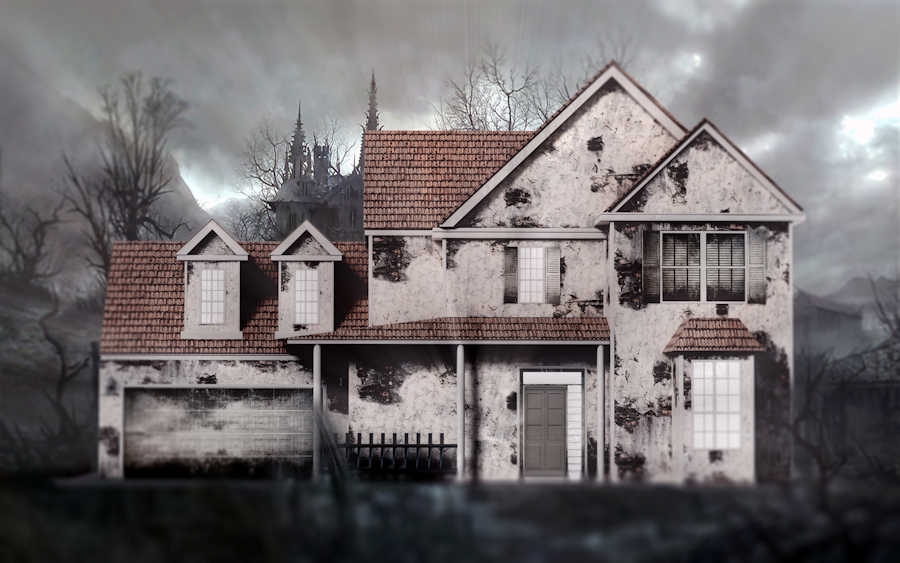
Your home's exterior might be sending warning signs that it needs a fresh paint job. Most homeowners miss these significant warnings until the damage becomes too obvious to ignore. A well-maintained exterior paint job doesn't just make your home look great—it protects your investment.
The right time to paint your house depends on several factors. Paint experts suggest you consider a repaint every 5 to 10 years based on your environment and the paint quality. But this schedule changes based on your location. Coastal homes need repainting every 4 years because of intense sun exposure and salt air damage. Professional painters Newcastle and other coastal areas often recommend more frequent maintenance due to these harsh conditions. Homes in humid areas face unique challenges from mould and mildew. Experience shows that delaying paint maintenance gets costly and requires more work. The best approach is to refresh your exterior every 3 to 7 years.
Let's explore the clear signs that show your home needs a new paint job. You'll learn to spot everything from visual clues to structural warnings before small problems turn into major headaches.
Visual Signs You Shouldn't Ignore
Your home's exterior reveals its condition through visible clues. Spotting these house painting signs early can help you avoid repairs that might get costly later. Let's look at the visual signs that tell you it's time to schedule a repaint.
Paint fading usually stands out as the most obvious sign your house needs work. Once-vibrant colours that look dull or different show UV damage has weakened the paint's protective properties. The fading often looks uneven, and your home's north and west-facing walls typically show more wear than others with less sun exposure.
A powdery residue that rubs off on your hand when touched - called chalking - shows your paint breaking down. This chalky substance forms as the paint's binder deteriorates, which leaves loose pigment particles on the surface. Dark colours make it most obvious, but chalking affects all painted surfaces over time.
Paint peeling and flaking show more serious deterioration. These problems start when paint loses its grip on the surface below, often in small spots before they spread. Tiny bubbles appear first, then crack and peel away to expose what's underneath. This damage usually speeds up after rain or harsh weather hits.
Your exterior paint's cracks create paths where moisture sneaks deeper into your home's structure. Small hairline cracks grow wider as your house expands and contracts with temperature shifts. Water seeps through these gaps beneath the paint, which leads to bigger problems like wood rot or mould.
Your current paint's excessive brittleness or hardness signals time for a new coat. Old paint loses its flexibility and can't flex with your home's natural movement anymore. Touch your exterior walls - if the paint feels too brittle or crumbles instead of staying somewhat flexible, its protective qualities have weakened significantly.
Structural and Surface Damage
Paint problems on your home's exterior often reveal deeper structural problems that need quick action. Your home's paint acts as its shield against the elements, and when this protection fails, it can trigger a chain of issues.
Cracks in your paint usually show that moisture has gotten under the surface and created paths for water to seep into your home's structure. The real trouble starts when this moisture can't escape, which happens frequently with modern masonry paints because they don't breathe well. The trapped moisture pushes the paint off the wall, causing bubbles and eventual peeling.
Your home's siding gives you another important warning sign. The siding can start to warp and pull away from your house, leaving gaps where more moisture sneaks in. This can rot other areas. This ongoing damage can substantially lower your home's structural strength and market value.
Rotting timber ranks among the worst outcomes if you wait too long to repaint. While examining exterior timber parts, look for these warning signs:
- A soft, spongy feel when pushed with a screwdriver
- Timber that looks darker than areas around it
- Parts that crumble or have shrunk
- A musty, earthy smell
Poor caulking shows you need detailed exterior work done. The caulk might crack down its middle because of significant movement or temperature shifts. These small gaps become doorways for moisture, pests and more damage.
Paint bubbles almost always point to moisture problems, especially when you have high humidity or possible leaks. Ground-level painted areas face higher risks because they soak up extra moisture.
Note that exterior paint does more than look good - it protects your home. A fresh coat every 4-7 years, based on your climate and exposure, stops these structural issues before they start. If you wait too long between paint jobs, a simple maintenance task turns into expensive structural repairs.
Environmental and Moisture Issues
Environmental factors can speed up your home's exterior paint deterioration. Moisture is one of the most persistent enemies of a quality paint job and shows itself in several ways that you need to watch for.
Water seeps through exterior walls and causes paint to bubble and peel as it forces its way behind the paint film. Small cracks or gaps in your exterior finish usually cause this. These problems are systemic and only get worse as water continues to seep beneath the surface.
Your home reveals significant warning signs after rainfall. Watch for these signs of moisture problems:
- Water stains or discolouration on siding and exterior walls
- Visible brick saturation creating darker areas
- Salt deposits forming on exterior surfaces
- Peeling paint, especially in areas near ground level
- Creaky floors or damaged flooring near exterior walls
The sun's ultraviolet rays are another tough opponent. UV radiation breaks down paint's chemical bonds and causes fading and chalking - that powdery residue you feel on weathered surfaces. Dark colours don't fade as well, perhaps even showing noticeable wear within two Australian summers.
Mould and mildew on exterior surfaces point to excessive moisture retention. These fungi love damp, shaded spots where air doesn't circulate well. They're not just unsightly - they signal potential water issues that need quick attention.
Humidity levels affect how well paint adheres to surfaces. Changing humidity makes paint expand and contract, which creates premature cracking and flaking. Rain mixed with UV exposure makes the damage worse through repeated wet-dry cycles.
Your home's ventilation plays a vital role in paint longevity. Well-maintained exterior walls are the foundations of your home's defence against weather. Good airflow around exterior surfaces helps prevent moisture buildup that ruins paint.
Regular maintenance is your best defence against environmental paint damage. Annual cleaning removes built-up dirt and organic growth, while coastal homes benefit from cleaning twice yearly. Spotting early signs of wear lets you address issues before you need complete repainting.
Conclusion
Your home's exterior paint serves as a preventative measure and is an important investment in your property's future. We've looked at clear signs that tell you it's time to repaint - from visual hints like fading and chalking to serious problems like timber rot and failed caulking. You should never ignore these warning signs.
The elements speed up paint wear without doubt, especially moisture and UV exposure. Paint acts as your home's main shield in its constant battle against these forces. Quick checks help spot early trouble signs before repairs get expensive.
A fresh paint job does more than improve appearance. It provides vital protection for your home's structure. The typical 5-10 year timeline works for many homeowners, but your situation might need more frequent updates. Houses near coastlines or in humid areas need extra care of course, because their environment is much harsher.
Addressing paint problems early saves money and prevents headaches later. A small investment in quality paint and proper timing prevents extensive damage that follows neglect. Your home is one of your biggest investments, so protecting it should be a top priority.
Next time you walk around your property, check these vital areas. Watch for peeling, bubbling, or cracking paint. Test timber parts for softness or colour changes. Look at spots where water might collect. These basic checks will show if your house needs a fresh protective coat.