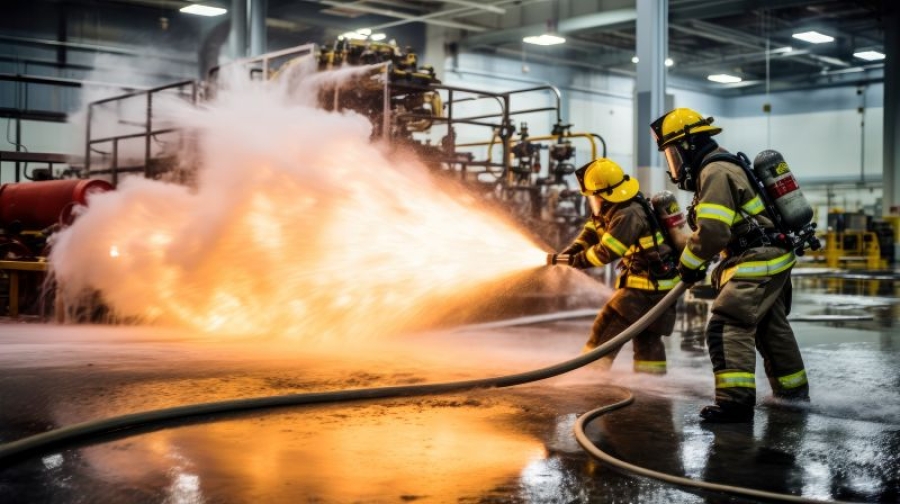
Fire safety is one of those topics that often gets sidelined on busy jobsites. Between tight schedules, subcontractor coordination, and the constant hum of machinery, it can feel like there isn’t enough time to worry about fire watch compliance until it’s too late.
Yet fires remain one of the most destructive and costly risks in construction and industrial environments. That’s where fire watch regulations—shaped by organisations like the National Fire Protection Association (NFPA)—step in to provide clarity, structure, and lifesaving guidance.
Understanding these rules doesn’t have to be complicated. In fact, simplifying fire watch requirements can help workers, managers, and business owners integrate them naturally into daily routines. The goal isn’t just to tick boxes for compliance; it’s to create safer spaces where everyone can focus on their work without unnecessary risks.
Why Fire Watch Exists in the First Place
The concept of fire watch might sound like another layer of red tape, but it serves a very real purpose. Fires often begin in small, unnoticed ways—sparks from welding, overheated machinery, or even temporary wiring setups. When automatic fire systems like sprinklers or alarms are impaired, or when hot work is being performed, the role of a fire watch becomes crucial.
A fire watch is essentially a set of trained eyes dedicated to spotting hazards before they spiral into disasters. These personnel are responsible for continuously monitoring areas at risk, maintaining communication channels, and knowing exactly how to respond if smoke or fire is detected. Without this human layer of protection, a single unnoticed spark could result in catastrophic damage, injuries, or worse.
NFPA Standards and What They Mean
At the core of fire watch rules are NFPA standards. These are not arbitrary guidelines; they are carefully developed codes informed by decades of research, field data, and fire incident analysis. While there are many NFPA codes, one of the most relevant to fire watch is NFPA 51B, which addresses fire prevention during welding, cutting, and other hot work.
This standard outlines when fire watches are required, how long they should remain on duty, and what tools they should have at their disposal. For example, NFPA 51B mandates that fire watch personnel stay in place during hot work and for at least 30 minutes after operations conclude—ensuring smoldering embers don’t reignite unnoticed.
Understanding these requirements helps companies avoid fines, delays, and liability, but more importantly, it provides peace of mind that risks are being managed responsibly.
Translating Rules Into Jobsite Practices
Rules and codes only work when they’re applied in real-world situations. On a busy jobsite, this means identifying the scenarios where fire watch is necessary. Some of the most common include:
• When hot work such as welding or cutting is performed in areas with combustible materials.
• During times when fire alarm or sprinkler systems are temporarily disabled.
• In settings where flammable liquids, gases, or dust may be present.
Implementing fire watch effectively requires training personnel to understand what to look for, how to act quickly, and how to use fire suppression tools if needed. It also means ensuring proper documentation, since inspectors will often ask for fire watch logs as part of compliance checks.
Common Challenges and How to Overcome Them
Even when companies understand the importance of fire watch, challenges can arise. One frequent issue is underestimating the length of time a fire watch should be maintained. Workers may want to leave as soon as welding is complete, but as NFPA guidelines remind us, the danger doesn’t disappear instantly. Smoldering sparks can ignite minutes later, making that extra 30 minutes of vigilance non-negotiable.
Another challenge is assigning fire watch duties to untrained or distracted workers. Simply putting someone on “watch” isn’t enough. They must be prepared, attentive, and empowered to act. Without training, even the most well-meaning employee might hesitate in the critical first moments of a fire incident.
Finally, some companies struggle with staffing—especially on larger projects where multiple fire watches might be required simultaneously. This is where professional fire watch services can provide invaluable support. Companies such as Fast Fire Watch Guards specialize in supplying trained personnel who understand both the rules and the realities of fire safety on active sites.
The Bigger Picture: Safety Culture
Beyond compliance and checklists, fire watch requirements tie into something bigger: safety culture. When workers see that their employer prioritizes fire prevention, it sends a powerful message about the value of their well-being. It also fosters accountability, encouraging everyone on site to stay alert to hazards.
Fire watch rules should be framed not as burdens, but as tools that protect jobs, reputations, and lives. A strong safety culture doesn’t just reduce incidents; it boosts morale and helps projects run more smoothly. After all, avoiding downtime due to accidents benefits everyone involved.
Making Fire Watch Simple
While NFPA codes may appear dense on paper, their core message is straightforward: vigilance saves lives. By breaking down fire watch into clear, manageable steps—such as training personnel, identifying high-risk areas, and maintaining logs—companies can move from confusion to confidence.
Fire watch doesn’t need to be intimidating. With the right approach, it becomes second nature, woven seamlessly into the fabric of daily operations. Whether supported by internal teams or by specialized services, the outcome is the same: safer jobsites and fewer tragedies.
Conclusion
From NFPA standards to boots on the ground, fire watch requirements are about more than compliance—they are about protection. Every rule, every checklist, and every assigned watch stems from hard-earned lessons in past fire incidents. Simplifying these rules ensures they aren’t ignored but embraced as part of the rhythm of work.
When companies make fire watch part of their culture, they protect not only property but also the people who bring projects to life. And that is the ultimate goal of any safety measure: ensuring that at the end of the day, everyone goes home safe.