Selling a home is emotional. Selling one that's been impacted by a biohazard? That's a whole different beast. Maybe the property was affected by an unattended death, a hoarding situation, or a traumatic event. Whatever the cause, these homes carry problems that go way beyond what shows up in listing photos.
Here's the thing, though: a biohazard-impacted home doesn't have to stay stigmatized. I've seen properties go from "completely unsellable" to "under contract in two weeks" with the right approach. It absolutely can be done.
Understanding Biohazard-Impacted Properties
In real estate terms, a biohazard is any biological material that poses health risks: bloodborne pathogens, bodily fluids, mold from long-term neglect, animal waste, decomposing organic matter. The scary part? These hazards aren't always visible.
The three most common scenarios I see: unattended deaths where someone passes away and isn't discovered for days or weeks. Decomposition damages everything: flooring, subflooring, walls, HVAC systems. Then there are hoarding situations, which trap moisture, pests, mold, and bacteria under what looks like just a lot of stuff. And crime or trauma scenes, where even after law enforcement leaves, biological hazards remain that need way more than crime scene tape and a mop.
Why Biohazard Issues Can Kill a Sale
Buyers make up their minds fast. We're talking seconds. An odd smell, a stain that looks suspicious, even just hearing a rumor about what happened: any of that triggers an immediate "no way" response. Once that gut reaction kicks in, you can talk features and upgrades all day long. It won't matter. The discomfort becomes the only thing they remember about the property.
This isn’t just emotional—there’s real legal and financial risk. Most states require disclosure, and hiding issues can lead to lawsuits years later. Proper remediation with documentation protects you.
Financially, lenders and appraisers may block financing on biohazard-affected homes, forcing you to accept low cash offers. Cleanup is essential for a standard sale.
The Emotional Weight of Selling a Distressed Home
These properties carry weight, especially if the home belonged to someone you loved. Grief makes even simple decisions feel impossible. The idea of cleanup can feel invasive: like you're erasing someone. Family members struggle with letting strangers into spaces filled with memories, or they carry guilt about "moving on too fast."
I get it. Avoidance is understandable, but time only makes biohazard damage worse. Odors, mold, and contamination spread, turning a quick fix into a costly, weeks-long problem.
You don't have to do this alone. Getting support: from family, professionals, even a counselor: can help take those first necessary steps.
First Steps After Discovering a Biohazard Issue
First thing: secure the property and limit who goes in. Fewer people exposed means lower health risk and less liability on you. This isn't the time for well-meaning relatives or friends to "help out" no matter how much they want to pitch in.
The biggest mistake I see? People trying to handle it themselves. Bleach and air fresheners don't fix biohazard contamination: they just mask it temporarily or spread pathogens around. You can actually make things worse by driving contamination deeper into porous surfaces or damaging materials beyond repair.
If biological material is present or suspected, call certified biohazard cleanup professionals. Regular cleaners or contractors aren’t trained for this, and the health risks are too serious.
The Role of Professional Biohazard Cleanup
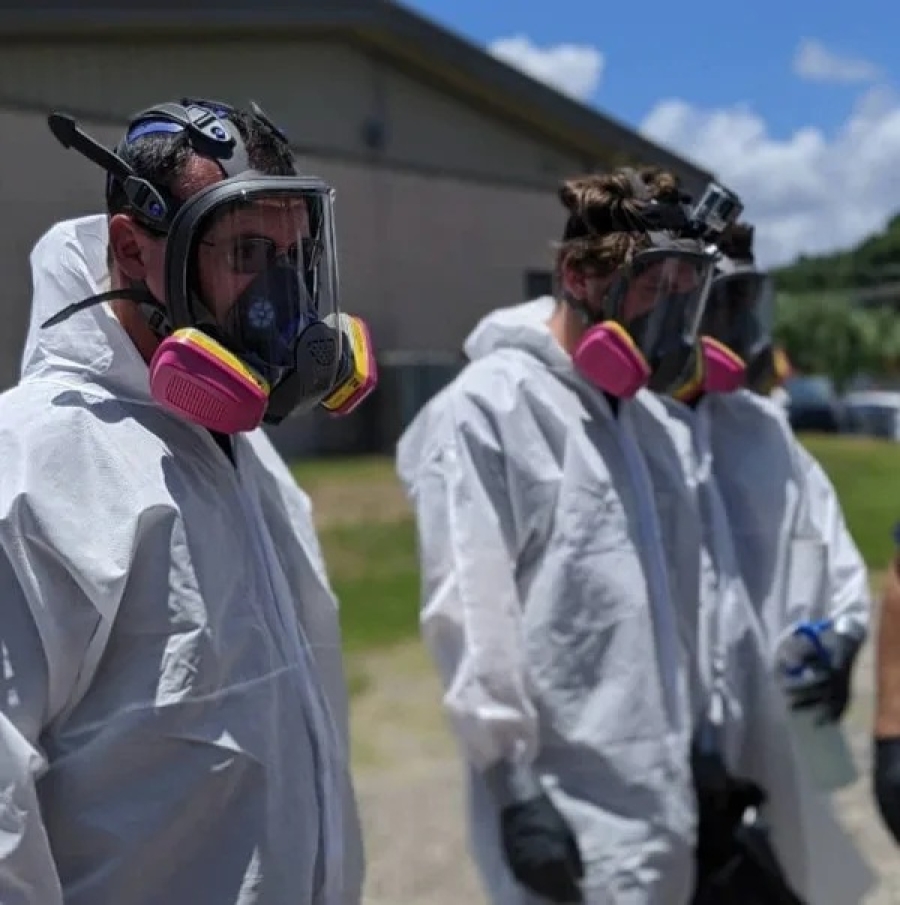
Professional biohazard cleanup is environmental remediation, not just deep cleaning. It involves containment, removal of contaminated materials, industrial disinfection, odor control, regulated waste disposal, and specialized training and equipment.
The good companies follow OSHA, EPA, and state-specific guidelines. They have to: biological contamination means exposure to bloodborne pathogens, infectious diseases, bacteria, viruses, and toxic mold spores. Professional crews use PPE, containment barriers, HEPA filtration, and hospital-grade disinfectants. You can't buy this stuff at Home Depot.
Certification and experience matter here more than almost anywhere else in real estate. Laura Spaulding, who's worked in biohazard remediation for years, puts it simply: "Proper cleanup isn't about appearance: it's about safety. If contamination isn't fully removed, it can resurface during inspections or after a buyer moves in."
Expert Insight: Preparing a Home for Market After Biohazard Cleanup
Laura Spaulding always tells sellers that cleanup is your foundation, not your finish line. After the biohazard's gone, you need to restore normalcy. Fresh paint in neutral colors. Repaired or replaced flooring. Updated fixtures where it makes sense. The goal is helping buyers emotionally reset when they walk in the door: they should see their future, not the property's past.
Timing matters: always complete cleanup before cosmetic repairs. Renovating first can trap contamination, and remediation may require removing finished work, causing you to pay twice.
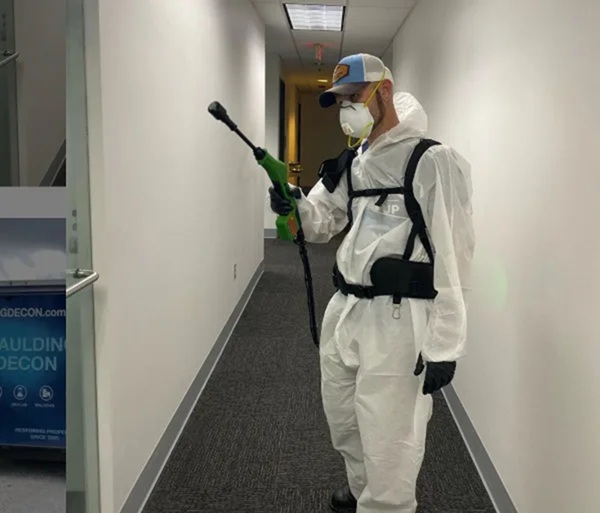
Image: Spauldingdecon.com
From Cleanup to Curb Appeal
Once the remediation's done, you've got to make the property actually sellable. Lingering odors are absolute deal-breakers. Those plugin air fresheners and scented candles? Buyers see right through them. They notice when a place smells "off" even if they can't say exactly what's wrong.
Professional ozone or hydroxyl treatments permanently eliminate odors at the molecular level instead of covering them up. Big difference.
Depending on how bad the contamination was, you might need serious repairs: subflooring, drywall, insulation, sometimes even HVAC components. Yeah, it costs money upfront. But buyers who find hidden problems during inspections will demand credits or price cuts that cost you way more.
Transparency Without Oversharing
Disclosure laws vary by state, but the key rule is to clearly disclose what’s legally required and document that professional cleanup was completed. This builds trust and shows responsible action.
Disclosure doesn’t mean sharing graphic or unnecessary details—focus on what was done, not the incident itself. A professionally remediated home can be cleaner and safer than one that was never tested.
Most buyers care way more about current safety than past events, especially when you've got paperwork from qualified companies like Spaulding Decon - biohazard cleanup proving everything was handled correctly.
How Biohazard Cleanup Impacts Home Value
A lot of sellers think biohazard contamination permanently tanks property value. It doesn't have to. Once contamination is properly addressed, plenty of homes sell within normal market ranges for their area and condition. The key is thorough cleanup with documentation buyers and their agents can verify.
Stigma fades when buyers see proof of professional remediation. With clear documentation, most focus on the home’s current condition and often value the transparency over hidden concerns.
Working With the Right Real Estate Professionals
Not every agent knows how to handle distressed properties, and that experience makes a huge difference. Find someone who understands disclosure laws in your state.
A good agent knows how to present the property's story, when to emphasize the remediation work, and how to price strategically. You want serious buyers, not bargain hunters looking to exploit the situation.
The coordination piece matters too. Cleanup, repairs, staging, and listing need to follow a clear timeline. Rush any part of it and you'll pay for it later.
Case Transformation: From Unlivable to Market-Ready
I've seen homes that looked completely unsellable come back on the market and sell at strong prices. The pattern's always similar: proper remediation by biohazard cleanup specialists, followed by thoughtful restoration and smart pricing.
What makes these turnarounds work? Prompt professional remediation. Thorough documentation of all work. Appropriate repairs to restore market appeal. When sellers invest in doing things right instead of looking for shortcuts, the results usually exceed expectations.
Mistakes Sellers Commonly Make
The worst mistake? Cutting corners on remediation. Partial cleanup always backfires during inspections. You end up with delays, ugly negotiations, or deals falling apart completely. When buyers discover cleanup was incomplete or done wrong, they lose trust in everything you've told them. Even if you offer to fix it at that point, the transaction's usually dead.
The other big one is listing too soon. After cleanup and repairs, the property needs time to dry out, air out, and stabilize. List before that's done and buyers will notice: lingering smells, moisture issues, repairs that look rushed. Once word gets around your local market that the property has problems, you're stuck. Be patient now or pay for it later.
Is It Worth the Investment?
Sellers worry about cleanup costs, but remediation is usually cheaper than the price cuts buyers demand after inspection. Late discoveries give buyers leverage, leading to costly concessions or even failed deals.
There's also peace of mind in knowing the property is actually safe for whoever moves in next. You're compliant with regulations. You've protected yourself legally. You can close this chapter knowing you did the right thing. That's worth something beyond the transaction.
Final Walkthrough: Ensuring the Home Is Truly Ready
Here's my rule of thumb: would you feel comfortable moving into the property yourself? If the answer's yes: if you'd personally feel safe and comfortable living there: it's probably ready to list. That honest self-assessment helps ensure you're presenting something that can handle scrutiny from buyers, inspectors, and appraisers without raising red flags.