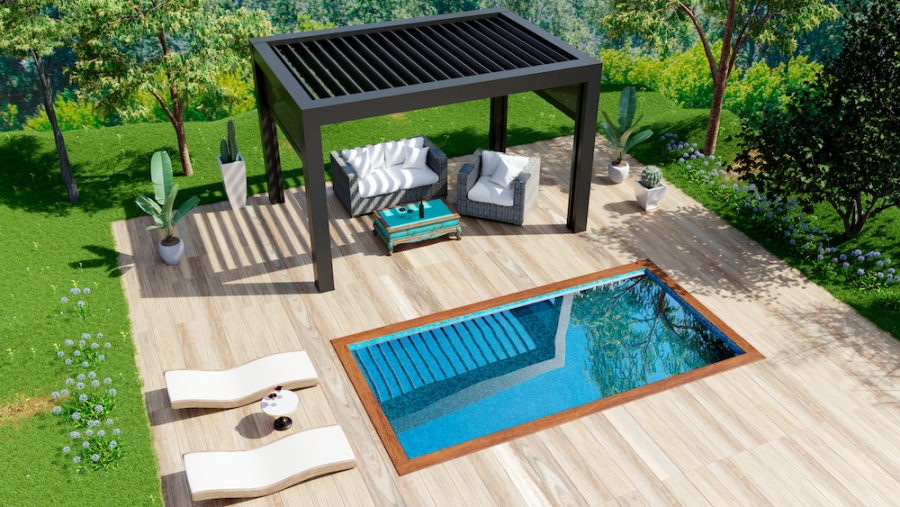
Timber decking has become an increasingly popular option for outdoor living spaces in recent years.
Whether you want to create an outdoor entertainment area, a peaceful retreat, or simply add value to your home, a well-designed timber deck can transform your backyard into a functional and attractive space. In this guide, we will explore the benefits of timber decking, discuss the types of timber options available, and provide valuable tips for designing, building, and maintaining your timber deck.
Benefits of Timber Decking
Timber decking offers a range of benefits that make it a popular choice for outdoor living spaces. Some of the primary advantages include:
Natural Aesthetic: Firstly, timber is a natural material that blends seamlessly with the outdoor environment. It’s warm and inviting, creating a comfortable and relaxed atmosphere.
Durability: Secondly, timber is a durable material that can withstand the elements, making it an ideal choice for outdoor use. With proper maintenance, timber decking can last for many years, providing a long-lasting outdoor living solution.
Customizable: Finally, timber decking is easy to install and can be customized to suit your individual taste and style. You can work with a professional timber deck builder to create a unique and personalized outdoor space.
Types of Timber for Decking
When choosing the right timber for your deck, it’s essential to consider factors such as local climate, your budget, and aesthetics. Here are some popular types of timber for decking:
1. Hardwood
Hardwood is a popular choice for decking as it is durable and resistant to wear and tear. Some popular hardwoods include Merbau, Spotted Gum, and Jarrah. Hardwood timber decks are typically more expensive than other decking materials, but they offer a higher level of durability and can last for decades with proper care.
2. Softwood
Softwood is a less expensive option than hardwood and is suitable for areas that don’t receive heavy foot traffic. Some popular softwoods include treated pine and Cedar. Softwood timber decks can be a cost-effective alternative to hardwood, but they may require more frequent maintenance to ensure longevity.
3. Composite
Composite decking is made from wood fiber and plastic, creating a low-maintenance and long-lasting option. It is available in various colors and textures and is resistant to rot, insect damage, and fading. Composite decking can be more expensive upfront, but it offers the advantage of minimal maintenance and a longer lifespan, making it an increasingly popular choice for homeowners.
Choosing the Right Timber for Your Deck
The right timber for your deck will depend on several factors. Here are some key considerations:
Climate: Firstly, consider the climate in your area and choose a timber that can withstand the local conditions. Certain species may be more suitable for specific climates, so consult with your timber deck builder for recommendations.
Foot Traffic: Secondly, consider the amount of foot traffic the deck will receive and choose a durable timber resistant to wear and tear. For example, hardwoods tend to be better suited for high-traffic areas than softwoods.
Style and Design: Finally, consider the style and design of your home and choose a timber that complements the existing architecture. The right timber will not only enhance your outdoor living space but also add an attractive visual element to your property.
Designing and Building Your Deck
Designing your deck is an important part of the process, as it will determine the overall layout, function, and aesthetic of the space. Consider the following aspects:
Function: Will your deck be used for entertaining, dining, or relaxing? Do you need to include any features such as seating, lighting, or shade? The intended use of the deck will influence its design, so plan accordingly.
Size and Shape: Consider the size and shape of the deck, as well as the placement of any stairs or access points. The dimensions of the deck should be proportionate to the size of your backyard, ensuring that it doesn’t overpower the available space.
Building Code Compliance: When building your deck, ensure that it is structurally sound and built to code. Use the appropriate materials and hardware to ensure the deck is properly supported and anchored. Consulting with a professional timber deck builder can help guarantee that your deck meets local building regulations.
Drainage and Environmental Factors: It’s also important to consider the slope and drainage of the area, as well as any nearby trees or structures that could impact the deck’s stability. Ensure that proper measures are taken to avoid water damage and prolong the lifespan of your timber deck.
Maintenance and Care
Proper maintenance and care are essential for keeping your timber deck in prime condition. Here are some best practices:
Cleaning: Clean the deck regularly, removing any debris or dirt, and washing the surface with a mild detergent or specialist deck cleaner, as needed. This helps to prevent the build-up of dirt and grime, which can contribute to premature wear and staining.
Protective Coating: Apply a protective coating, such as an oil or stain, to help prevent water damage and rot. Regularly reapply the coating according to the manufacturer’s recommendations to maintain its effectiveness.
Inspections and Repairs: Inspect the deck regularly for any signs of damage, such as loose boards or rotting timber, and make any necessary repairs as soon as possible. Regular maintenance and prompt attention to issues can help prolong the life of your timber deck.
Reasons to Consider Timber Decking Services
Professional timber decking services offer numerous benefits, including:
Expertise: By working with experienced professionals, you can ensure that your deck is built to the highest standards, using quality materials and adhering to local building codes. This investment in expertise will result in a durable, attractive, and functional outdoor space.
Customization: Hiring a timber decking service allows you to create a unique and personalized outdoor space that meets your specific needs and preferences. With their experience in installing various designs, you can have confidence that your deck will be tailored to your vision.
Convenience: Outsourcing the design, installation, and maintenance of your timber deck to a professional service saves you time and effort, helping to ensure a stress-free process and a high-quality finished product.
Conclusion
Timber decking services can provide a wide range of benefits for homeowners looking to enhance their outdoor living space, increase the value of their property, and create a beautiful and functional area for relaxation and entertainment.
By choosing the right timber, designing a functional and attractive space, and performing regular maintenance and care, you can enjoy your timber deck for many years. Investing in a professional timber decking service can help ensure a high-quality, attractive, and durable outdoor living solution tailored to your specific needs, preferences, and vision.