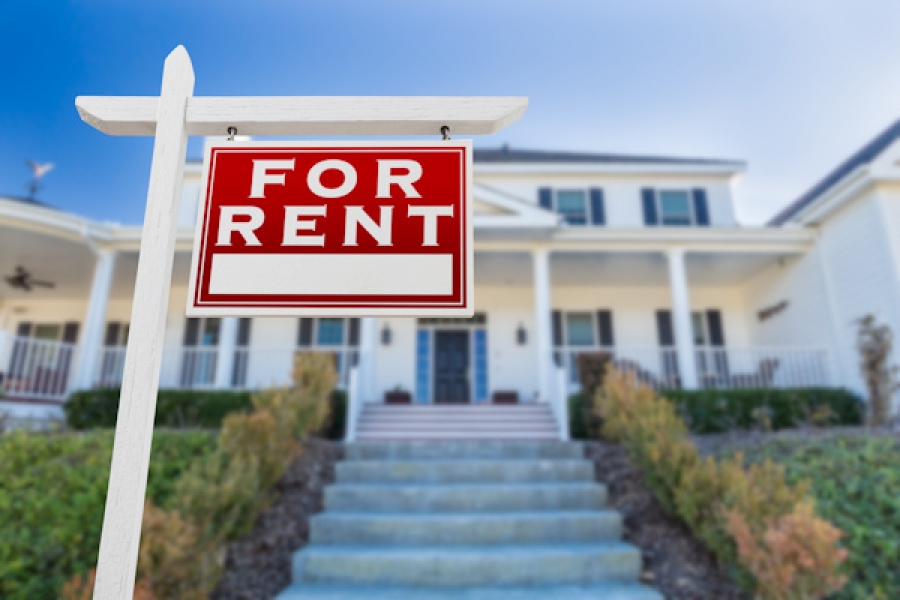
How to Buy Your First Rental Property: A Step-by-Step Guide for a First-Time Investor
Welcome to the exciting world of real estate investing!
It's a journey that can be as challenging as it is rewarding, but it promises a future filled with financial stability when done right.
Now, if you're wondering why rental properties should be your choice of investment, let me tell you, there's a laundry list of reasons.
Rental properties are tangible assets you can see, touch, and feel.
They are a steady source of income, relatively immune to the stock market's wild swings. And not to mention they also provide an excellent hedge against inflation.
Plus, you can leverage your investment to buy more properties. In other words, rental properties can be the golden goose laying a steady stream of other golden eggs if you know how to manage your portfolio and take calculated risks.
In the following sections, we'll delve into the nitty-gritty of buying your first rental property.
From understanding the basics of real estate investment and setting your investment goals to getting your finances in order, we'll guide you every step of the way.
Understand Real Estate Investing
Real estate investments, specifically rental property investing, is an adventure.
It involves buying a property, often with borrowed capital, and then renting it out to tenants. Your tenants pay rent that covers the mortgage, taxes, and maintenance costs, while any leftover sum becomes your income (yes, passive income!).
The benefits of owning rental properties are numerous.
For starters, it provides a steady cash flow. This predictable income is typically higher than dividend yields from stock investments.
Secondly, rental properties appreciate over time. This means you'll enjoy capital growth as your property's value increases.
Lastly, let's not forget the tax benefits, like deducting interest costs, depreciation, and other expenses.
When it comes to real estate investing, success is our goal, but failure is sometimes inevitable. By failing we learn and grow as professionals and can in the future become an expert in the field of real estate investing.
Set Your Investment Goals
Before jumping into property ownership, setting clear investment goals is essential.
Are you looking for a short-term rental property to generate quick cash flow?
Or is your sight set on long-term growth and wealth accumulation? These goals will significantly influence your investment strategy.
Understanding the potential returns from cash flow and appreciation is critical.
Cash flow is the monthly income you'll receive from your rental property after all expenses are paid. On the other hand, appreciation is the increase in the property's value over time.
Both can contribute to a successful real estate investment strategy, so consider how they align with your financial goals.
Get Your Finances in Order
Investing in rental properties requires a significant financial commitment.
It's crucial to budget carefully, considering all potential costs, like:
-
Down Payment
-
Mortgage
-
Property Taxes
-
Insurance
-
Maintenance
-
Unexpected Repairs
-
… And Many More!
Good credit is also vital for securing favorable loan terms. The higher your credit score, the lower your interest rates will typically be. If your credit score needs a boost, start working on it now.
Down payment is another key aspect. Most lenders require 20-25% down for investment properties, though this can vary. Start saving early to make this initial investment hurdle less daunting. You can also leverage low-down payment FHA loans from the Federal Housing Authority
Decide on the Ideal Rental Property
There are different types of rental properties, such as:
-
Single-Family
-
Multifamily
-
Commercial Properties
-
And many more…
Single-family properties are often the easiest for first-time investors to manage, while multifamily and commercial properties can yield higher returns but may require more experience and larger capital.
Evaluating a rental property includes considering the location (proximity to schools, amenities, etc.), condition (does it need renovations?), and potential rental income. Always do your homework to ensure the investment will meet your financial goals.
Understand the Local Real Estate Market
Successful real estate investing requires knowledge of the local market. Conduct thorough research to understand the average rents, occupancy rates, local economy, and future development plans.
Key market indicators include average rents and prices, property demand, the local economy's health, and employment rates. Keep a keen eye on these indicators to choose a market with solid rental potential.
Assembling Your Real Estate Team
You don’t have to do this alone!
Assembling a team of trusted professionals can make your rental property investment journey smoother. Real estate agents can help find properties, attorneys ensure legal compliance, and accountants handle the financial intricacies.
Don't underestimate the importance of a reliable contractor for property maintenance and a property manager if you don't want to handle the day-to-day management of your rental property. Remember, real estate investing is a team sport! You can also leverage tools like a Property Management Software to help you manage your property, screen tenants, collect rent, and other important tasks.
Find and Analyze Potential Rental Properties
When you're on the hunt for potential properties, it's a bit like being a detective. You'll find yourself scouring online property sites, touching base with real estate agents, and even getting in on the action at auctions.
Each one of these options has its own perks, so don't hold back. Give them all a shot!
Once you've got a few properties on your radar, it's all about getting down to the nitty-gritty of the numbers. You're going to be figuring out stuff like the potential cash flow, return on investment (ROI), and capitalization rate (or cap rate, if you're in the know). Cracking these calculations will show you if a property is a smart move for your financial goals.
Secure Financing for Your Rental Property
Various real estate loans are available, such as:
-
Conventional mortgages
-
Federal Housing Administration (FHA) loans
-
… and more specialized options like bridge loans or hard money loans.
Consult with a financial advisor or mortgage broker to find the best fit for your situation.
The process of applying for a mortgage is getting pre-approved, submitting a loan application, undergoing a property appraisal, and closing the loan. This process can take several weeks, so patience is key!
Make an Offer and Close the Deal
When you've found a promising rental property, it's time to make an offer.
Negotiate the price and terms with the seller, often with the help of your real estate agent.
The closing process is the final step in buying your rental property. It includes finalizing the mortgage, paying closing costs, and signing a pile of paperwork. Once done, the keys are yours!
Manage Your Rental Property
When it comes to looking after a rental property, you've got a few tasks on your plate.
Think of collecting rent, sorting out tenant problems, and keeping up with property repairs. You can either roll up your sleeves and get into it yourself or let a property manager take the reins.
Whatever you prefer, one thing's certain–you must keep your tenants happy.
Happy tenants stick around, which means less time worrying about an empty property and a steady flow of rental income.
Remember, investing in rental property isn't just about bricks and mortar; it's also about people.
So, make sure to keep things friendly with your tenants. They're a big part of your investment success story.
Bottom Line
Whether you're captivated by the big-ticket deals you see on TV or just hunting for a reliable investment to diversify your portfolio, you're definitely onto something exciting and we can't wait to see you get started. We hope this guide was useful for you to get your ideas in order and wish you much success in your real estate investing career.