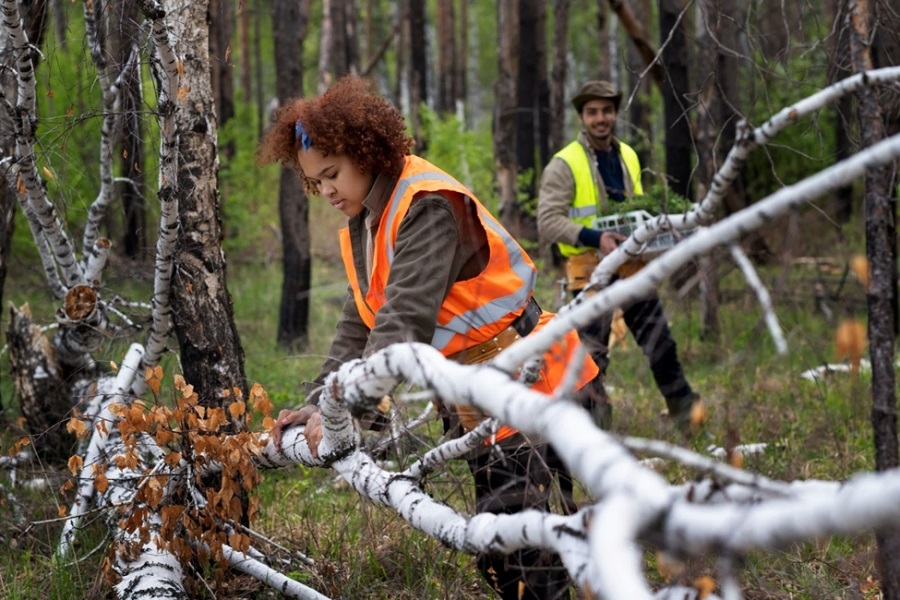
Tree trimming is an essential aspect of maintaining healthy, safe, and aesthetically pleasing trees. It involves the careful removal of specific branches or stems to benefit the whole plant. Trimming is performed for a variety of reasons, including removing dead or diseased limbs, shaping the tree for design purposes, and preventing potential hazards that can result from overgrown branches. Professionals in arboriculture understand which trimming techniques to use to promote the tree's health and longevity, taking into account the species, size, and maturity of the tree.
Safety is also a critical factor in the practice of tree trimming. Falling branches can pose risks to people, power lines, and nearby structures. Regular trimming helps to mitigate these risks by controlling the growth and weight distribution of a tree's canopy. In urban and suburban environments especially, it's important to manage trees to ensure they coexist safely with human activities.
When it comes to timing, not all seasons are equally suitable for trimming. Arborists recommend trimming during a tree's dormant season, which can vary depending on the species. However, some circumstances might necessitate immediate attention, such as branches damaged by storms or interfering with infrastructure. Understanding the best practices and proper timing is crucial for enhancing the tree's structure and ensuring a healthy growth pattern.
Benefits of Tree Trimming
Tree trimming is a critical maintenance practice that ensures trees remain healthy, safe, and visually appealing. Proper trimming techniques can lead to substantial benefits for trees and their surrounding environments.
Health Improvements for Trees
Regular tree trimming is crucial for the health and longevity of trees in Inverness. It involves the removal of dead or dying branches, which helps prevent the spread of decay and disease. This process also increases sunlight exposure and air circulation throughout the tree, benefiting the tree's overall health.
• Disease Management: Removing diseased limbs stops further infection.
• Sunlight and Air Flow: Enhances overall growth and health.
Safety Considerations
Tree trimming is essential for safety, as it keeps potentially dangerous limbs from causing harm. Overgrown or damaged branches can pose a risk to people, power lines, and surrounding structures during storms or windy conditions.
• Prevent Accidents: Eliminates weak branches that could fall.
• Protect Structures: Reduces the risk of limb damage to nearby buildings.
Aesthetic Enhancement
The aesthetic aspect of tree trimming cannot be overlooked. A well-maintained tree complements the landscape and increases property value. Trimming shapes trees to create a pleasing appearance and maintain desired structural integrity.
• Visual Appeal: Shapes trees for a cleaner look.
• Property Value: Well-trimmed trees can enhance property aesthetics, thereby potentially raising property value.
Best Practices for Tree Trimming
Effective tree trimming is critical to maintain a tree's health, ensure safety, and enhance its aesthetic appeal. This section outlines key approaches and considerations.
Timing and Seasonality
Tree trimming in Inverness Texas should align with the tree's growth cycle. The best time is typically late winter or early spring before the growth season begins. Trimming during dormancy reduces stress on the tree and results in vigorous spring growth.
Trimming Techniques
Proper technique ensures clean cuts that heal efficiently. Some important techniques include:
• Thinning: Removes branches selectively to increase light penetration and air flow through the crown.
• Raising: Involves trimming lower branches to provide clearance for vehicles, pedestrians, and buildings.
• Reduction: Reduces the tree's size, usually for utility line clearance or to clear space.
Equipment Usage
The right equipment is crucial for effective trimming. Equipment should be sanitized between trees to prevent the spread of disease. Regular maintenance of equipment ensures cleaner cuts and a safer work environment.
Users should be trained and wear protective gear.
• Pruning Shears: For branches up to ¾ inch in diameter.
• Lopping Shears: For branches up to 2 ½ inches in diameter.
• Pruning Saws: For larger branches.
Safety Equipment:
• Helmet with face shield
• Protective gloves
• Safety glasses
Tree Trimming Safety
Tree trimming is a high-risk activity that necessitates proper safety measures. The implementation of personal protective equipment, situational awareness, and special precautions around power lines are critical to preventing injuries.
Personal Protective Equipment
Hard hats protect against falling branches and debris. They are an essential part of the safety gear. Eye protection such as safety goggles or glasses is mandatory to shield eyes from wood chips or sawdust. To avoid cuts and abrasions, gloves should be worn, preferably those that offer a good grip and are resistant to punctures. Chainsaw chaps or pants provide a layer of protection against potential chainsaw mishaps. Lastly, sturdy, non-slip boots are necessary for a stable footing on uneven ground.
Awareness of Surroundings
Before starting the trimming process, one should always assess the environment. This includes looking for uneven terrain, slippery surfaces, and potential fall hazards. It's crucial to establish a drop zone where debris can fall safely, clear from people and property. Those engaged in tree trimming must maintain constant communication with any ground assistants and watch for signals or warnings about overhead hazards or changes in the environment.
• Assess the environment: Check for hazards.
• Establish a drop zone: Keep people and property safe.
• Communication: Maintain clear signaling with team members.
Dealing with Power Lines
When working in proximity to power lines, it is imperative to maintain a safe distance. Electrical safety distances are typically established by law and must be adhered to without exception. If tree limbs are near power lines, it's advisable to contact the utility company as they have the proper equipment and trained personnel to handle such situations safely. Never attempt to trim tree branches that are touching or in close proximity to power lines.
• Maintain safe distance: Follow legal electrical safety distances.
• Contact utility company: Let professionals handle tree limbs near power lines.
Hiring Professionals
Hiring a professional for tree trimming in Inverness ensures the job is done safely and effectively. It is crucial to consider their qualifications, costs, and past client experiences.
Assessing Qualifications
When hiring tree trimming professionals, verifying their credentials is essential. They should possess:
• Certifications: Look for certifications from reputable associations such as the International Society of Arboriculture (ISA).
• License: Ensure they have a valid business license to operate in your area.
• Insurance: Professionals should have liability insurance and workers' compensation to protect homeowners from any liabilities.
Understanding Cost Factors
The cost of tree trimming services can vary based on several factors. Homeowners should request detailed quotes and understand what affects the pricing, which typically includes:
1. Tree Size: Larger trees require more labor and equipment, leading to higher costs.
2. Tree Condition: Diseased or damaged trees might need special attention, affecting the price.
3. Location: Trees near buildings or power lines may present additional risks and complexity.
4. Emergency Services: Urgent situations, like post-storm cleanups, often come with a premium.
Evaluating Reviews and References
Homeowners in Inverness should not overlook the importance of reviews and references when selecting a tree trimming service. They should:
• Check online review platforms for overall ratings and recent feedback.
• Ask the professional for references and directly contact previous clients.
• Assess the consistency of positive feedback regarding their professionalism, punctuality, and quality of work.