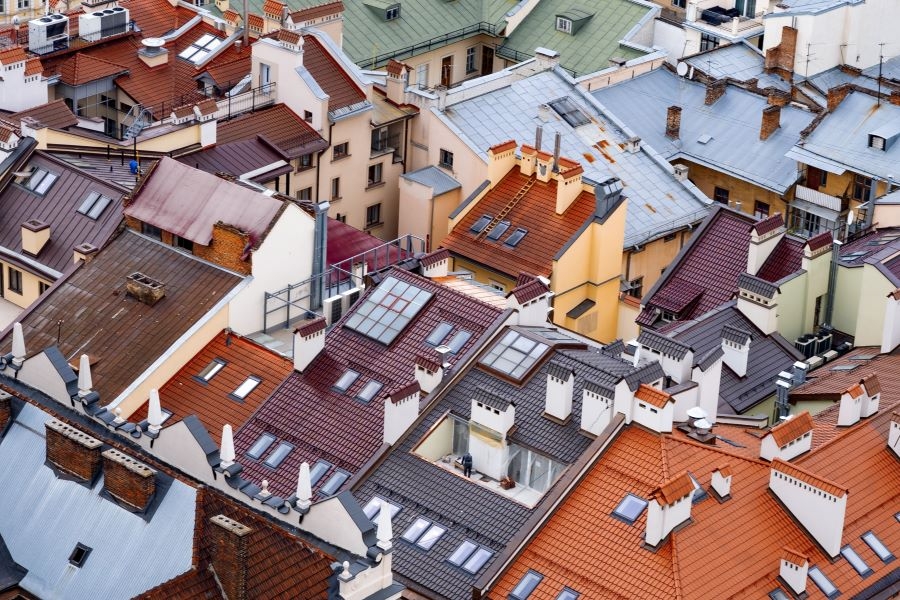
Selecting the appropriate roofing material is crucial, especially in regions with warm weather conditions where intense heat, UV rays, and occasional storms can impact your roof. If you are based in hot states such as Texas, Arizona or California, making the right choice can help maintain a cooler home environment, lower energy expenses, and prolong the lifespan of your roof. Here are the best ten roofing materials suited for warmer climates.
1. Clay Roof Tiles
Advantages
Clay tiles are a popular selection for hot regions because of their durability and ability to resist heat. They reflect sunlight, aiding in keeping the inside of your house cooler. Moreover, clay tiles are eco-friendly and can endure for more than 50 years with proper care. They also have fire-resistance properties and are resistant to pests and decay, enhancing their longevity and dependability.
Considerations
Clay tiles are relatively heavy; hence, your roof framework must be sturdy enough to support them. They may also come at a higher cost compared to other roofing options. Furthermore, their installation can be intricate, requiring skilled labor to ensure proper fitting and finishing touches. Regular upkeep is essential to prevent cracks and other forms of damage.
2. Concrete Roof Tiles
Advantages
Concrete tiles offer comparable benefits to clay tiles but are more affordable. Concrete tiles offer great heat resistance, durability, and a variety of styles and colors. They can last up to 40 to 60 years with minimal upkeep, being fire, insect, and rot resistant for long-term reliability.
Points to Note
Similar to clay tiles, concrete tiles are heavy and need a sturdy roof structure. They tend to absorb more water which can be problematic in rainy regions. Regular sealing and inspections are vital to avoid water damage and ensure their longevity.
3. Metal Roofing
Advantages
Metal roofing is ideal for warm climates as it reflects sunlight well, reducing cooling expenses. It is long-lasting (40 to 70 years), light in weight, fireproof, and resistant to mildew, insects, and rot. Moreover, metal roofs are often crafted from recycled materials and can be recycled at the end of their lifespan—a sustainable choice.
Considerations
Metal roofs may create noise during rain but proper insulation can minimize this issue. While they may have higher initial costs, the savings on energy bills over time make them a worthwhile investment.
Regular maintenance, like inspecting for loose or damaged panels, is crucial to ensure the long-lasting performance of your roof.
4. Terracotta Tiles
Advantages
Terracotta tiles, crafted from natural clay, are renowned for their exceptional strength and ability to regulate temperature. They reflect sunlight and promote air circulation beneath them, helping to keep residences cool. With a lifespan of up to a century, terracotta tiles are resilient against fire, pests, and decay. Their organic charm also enhances the visual appeal of your house.
Points to Consider
Terracotta tiles come at a higher cost and require a sturdy roof framework due to their weight. Regular upkeep is necessary to prevent moss and algae growth. It's recommended to conduct routine cleaning and inspections to preserve their appearance and effectiveness. The installation process may be labor intensive and should ideally be carried out by skilled professionals.
5. Slate Roofing
Advantages
Slate roofing stands as another excellent option for warmer climates. It boasts high durability, fire resistance, and natural cooling properties. If you are based in a fire-prone state such as Arizona, you should think about this option. Slate tiles have a lifespan exceeding 100 years, making them a wise long-term investment. Additionally, they lend an elegant and timeless aesthetic to your dwelling, elevating its overall value.
Points to Consider
Slate roofing ranks among the pricier choices and demands a reinforced roof structure due to its heftiness. On the other hand, money should not be an issue if you are living in Phoneix, where you definitely need a natural cooling roof. Installing roofing systems can be a tricky task that skilled professionals best handle. Also, It's crucial to maintain routine maintenance, so hiring Irish Roofing company from Scottsdale would be your best move. Their professionals will look for any damaged or loose tiles and inspect the roof, so you don’t have to worry.
6. Cool Roof Coatings
Advantages
Cool roof coatings can improve the reflectivity of different roofing materials when applied. By reflecting more sunlight and absorbing less heat, these coatings help lower roof temperatures and reduce cooling expenses. They offer a cost-effective way to boost energy efficiency by applying them on existing roofs.
Points to Consider
Periodic reapplication is necessary for cool roof coatings and their effectiveness relies on both the quality of the product and how well they are installed. They work best as an enhancement rather than a complete roofing solution. Regular checks and upkeep are essential to maintain the coating's effectiveness and integrity.
7. Green Roofs
Advantages
Green roofs, also called living roofs, involve planting vegetation over a waterproof system. They provide great insulation, reducing heat absorption and cooling expenses. Additionally, green roofs enhance air quality, minimize stormwater runoff, and create natural habitats for wildlife. They can turn urban areas into eco-friendly spaces.
Points to Consider
Maintaining green roofs involves more effort compared to traditional roofing materials as it requires regular watering and care for the plants.
Solar reflective shingles are heavier and require a sturdy roof structure. It's crucial to have proper planning and installation by professionals to ensure the roof's stability and efficiency. While the initial cost may be higher, the long-term environmental advantages often outweigh the expenses.
8. Solar Reflective Shingles
Benefits
These shingles are specifically designed to reflect more sunlight compared to traditional ones, lowering roof temperatures and cooling costs. They come in various styles and colors, striking a balance between aesthetics and performance. By enhancing energy efficiency, they can prolong your roof's lifespan by reducing thermal stress.
Considerations
Although solar reflective shingles may cost more than standard asphalt shingles initially, the energy savings can help offset this expense. Proper installation is essential to maximize their reflective capabilities. Regular maintenance such as cleaning and inspections is vital for ensuring ongoing effective performance.
9. White or Light Colored Roofs
Benefits
Roofs in white or light colors excel at reflecting sunlight, making them perfect for warm climates. These roofs can be crafted from different materials like metal, tiles or shingles. They aid in keeping your home cooler inside while cutting down on energy expenses. Moreover, their reflective qualities help diminish the heat island effect in urban regions.
Factors to Think About
Light roofs in bright colors tend to display dirt and stains more visibly compared to darker ones, which means they need regular cleaning. Despite this, their energy efficiency and cooling benefits make them a popular option. It is important to keep up with maintenance tasks like cleaning and inspections to preserve both their look and functionality.
10. Asphalt Shingles with Cooling Properties
Advantages
Asphalt shingles that come with cooling properties are a cost-effective choice for regions with hot climates. These shingles reflect more sunlight than standard asphalt shingles, leading to lower roof temperatures and reduced cooling expenses. They come in a variety of colors and designs, offering versatility as an option. Moreover, they are simple to set up and take care of.
Points for Consideration
Although asphalt shingles featuring cooling elements outperform regular asphalt shingles, they might not match the longevity or durability of materials like metal or tiles used in roofing. It is crucial to carry out routine maintenance tasks to uphold their lifespan. Periodic inspections and cleaning are necessary steps in preventing damage and preserving their reflective qualities.
Final Thoughts
Selecting the appropriate roofing material for warmer regions involves weighing factors such as reflectivity, durability, upkeep requirements, and the costs involved. While clay tiles, concrete tiles, metal roofing options, terracotta tiles, and slate roofing offer remarkable longevity and thermal performance benefits, they may demand a sturdier roof structure upfront investment.
Choosing the right roofing materials such as cool roof coatings, green roofs, solar reflective shingles, light-colored roofs and asphalt shingles with cooling granules can offer cost-effective and energy-efficient alternatives.
To improve your home's comfort, lower energy expenses, and extend your roof's lifespan, it is essential to select the most suitable roofing material. Seek advice from roofing experts to identify the optimal choice based on your specific requirements and local climate conditions. Properly installing and regularly maintaining your roof are key factors in maximizing the advantages of your chosen roofing material. Making a wise investment in the appropriate roofing solution can have a significant impact on enhancing your home’s energy efficiency, comfort levels, and overall property value.