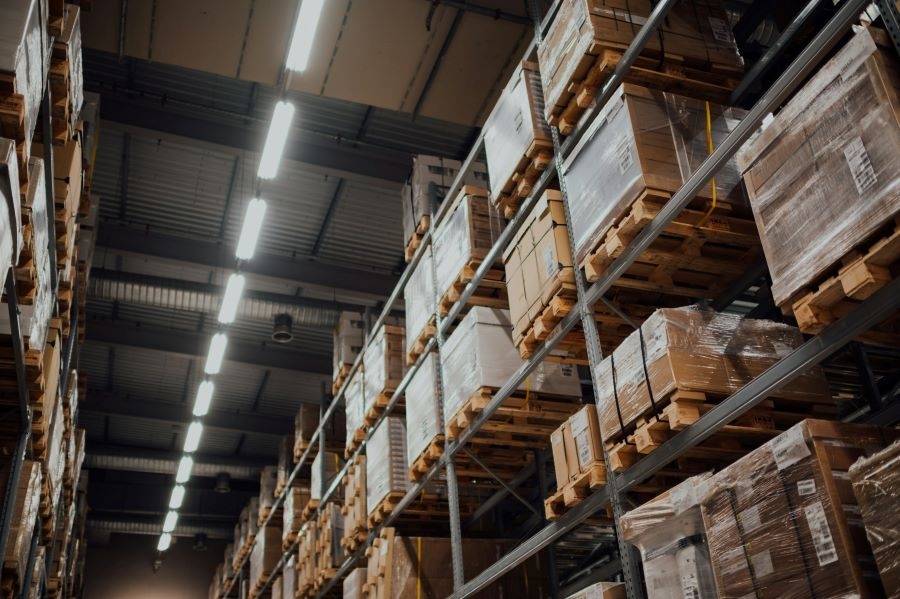
Keeping your inventory in perfect condition to minimize stock damage is crucial for any business. Proper inventory management not only ensures that products are available when customers need them, but also minimizes the risk of damage, loss, and spoilage.
Failing to protect your inventory can lead to significant financial losses, increased operational costs, and damaged customer relationships.
However, it can be extremely difficult to keep 100% of your inventory in perfect condition at all times. Factors such as human error, unforeseen accidents, and environmental issues like pest infestations can significantly compromise the integrity of your stock.
This blog will help you navigate the complexities of inventory management by offering practical strategies to minimize stock damage.
What is the Meaning of Spoiled Stock, and Is it Normal to Experience It?
As a business owner, it’s vital to familiarize yourself with the term “spoiled stock.” This term describes inventory that has deteriorated so it can no longer be sold or used.
Each company experiences spoilage in its stock no matter how meticulous the management processes are. The goal is to keep spoilage under or at a “normal” level.
Normal spoilage refers to the expected amount of deterioration that naturally occurs during the handling, storage, and transportation of inventory. The normal spoilage rate can vary from business to business, but it's normally calculated by analyzing past inventory data and identifying consistent patterns of loss.
Here are some helpful tips on how you can keep your normal spoilage rate low and reduce product damage in your warehouse.
How To Reduce Product Damage In Your Warehouse
1. Implement Proper Storage Solutions
Having appropriate shelving and storage units cannot be overstated when it comes to maintaining the quality and safety of your inventory. Well-organized storage prevents items from being crushed or damaged and makes tracking stock levels easier.
Additionally, investing in high-quality storage units can prevent environmental damage, such as moisture buildup, and make regular inventory checks more efficient.
2. Use Quality Packaging Materials
Durable packaging protects products from physical damage, such as crushing or impacts, and from environmental factors like moisture and dust. This not only helps maintain the integrity and appearance of your products but also reduces the risk of returns and customer dissatisfaction.
Here are some ways to improve your product’s packaging and better protect them:
• Secure products on pallets using stretch wrap or shrink wrap. This keeps items stable during movement within the warehouse and prevents them from toppling or shifting.
• Invest in stackable and modular bins that offer flexibility and protection for smaller items.
• Use foam padding, bubble wrap, or cardboard dividers between items to prevent them from knocking into each other and causing damage.
3. Use Inventory Management Software
A relatively new technique most businesses are now adapting is inventory management software. This software offers precise, up-to-date information on stock conditions and placement.
It also gives automated warnings to allow for immediate action on issues such as improper storage or mishandling. Some features you should consider when looking for inventory management software are:
• Real-Time Inventory Tracking: Provides live updates on stock levels and locations.
• Barcode and RFID Integration: Simplifies scanning and tracking processes, reducing manual errors.
• Automated Alerts: Notifies you of low stock levels, potential overstock, or anomalies.
• Reporting and Analytics: Offers detailed reports and insights into inventory trends and performance.
• User-Friendly Interface: Ensures ease of use for all team members, minimizing training time
4. Control Environmental Conditions
Whether you have a small warehouse or a large storage facility, temperature can greatly influence the condition of your inventory. To preserve the quality and longevity of your stocks, control your warehouse’s temperature and humidity.
Fluctuations in temperature can lead to product degradation, while excessive humidity can cause mold, rust, or other forms of damage. For items particularly sensitive to environmental changes, climate-controlled storage is essential.
These systems allow you to set and maintain specific temperature and humidity levels, creating the ideal conditions for your inventory. By investing in climate-controlled storage, you can significantly reduce the risk of environmental damage, ensuring your products remain in excellent condition.
5. Perform Regular Inventory Inspections (including pest control)
Routine inspections of your storage facility are essential for maintaining the integrity of your inventory. Schedule regular checks to identify any potential issues early, such as structural damage, leaks, or signs of wear and tear.
These inspections must also include pest monitoring to keep your warehouse protected from infestations. Look for evidence such as droppings, chewed packaging, and nesting materials. Warehouses often attract rodents, beetles, moths, and birds. If you find any signs of infestation, contact the pest control experts immediately to address the issue and safeguard your inventory from potential or further damage.
6. Implement a First-In, First-Out (FIFO) System
First-In, First-Out (FIFO) is an inventory strategy, where the earliest received or manufactured items are the first to be dispatched or used. This method promotes the consistent rotation of stock, ensuring older products are utilized before newer ones.
By systematically rotating inventory, you avoid the accumulation of outdated or expired items. This reduces waste and minimizes potential losses, ensuring that your inventory remains fresh and in optimal condition.
Wrapping It Up
Minimizing stock damage requires a multi-pronged approach. By implementing the strategies outlined above, you can significantly reduce the risk of damaged goods and ensure your inventory remains in top condition. Remember, even minor damage can impact your bottom line and customer satisfaction.
In conclusion, prioritize using appropriate storage solutions, high-quality packaging, and a robust inventory management system. Controlling environmental conditions, performing regular inspections, and adopting a FIFO system are all crucial steps in safeguarding your stock and minimizing losses. By taking proactive measures, you can ensure your inventory is always ready to meet customer demands.
About the Author

Luqman Butter is a certified pest exterminator with over a decade of experience in wildlife removal and pest control in Toronto, Canada. He has had the pleasure of dealing with every pest imaginable, from bed bugs to rats, skunks, snakes and bats. His passion for pest and wildlife control has led him to become a trusted voice in sharing knowledge and information about pest and wildlife control with the mission to educate people on how to deal with various pest issues in the most effective way possible.