
Ever wonder how towering skyscrapers, sturdy bridges, and perfect driveways all come to life with seamless concrete surfaces? The secret lies in using a concrete pump, a robust construction tool that makes builders' work easier.
Understanding how concrete pumps work can be useful for homeowners planning their next extensive home renovation or construction project. Regardless of the task you want to undertake, knowing the ins and outs of concrete pumps can save you time, money, and lots of manual labor.
This article breaks down everything you need to know about concrete pumps. Read on to discover how this innovative solution can transform your dream home into a reality!
What Is A Concrete Pump
The construction industry is booming, and workers need efficient tools to keep construction projects moving. A concrete pump makes pouring that thick mixture a breeze. These machines transfer liquid concrete from a concrete pump truck and get where it needs to go through a long hose. No more backbreaking labor of hauling buckets!
The best part? You don't have to buy your own concrete pump to enjoy its benefits; you can rent one from reputable construction equipment suppliers such as Jaws Concrete Pumping or other renowned providers in your area. With a concrete pump rental, you can tackle tough jobs like the pros.
Types Of Concrete Pumps
There are two primary types of concrete pumps:
Concrete Boom Pumps
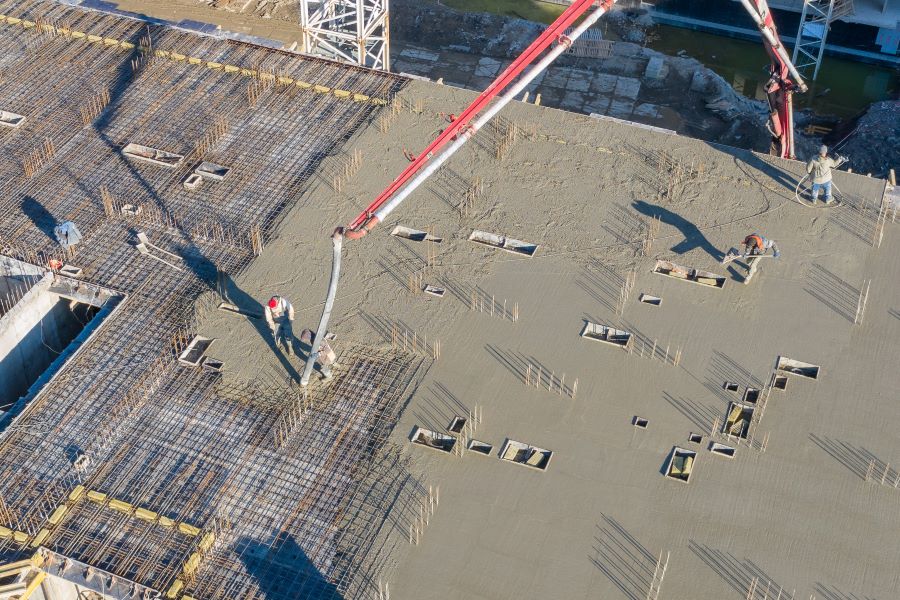
Concrete pumps are mounted on mix trucks and use an awesome robotic arm (boom) to reach towering heights and distant spots. No more hauling heavy buckets up endless flights of stairs—boom pumps effortlessly send that liquid concrete mix soaring up to lofty floors of skyscrapers.
You can also use these pumps for a sprawling construction project like a massive bridge or stadium complex, accurately pumping concrete at a distance. From high-rise apartments to highway overpasses, boom pumps deliver that liquid with precision.
Concrete Line Pumps
A concrete line pump uses heavy-duty hoses to snake concrete wherever you need it. Unlike pump truck-mounted concrete boom pumps built for massive high-rise jobs, concrete line pumps provide a compact, maneuverable solution perfect for any home renovation. It's concrete power and precision in a portable package.
How Do Concrete Pumps Work?
Concrete pumps make home construction projects a breeze. They use robust mechanical and hydraulic systems to suck up thick concrete and push it through long hoses or robotic arms to where you need them. The process involves several components and steps:
Receiving Hopper
The process starts with the hopper, or that giant funnel, into which you initially pour the thick concrete mix. The hopper has an agitator that ensures the concrete constantly churns and moves. This guarantees a smooth, steady flow when it's time to start pumping.
Pumping System
Once you load that concrete into the hooper, get ready to start pumping. The concrete pumping system has a heavy-duty hydraulic system driving two huge pistons. As one piston pulls that thick mix from the hopper, the other simultaneously pushes it through the long hoses or robotic arm. This piston team takes turns sucking and pushing in a continuous concrete cycle.
Delivery Pipeline
After concrete pumping, it's up to the delivery system to get the mixed concrete where you want it. For a big concrete boom pump, the liquid rock flows through pipes attached to that robotic arm. If you're working with the concrete line pump, the concrete heads through heavy-duty, flexible hoses that stretch in any direction.
With both systems, that concrete travels a modern pipeline customized to your job for seamless, hassle-free pouring every time. Its liquid smoothing power is suited to your specific construction needs.
Control System
You don't need to worry about complicated controls—modern concrete pumps make it super easy for homeowners and contractors to direct that thick mixture to where they want it. These machines come with advanced systems that let you adjust the concrete flow rate and pressure. With just a few taps, you're pumping that concrete at the perfect pace to fill forms or repair cracked sections.
Benefits Of Using A Concrete Pump
Concrete pumps offer many benefits for homeowners undertaking DIY (do-it-yourself) projects and construction professionals. They include the following:
Efficiency
Concrete pumps come in handy when it comes to efficiency. Instead of wasting hours transferring concrete by hand, these powerful machines effortlessly transport that thick, heavy mix wherever you need it in a flash. They allow you to complete renovation jobs like a pro in no time.
Precision
Don't settle for sloppy concrete pump work. With a concrete pump, you get pinpoint pour precision every time, as they et you accurately target and fill even those hard-to-access areas around the yard. Pouring concrete in hard-to-reach places like behind retaining walls or stairs becomes easier.
Reduced Labor
Say goodbye to backbreaking concrete work around the house. These ultimate concrete laborers take all the strenuous lifting and pouring off your plate. They're the wise solution to minimize labor pains for homeowners or contractors tackling big renovation projects.
Versatility
Concrete pumps are the ultimate home renovation heroes, mastering everything from big jobs to minor repairs. These powerful machines transport concrete anywhere you need it. From massive makeovers to little concrete touch-ups, pumps flex to handle any household project's needs.
Concrete Pump Considerations For Homeowners
Before deciding to use a concrete pump for any construction project, there are several factors homeowners should consider:
Project Size And Scope
Evaluating the size and scope of the construction project you want to undertake is crucial before deciding on a concrete pump. A minor driveway extension or patio pour might be well-suited for a compact, cost-effective, and easy-to-maneuver concrete line pump. However, for larger-scale endeavors like a complete basement renovation or multi-story addition, a powerful concrete boom pump could be the wiser choice.
Accessibility
Construction site accessibility is a crucial factor to consider before tackling a concrete project. Tight spaces, awkward angles, or distant pour locations can complicate things.
For instance, building a new concrete driveway may require working around landscaping, fences, or the home itself. A boom pump allows you to guide the concrete right where it needs to go without damaging your property. So, make sure your project doesn't turn into a logistical nightmare. Examine the job site accessibility early on to choose the right concrete equipment.
Weather Conditions
Factoring in weather conditions for your concrete project is also essential. Extreme temperatures, heavy rain, or strong winds can impact the quality of your driveway, patio, or basement renovation.
A scorching summer day, for example, could lead to the concrete drying too quickly before it's even poured, resulting in cracks and an uneven finish. Freezing winter temperatures, on the other hand, might prevent proper curing altogether. Inclement weather affects the concrete and can hinder the pump's performance.
Cost
Budgeting for a concrete project is crucial. While concrete pumps offer incredible time-saving benefits, the associated costs are an essential consideration. However, the potential savings on labor and efficiency gains might make it a worthwhile investment. You can reduce workforce needs and complete the job faster.
So, it's wise to weigh all factors wisely. Don't let sticker shock deter you from a smooth, streamlined process. Evaluate the overall value a concrete pump brings to your unique project needs. The right choice could save you time, money, and endless backbreaking work.
Operator Expertise
Proper operation of concrete pumps requires expertise to ensure safety and efficiency on the job site. When hiring a beginner operator – one small mistake could lead to costly delays or dangerous accidents. An inexperienced person struggling to maneuver that long boom arm could damage your property or cause concrete to flow haphazardly.
Hire a seasoned professional who knows every inch of that equipment. They'll guide the concrete where it needs to go and follow all safety protocols. Renting from a reputable company is also advisable, as they vet and train their operators. These companies understand the importance of skilled hands for a seamless, safe pour.
Permits And Regulations
When planning a concrete project, remember permits and regulations. Using a concrete pump might seem straightforward, but local rules could throw a wrench in your plans. For instance, certain municipalities require special permits just for operating a boom pump over a specific height. Missing that detail could lead to fines and costly delays.
So, before breaking ground, contact your local authorities to understand concrete pump requirements in your area. Overlooking a single regulation could bring your project to a screeching halt, and you may have to pay fines and penalties.
Conclusion
Concrete pumps have revolutionized the construction industry, offering homeowners a powerful and efficient tool for a wide range of projects. From large-scale renovations to minor backyard improvements, understanding how a concrete pump works and its benefits can enhance your project's outcomes. These machines save time, reduce labor, and provide precision and consistency that traditional methods can't match. However, remember to evaluate the size and scope of your project and other factors discussed above when purchasing a concrete pump. Choosing the right pump will allow you to achieve professional-quality results with less effort and greater efficiency.