When it comes to selling a home, the age-old adage "you only get one chance to make a first impression" rings truer than ever. The way a home is presented can make all the difference between a potential buyer's lukewarm interest and a must-have mentality.
Home staging, the art of strategically preparing a property for sale, is a crucial aspect of the real estate process that can significantly impact the sale price and speed of a transaction. But what exactly drives buyers to fall in love with a home, and how can sellers harness the power of psychology to create an irresistible atmosphere that seals the deal?
In this post, we'll delve into the fascinating world of home staging, exploring the psychological triggers that convert a "meh" into a "must-have," and uncover the secrets to creating a show-stopping space that buyers can't resist.
The Power of Staging: Why it Matters in Real Estate
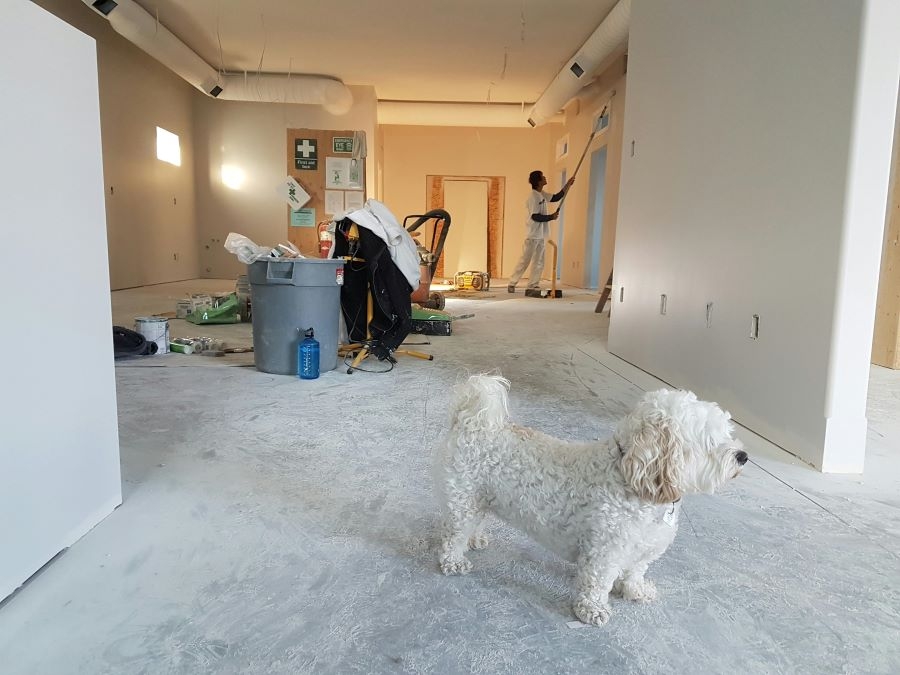
Imagine walking into a home that's been stripped bare of its personality, leaving only empty rooms and a sense of sterility. The walls are a drab beige, the floors are cold and uninviting, and the overall atmosphere is, well, underwhelming.
This is the exact opposite of what you want potential buyers to experience when they step into your property. Yet, this is precisely what many sellers unintentionally offer, hoping to attract buyers with a blank canvas. The truth is, an empty or poorly staged home can be a major turnoff, making it difficult for buyers to envision themselves living there.
On the other hand, a well-staged home is like a warm hug, inviting buyers to imagine their own lives unfolding within its walls. It's a masterfully crafted experience that whispers, "You could live here, and live well." By carefully curating the space, you can create an emotional connection with potential buyers, making them more likely to fall in love with your property and, ultimately, make an offer.
In today's competitive real estate market, staging is no longer a nicety, but a necessity. By understanding the psychology behind staging, you can transform your property from a mere "meh" to a must-have, and reap the rewards of a faster sale and a higher selling price.
The Psychology of Home Buying: What Drives Buyers' Decisions
When it comes to buying a home, it's not just about the number of bedrooms, square footage, or location – it's an emotional decision. Homebuyers are not just looking for a place to live, they're searching for a sense of belonging, a place to create memories, and a reflection of their personal style.
In fact, research suggests that 80% of homebuyers make an offer on a home within 15 minutes of viewing it, and the majority of them cite "emotional connection" as the driving factor behind their decision.
As a seller, understanding the psychology of home buying can be a game-changer. It's not just about showcasing the features and amenities of your property, but about creating an emotional connection with potential buyers.
This means appealing to their desires, aspirations, and values. By staging your home to sell, you're not just decluttering and depersonalizing – you're crafting an experience that allows buyers to envision themselves living in the space. You're creating a sense of possibility, of potential, and of belonging. By tapping into the emotional drivers of homebuyers, you can turn your property from a "meh" into a "must-have", and ultimately, drive up the sale price.
The "Meh" Factor: Why Unstaged Homes Fall Flat
Imagine walking into a home that's as blank as a canvas. The walls are bare, the furniture is sparse, and the overall atmosphere is as dull as a gray sky. This is what potential buyers often encounter when they step into an unstaged home.
The lack of visual appeal, the absence of emotional connection, and the inability to envision themselves living in the space all combine to create the "Meh" Factor – a feeling of indifference that can be a major turnoff for buyers.
Unstaged homes often lack the warmth and personality that makes a house feel like a home. They can appear cold, uninviting, and even a bit sterile. Without the careful placement of furniture, decor, and accessories, the space can feel empty and unlivable. Buyers may struggle to imagine their own belongings in the space, or picture themselves hosting family gatherings or relaxing on the couch.
The result? A lack of emotional connection, and a sense of detachment that can make it difficult for buyers to see themselves living in the home. By failing to create an emotional connection with buyers, unstaged homes can fall flat, leaving buyers underwhelmed and uninspired.
The Science of Emotional Connection: How Staging Taps into Buyers' Emotions
When it comes to selling a property, it's not just about showcasing the physical space, but about creating an emotional connection with potential buyers. Staging is a powerful tool that helps tap into this emotional realm, making buyers feel like they can envision themselves living in the space.
The science behind it lies in the way our brains process information. When we see a beautifully staged room, our brains automatically start to tell a story. We imagine ourselves hosting dinner parties in the elegantly set dining room, or curling up with a good book in the cozy, inviting reading nook.
This emotional connection is what sets staging apart from a mere listing of features and amenities. By creating a sense of warmth, comfort, and belonging, staging helps buyers form a deep emotional attachment to the property, making it feel like home. And when that happens, the "meh" of a mere listing becomes a "must-have" in the eyes of the buyer.
The Role of Visual Perception in Home Buying
The way we perceive a space has a profound impact on our emotional connection to it. When it comes to buying a home, visual perception plays a crucial role in shaping a potential buyer's impression. Our brains are wired to respond to visual cues, and when we walk into a space, our eyes quickly scan the room, taking in the layout, lighting, colors, and overall aesthetic. This initial impression can either spark excitement and curiosity or leave us feeling underwhelmed.
In the context of home staging, visual perception is key to creating an emotional connection between the buyer and the property. By strategically arranging furniture, selecting a color palette, and adding decorative elements, you can manipulate the visual flow of a room, drawing the buyer's attention to its best features and creating a sense of warmth and invitation. A well-staged space can even influence the buyer's perception of the property's size, making a small room feel more spacious or a dark room feel brighter.
Moreover, visual perception is closely tied to memory and recall. When a buyer can easily visualize themselves living in a space, they're more likely to remember it and feel a stronger connection to it. By creating a sense of possibility and potential, you can transform a mere listing into a must-have property that buyers will clamor for.
How Staging Affects Buyers' Perceived Value of a Home
The art of staging is not just about decluttering and rearranging furniture; it's a psychological game-changer that can significantly impact a buyer's perceived value of a home. When a property is staged, it's not just the physical space that's being showcased, but the potential lifestyle that comes with it.
A well-staged home creates an emotional connection with the buyer, making them imagine themselves living in the space, hosting family gatherings, and creating memories. This emotional connection is a powerful influencer, as it shifts the buyer's focus from the price tag to the value they'll derive from the property.
In fact, studies have shown that staged homes can increase the perceived value of a property by up to 10%, and even sell for up to 17% more than their unstaged counterparts. By creating a sense of warmth, comfort, and possibility, staging can transform a buyer's initial "meh" into a resounding "must-have."
The Impact of Staging on Online Listings
The digital age has revolutionized the way we buy and sell, and online listings have become a crucial part of the real estate game. But, have you ever stopped to think about the psychological impact of staging on those online listings?
It's a game-changer. When potential buyers scroll through online listings, they're not just looking for facts and figures; they're seeking an emotional connection with the property. And, let's be honest, a cluttered, poorly lit, and messy space is not exactly the stuff dreams are made of.
On the other hand, a beautifully staged property tells a story, evokes a sense of warmth and welcome, and invites the buyer to imagine themselves living there. It's a subtle yet powerful psychological trigger that can make all the difference between a lukewarm response and a bidding war. By incorporating staging principles into your online listings, you can create an emotional connection with potential buyers, build anticipation, and ultimately drive up interest and offers.
It's no longer just about showcasing a property; it's about crafting an experience that resonates with buyers on a deeper level. If you're looking to sell your house fast in Louisville, high-quality photos and virtual tours are essential for capturing attention and generating leads.