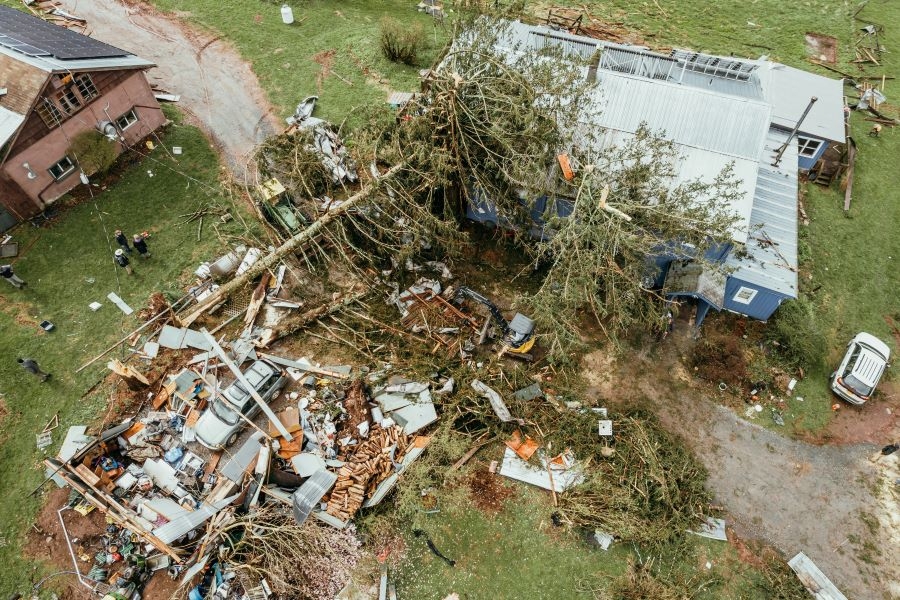
When natural disasters strike, the level of preparedness can make all the difference. Ensuring that schools and businesses have solid plans in place is crucial for minimizing risks and protecting lives. From organizing regular emergency drills to establishing clear communication channels, preparation helps everyone stay calm and act effectively during a crisis.
You might not think about it often, but having a plan for these unexpected events is a form of communal responsibility. By taking the time to initiate and follow through with preparation measures, you're not just safeguarding property—you're safeguarding people. And when everyone knows their role and the proper steps to take, the likelihood of chaos and confusion diminishes dramatically.
Preparation Strategies
Preparing for natural disasters involves a proactive approach. You'll need detailed plans, dedicated teams, effective communication, and regular training to ensure everyone's safety.
Developing an Emergency Plan
Creating a comprehensive emergency plan is crucial. Begin by identifying potential risks specific to your location. Outline procedures for evacuation, sheltering in place, and medical emergencies. Assign roles to staff or students, ensuring everyone knows their responsibilities. Make sure to include contingencies for special needs individuals and communication with local emergency services.
Checklist for your emergency plan:
• Identify potential risks
• Define clear, actionable procedures
• Assign specific roles
• Include contingencies for special needs
Building a Response Team
A well-organized response team can make a big difference during a disaster. Select team members based on their skills and readiness to act under pressure. Train them in various emergency procedures such as first aid, fire safety, and search and rescue.
Key response team roles:
• Team Leader: Coordinates overall response
• First Aid Officer: Provides medical support
• Communications Coordinator: Handles information dissemination
• Safety Officer: Ensures evacuation routes are clear
Communication Systems
Effective communication is essential. Set up multiple channels such as text alerts, emails, and public address systems to disseminate information quickly. Ensure all communication systems are tested regularly and accessible to everyone, including those with disabilities.
Tips for maintaining communication:
• Use multiple channels
• Conduct regular system tests
• Ensure accessibility for all
• Keep contact lists current and comprehensive
Safety Drills and Training
Regular safety drills ensure everyone knows what to do when disaster strikes. Conduct drills that cover various scenarios such as earthquakes, fires, and severe weather. Include both evacuation exercises and shelter-in-place practices.
Training essentials:
• Run drills for different emergency scenarios
• Debrief after each drill to identify areas for improvement
• Provide refresher courses regularly
• Engage everyone, from students to staff, in the training process
Protective Measures and Equipment
Ensuring the safety of schools and businesses during natural disasters involves resilience in infrastructure, having essential supplies on hand, and maintaining backup systems. These steps are critical to minimizing damage and ensuring the safety of everyone involved.
In states like Florida, which experience a significant amount of rainfall yearly and are prone to hurricanes and flooding, it’s particularly important to include emergency fuel services for disaster-prone areas like Florida. Such services are crucial for maintaining backup power and ensuring that essential operations can continue during extended outages.
Infrastructure Resilience
Strengthening infrastructure is key to withstanding natural disasters. Buildings should be constructed with materials that can endure extreme weather conditions. Retrofitting older structures can also boost their resilience.
Consider using storm shutters and reinforced roofing to protect against severe storms. For schools, consider modular classrooms, such as those from MPH Building Systems, which offer a flexible and durable solution. These units are designed to withstand harsh conditions and can be set up quickly, providing safe spaces in emergencies.
Essential Supplies
Having the right supplies on hand can make a big difference. For schools and businesses, an emergency kit should include water, non-perishable food, first aid supplies, flashlights, and batteries. Keep these kits in easily accessible locations known to all employees or students.
Regularly check and update these supplies to ensure they are in good condition. Consider adding items like blankets, whistles, and multi-tools for more comprehensive protection. Communication devices like walkie-talkies can help maintain contact when cell service is disrupted.
Backup Systems
Reliable backup systems are crucial in a crisis. Schools and businesses should have backup power generators to maintain operations when the primary power source fails.
Data is also a vital asset. Ensure regular off-site backups of important digital information to prevent data loss during a disaster. This can be vital for recovering quickly post-disaster. Additionally, establish strategic plans outlining clear procedures and roles so everyone knows what steps to take.
These measures collectively create a more robust defense against unexpected events. By implementing infrastructure resilience, maintaining essential supplies, and ensuring proper backup systems, you can significantly enhance the safety and recovery capabilities of schools and businesses.
Recovery and Support
In the aftermath of a natural disaster, it becomes crucial to evaluate damage, provide psychological support, and engage in community outreach to facilitate recovery. Here's how to effectively approach these key areas.
Post-Disaster Evaluation
Initiating an in-depth post-disaster evaluation helps you understand the extent of damage and areas needing immediate attention. Begin with a thorough inspection of the premises, noting structural damages and safety hazards.
• Prioritize critical infrastructure such as the roof, walls, electrical systems, and emergency exits.
• Record damage with photographs and detailed notes.
• Assess equipment and supplies to determine what needs repair or replacement.
Compile the findings into a comprehensive report to guide your recovery plans and support insurance claims. Collaboration with professionals like engineers and safety inspectors adds value to the evaluation process.
Psychological First Aid
Natural disasters can take a severe toll on mental health. Offering psychological first aid is vital for both staff and students.
• Establish safe spaces where individuals can process their emotions.
• Train staff in basic listening and support techniques.
• Provide access to professional counseling services.
Organize group sessions led by trained psychologists to discuss experiences, normalizing emotional responses. Addressing mental health needs helps build resilience and aids in a quicker return to normalcy.
Community Outreach
Strengthening community bonds is essential during recovery from disaster. Active community outreach fosters a sense of unity and collective action.
• Create a communication plan to keep everyone informed about recovery efforts.
• Organize volunteer groups to assist with clean-up and rebuilding.
• Host community meetings to gather feedback and offer updates.
Engage with local organizations and relief agencies to pool resources and expertise. Encourage community participation to promote a cooperative spirit and share the recovery load.
Involving the community actively helps in addressing challenges more effectively and rebuilding stronger connections.
Conclusion
Natural disasters are unpredictable, but thorough preparation can significantly reduce their impact on schools and businesses. By understanding the risks specific to your area, developing comprehensive emergency plans, and investing in resilient infrastructure, you can safeguard lives and property.
Regular drills, effective communication systems, and well-stocked emergency supplies further strengthen your preparedness. In disaster-prone areas like Florida, where the threat of severe weather is constant, incorporating emergency fuel services and considering modular classrooms, such as those from MPH Building Systems, can provide additional layers of protection.
Ultimately, preparedness is not just about survival—it's about ensuring that everyone involved is equipped to respond swiftly and effectively, minimizing chaos and aiding in a faster recovery. By taking these proactive measures, you can create safer environments that are better equipped to face the unexpected.