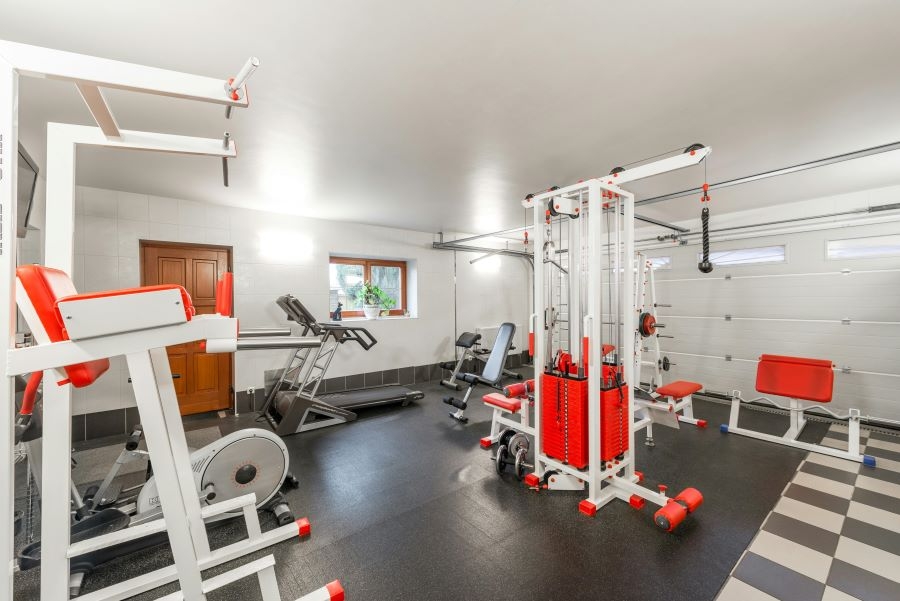
Moving your home gym in Steele Creek, NC can feel like a very difficult task, especially if you have heavy equipment and specialized machines. Whether you're relocating across town or to a new city, ensuring your equipment arrives intact and ready to use is very important.
This guide will walk you through the essential steps to help you efficiently move your home gym without causing damage to your valuable gear.
Prepare and Plan Ahead
One of the first things to do before you start moving your gym equipment is to create a plan for what needs to be done.
Take an inventory of all your gym equipment to help you determine how much packing material you'll need and the appropriate tools required for disassembling any bulky equipment.
Then, consider the weight and size of the machines. Some items, like treadmills and ellipticals, might need to be taken apart, while smaller weights and accessories can be easily packed. It’s important to know how much time the disassembly process will take so you can manage your moving timeline.
Disassemble Your Equipment
Disassembling your gym equipment will make it easier and safer to transport. Most large pieces of equipment, such as treadmills, ellipticals, or weight benches, are designed to be broken down into smaller, more manageable components. This reduces the chances of damaging door frames, walls, or the equipment itself during the move.
To start, refer to the manufacturer’s manual for specific disassembly instructions. If you’ve lost the manual, many manufacturers provide downloadable versions on their websites. When disassembling, take pictures of each step so that reassembly becomes easier.
Label the screws, bolts, and any small parts, and store them in clear, labeled plastic bags to avoid confusion when reassembling.
For cardio machines like treadmills or ellipticals, begin by removing the console and folding down any adjustable parts. With weight benches, it’s best to remove the cushions and fold or detach the frame as necessary. Strength equipment like power racks can be dismantled by unscrewing the safety bars and other attachments.
For larger machines, consider using a wrench set or screwdrivers for safe and proper disassembly. And when it comes to free weights, barbells, and dumbbells, consider wrapping them with cushion materials for protection.
Putting them in smaller, sturdy storage helps distribute the weight evenly. Overpacking one storage with too many weights could cause damage or injury when lifting.
Use the Right Packing Materials
Packing your home gym equipment properly is vital for ensuring it arrives safely at your new location. So gather appropriate packing materials, which can include moving blankets, bubble wrap, heavy-duty boxes, packing tape, and shrink wrap. For larger equipment, such as treadmills or stationary bikes, moving blankets work best to protect surfaces from scratches or dents during the move.
For lighter accessories like yoga mats, resistance bands, and smaller dumbbells, you can use medium-sized boxes.
For large, disassembled pieces of equipment like power racks or adjustable benches, wrap each part in bubble wrap or moving blankets. Shrink wrap can also be helpful to secure movable parts and prevent them from shifting during the move. For example, wrapping the arms of an elliptical machine in shrink wrap keeps them stable, reducing the risk of damage.
If you're transporting weights, such as plates or dumbbells, place them in durable, smaller boxes that won’t break under the weight. Towels or packing paper are also effective to wrap them with as these materials prevent them from scratching or damaging other items.
Some equipment, like medicine balls or yoga blocks, might not need much protection, but it’s still a good idea to store them in boxes to keep everything organized.
Secure Professional Moving Help
Depending on the complexity and quantity of your home gym equipment, hiring professional moving companies can save you time and effort.
When it comes to reliable movers in Steele Creek and other suburbs in North Carolina, local moving companies offer experienced professionals who can handle even the bulkiest gym setups. Many moving companies specialize in moving heavy gym equipment and can disassemble, transport, and reassemble your machines.
If you're moving a large setup with multiple machines, such as a treadmill, rowing machine, and squat rack, it might be worth considering this option. Movers have the necessary tools, equipment, and expertise to ensure your gym gear arrives safely at your new home.
Additionally, hiring professionals can give you peace of mind, knowing that your equipment will be handled with care.
Transport and Reassemble Safely
The transportation stage is one of the most critical parts of moving your home gym. If you're using professional movers, they’ll likely load the equipment onto the truck for you.
Load the heaviest items onto the truck first. This usually includes the treadmill, weight bench, or any other bulky machines. Use a dolly or furniture straps to reduce the strain on your back, and always lift with your legs, not your back, to avoid injury.
Make sure everything is secured tightly during transport to avoid shifting and damage. Heavy-duty straps are excellent for keeping equipment in place while on the move. Be cautious of where you place fragile items like the monitor or console of a treadmill, and avoid stacking heavy boxes on top of them.
Once you've arrived at your new home, it's time to reassemble your equipment. Refer back to the photos you took during disassembly for guidance. Start with the larger machines like treadmills or ellipticals, ensuring all parts are securely fastened before using the equipment.
For free weights, simply unpack and organize them in your new space. Set up your home gym in an area that’s both spacious and safe, ensuring that machines are placed on level ground to prevent accidents.
Keep Your Gym Running Smoothly
Moving your home gym equipment can be a challenging task, but with the right preparation, materials, and assistance, it doesn't have to be overwhelming.
Ensuring that your machines are disassembled, packed, and transported properly is key to keeping them in good working condition.
At the end of the day, the goal is to get back to your fitness routine as soon as possible. By following these steps, you’ll have your home gym set up and ready to go in your new space, allowing you to maintain your workouts without interruption.
Author Bio

Eric is the owner of Fort Mill Friendly Movers, a small, family-run moving company operating in and around the Fort Mill area. He’s built his business over the years on deep-rooted principles of family-friendly pricing and a true goal to serve his community the best he can.
Social Media: https://www.instagram.com/fortmillfriendlymovers/
https://www.facebook.com/fortmillfriendlymovers
Email: This email address is being protected from spambots. You need JavaScript enabled to view it.