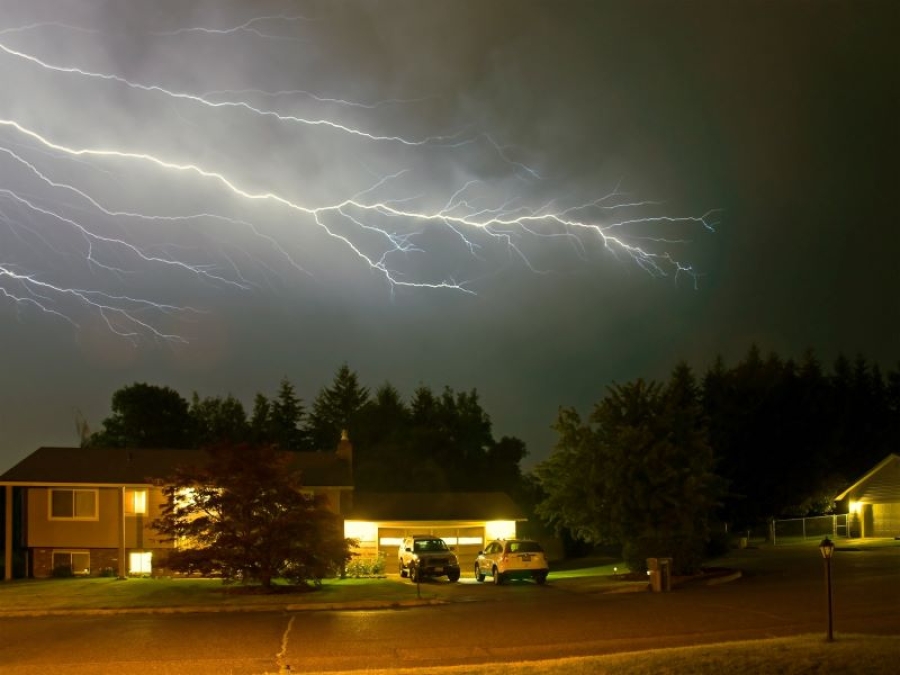
What’s the best way to restore your home after a severe storm while minimizing future risks? Renovating after a weather event is more than just fixing what’s broken, it’s about strategically reinforcing your home’s resilience against future damage.
From prioritizing repairs that ensure safety to making informed decisions about insurance claims and working with trustworthy contractors, each step plays a vital role in the recovery process. By addressing hidden vulnerabilities and investing in long-term improvements, you can turn a challenging situation into an opportunity to build back stronger, protecting both your investment and peace of mind.
Assessing Damage and Ensuring Safety
Assessing damage after a severe storm is crucial to ensure the safety of your home and prevent further complications. According to the Federal Emergency Management Agency (FEMA), roofs, windows, and foundations are frequently impacted by high winds and flooding, making them a priority for inspection.
Start by checking for visible issues like roof leaks, cracked walls, and damaged windows. Water damage, often the result of leaks or flooding, can be especially insidious, leading to mold growth within 24 to 48 hours if not addressed promptly.
After a storm, electrical systems should be treated with particular caution, as exposure to water can create a risk of short circuits or fires. Even minor water exposure to outlets or wiring can be hazardous. It's advisable to have a licensed electrician inspect the electrical system before reactivating power. Areas prone to flooding may have hidden damage beneath floors or within walls, which can weaken structural supports if left unchecked.
Prioritizing Repairs for Safety First
Prioritizing repairs after a severe storm is critical to ensure the safety of both the structure and its occupants. Immediate attention should be given to structural repairs that could pose a safety hazard, such as roof leaks, damaged foundations, and compromised load-bearing walls.
Roof damage is particularly concerning, as it can lead to further water infiltration, weakening the building's structure and increasing the risk of mold, which can begin developing within 24 hours.
In addition to structural concerns, electrical and plumbing systems often require immediate attention following a storm. Water exposure to electrical systems, even at low levels, can lead to short circuits or fire risks. Restoring power should only occur after a professional inspection to ensure there is no risk of electric shock or fire. Damaged plumbing, especially in flood-prone areas, can also lead to contamination and further water damage.
Building Back Better: Making Resilient Upgrades
Building back better after a severe storm means making strategic upgrades to improve your home's resilience against future weather events. For instance, installing impact-resistant windows and reinforced roofing materials can significantly reduce the likelihood of damage from high winds and hail. Reinforcing garage doors, which are often a weak point during hurricanes or tornadoes, can prevent pressure buildup that could compromise the structural integrity of the entire home.
Upgrading the drainage system around the property is another effective way to prevent future water damage. Poorly managed rainwater can lead to soil erosion and foundation weakening, making drainage improvements a key step in storm recovery. For properties with elevated walkways or decks, grating clips can secure surfaces more effectively, reducing the risk of damage from wind uplift or heavy rain.
Installing French drains or sump pumps can help redirect water away from the foundation, reducing the risk of basement flooding. While these improvements can involve upfront costs, they can help lower insurance premiums in the long run and protect the home from expensive repairs after future storms.
Working with Insurance: Documentation and Claims
Working with your insurance company after a severe storm is key to securing the funds needed for necessary repairs. Document the damage as thoroughly as possible, using photos, videos, and written descriptions of all affected areas, including structural damage, personal property losses, and water intrusion.
This documentation should be gathered immediately after the storm to ensure accuracy. Many insurance companies require an inventory of damaged items, and providing this along with detailed evidence can expedite the claims process. Homeowners who submit detailed documentation are more likely to receive higher claim payouts.
When filing a claim, it's essential to understand your policy's coverage and exclusions. Working closely with your insurance adjuster is critical to ensure that all covered damages are accounted for. If there are discrepancies or disagreements about the damage assessment, you may want to consider hiring a public adjuster, who works on behalf of the homeowner to negotiate with the insurance company.
Addressing Hidden Damages: Older Home Challenges
Addressing hidden damage is especially challenging when renovating older homes after a severe storm, as these properties often have outdated systems that may not be immediately visible. Homes built before 1978 are more likely to have issues like deteriorating plumbing, outdated wiring, and asbestos insulation, which can be exacerbated by storm damage.
Water intrusion from a storm can worsen existing weaknesses, such as corroded pipes or faulty electrical systems, posing significant safety risks. A thorough inspection of these areas is essential before starting repairs, as these hidden issues can lead to serious problems like water contamination or electrical fires if left unaddressed.
Storm damage can reveal vulnerabilities in an older home’s structural elements, such as wooden beams or masonry that may have deteriorated over time. Wood rot, termite damage, and weakened foundations are common in homes over 50 years old, and a major storm can exacerbate these problems. Addressing these issues during renovation can help ensure the long-term stability of the home.
Although repairing such hidden damages can add to renovation costs, it’s a critical investment in preventing further deterioration and making the property safer for future occupants. Properly addressing these hidden challenges can also increase the home's value and make it more resilient to future weather events.
Conclusion
How can you ensure that your home is not only restored but also better protected for the future? Renovating after a severe storm involves more than just repairing visible damage, it's about safeguarding against future risks through strategic improvements. By prioritizing critical repairs, working closely with insurance adjusters, selecting reliable contractors, and making upgrades that enhance resilience, you can build back stronger and smarter.
Addressing hidden damages, especially in older homes, ensures the longevity and safety of the property. With the right approach, the restoration process can transform a setback into an opportunity for long-term protection and value.