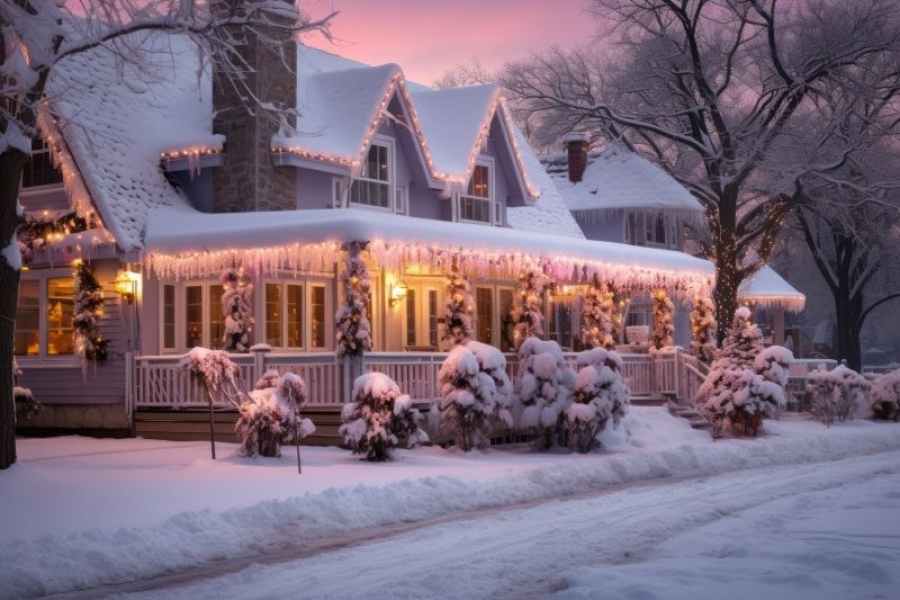
Preparing your home to withstand the colder months is essential as winter approaches, especially for first-time homeowners. Proper winterization ensures your home stays comfortable, reduces the likelihood of costly repairs, and saves on energy bills.
From insulating windows to securing outdoor spaces, these tips will help you protect your investment and enjoy a cozy winter season.
Inspect and Seal Windows and Doors
One of the most effective ways to keep cold air out and warmth in is by sealing all windows and doors. Drafts are a common culprit for heat loss, causing your heating system to work harder and increasing energy costs. Here’s how to get started:
• Check for Drafts: Hold a lit candle near windows and doors to see if it flickers. If it does, you likely have an air leak.
• Use Weatherstripping and Caulk: Apply weatherstripping around door frames and caulk around window frames to seal gaps. These materials are affordable and easy to apply, creating an effective barrier against cold air.
• Install Window Film: For added insulation, consider using window film, which can help reduce heat loss through glass panes.
Insulate Your Attic and Walls
Proper insulation is crucial for keeping your home warm and preventing heat from escaping. While new homes often come with adequate insulation, older homes may need extra attention. Here’s what to check:
• Inspect Existing Insulation: Look in the attic and walls to see if insulation is packed, torn, or worn. Replace or add insulation as needed.
• Choose the Right Type: Common options include fiberglass, cellulose, and spray foam. Each type has its advantages, with spray foam offering high insulation value but often costing more.
• Insulate the Attic Door: The attic door is often overlooked but can be a significant source of heat loss. Adding insulation tape or an attic stair cover can help maintain warmth.
Service Your Heating System
An efficient heating system is key to a warm and comfortable winter. Regular maintenance not only improves performance but can also extend the lifespan of the equipment. Here are some tips for keeping your heating system in peak condition:
• Schedule a Professional Inspection: A certified technician can check for potential issues, clean components, and replace worn parts.
• Replace Filters: Dirty filters restrict airflow, making the system work harder. Replace filters every 1-3 months during the heating season.
• Check Thermostat Settings: Lowering the thermostat by a few degrees when you’re not home can lead to significant energy savings. Consider installing a programmable thermostat for better control.
Prepare Your Pipes for Freezing Temperatures
Frozen pipes are a common winter problem that can lead to costly repairs. Taking preventive steps to protect pipes is essential, especially for exposed or uninsulated areas. Here’s how to safeguard your plumbing:
• Insulate Exposed Pipes: Wrap pipes in unheated areas, such as basements or crawl spaces, with foam or heat tape.
• Drain Outdoor Faucets: Disconnect hoses and drain outdoor faucets to prevent water from freezing and causing pipes to burst.
• Let Faucets Drip During Extreme Cold: If temperatures drop significantly, allowing faucets to drip can relieve pressure in pipes and prevent freezing.
Clean Gutters and Downspouts
Gutters are important in directing water away from your home, especially during winter’s freeze-thaw cycles. Clogged gutters can lead to ice dams, which can cause roof damage and water leaks. Here’s how to prep your gutters:
• Clear Out Leaves and Debris: Remove leaves, twigs, and other debris from gutters to ensure proper water flow.
• Check for Signs of Damage: Repair any cracks or loose brackets to prevent further issues.
• Install Gutter Guards: Gutter guards can help prevent debris from accumulating and clogging the system.
Inspect the Roof
Winter weather can be tough on your roof, and minor issues can quickly become major repairs. Before the first snow, inspect your roof for any vulnerabilities:
• Look for Missing or Damaged Shingles: Missing shingles can expose your home to water leaks. Replace or repair shingles as necessary.
• Check Flashing: Flashing around chimneys, vents, and skylights should be securely in place to prevent leaks.
• Clear Off Debris: Remove any leaves, branches, or moss that could trap moisture.
Tidy Up the Yard and Prepare Outdoor Areas
Outdoor spaces also require some attention before winter arrives. Preparing your yard can prevent damage and make spring cleanup easier:
• Store Outdoor Furniture: Move furniture, grills, and other outdoor items into storage to protect them from the elements.
• Trim Tree Branches: Heavy snow can cause branches to snap, posing a risk to your home and power lines. Trim any branches that hang over the house.
• Consider Using a Weed Barrier: A weed barrier can help prevent early spring weeds from sprouting and make garden maintenance more manageable. This fabric or plastic sheeting can be laid down in garden beds, helping keep soil insulated during the winter while preventing weeds from taking root.
Test Smoke and Carbon Monoxide Detectors
As windows stay shut and heating systems run continuously, the risk of carbon monoxide (CO) buildup increases. Ensuring your smoke and carbon monoxide detectors are functioning properly is essential.
• Test Detectors: Press the “test” button to ensure they work. Replace batteries if needed.
• Install Detectors Near Sleeping Areas: Place detectors close to bedrooms for maximum safety.
• Replace Older Detectors: If a detector is over 10 years old, consider replacing it entirely.
Prepare for Power Outages
Winter storms can sometimes cause power outages, so it’s smart to be prepared. Here’s what to have on hand:
• Emergency Kit: Stock up on essentials like flashlights, batteries, blankets, and a first-aid kit.
• Portable Charger: Keep a power bank or portable charger on hand to charge phones.
• Alternative Heating Options: If you live in an area prone to power outages, consider investing in a backup generator or a portable propane heater (use caution and proper ventilation).
Inspect and Clean the Fireplace and Chimney
If your home has a fireplace, it is time to ensure it’s ready for safe use. A neglected fireplace or chimney can pose a fire risk, so take these steps before lighting the first fire of the season:
• Schedule a Professional Cleaning: A certified chimney sweep can remove built-up creosote, a flammable byproduct of burning wood.
• Check for Structural Issues: Look for cracks in the chimney or fireplace that could pose a safety risk.
• Stock Up on Firewood: Ensure you have dry, seasoned firewood on hand, as it burns cleaner and creates less creosote.
Conclusion
Winterizing your home doesn’t have to be overwhelming. By tackling these tasks systematically, you can protect your home from winter’s challenges, keep your energy costs in check, and create a warm, inviting environment for you and your family. As a first-time homeowner, these proactive steps will safeguard your investment and provide peace of mind.
Embrace the winter season with confidence, knowing your home is secure, energy-efficient, and equipped to handle the colder months.