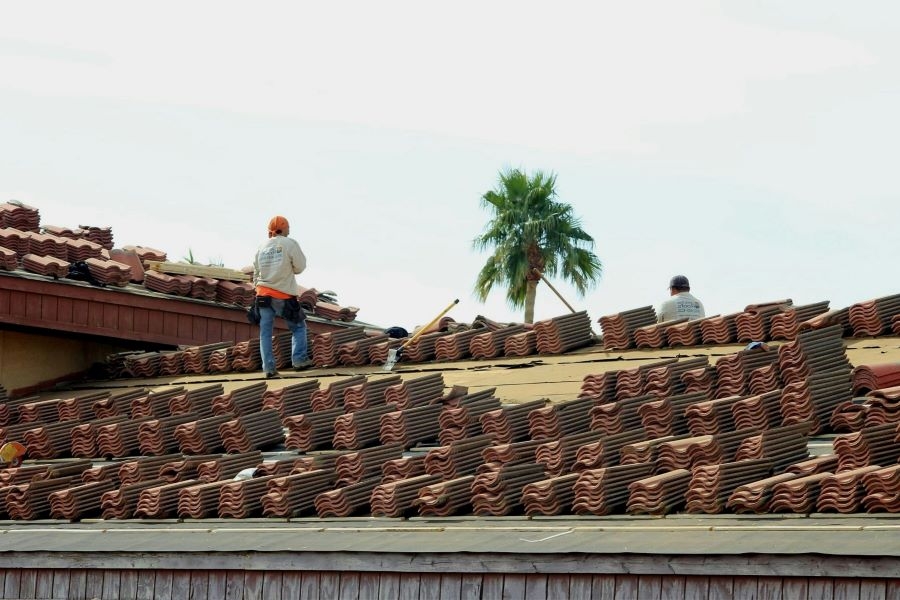
Maintaining your roof is one of the most important steps to protect your home from damage and extend its lifespan.
A well-maintained roof not only prevents costly repairs but also ensures the safety and comfort of everyone inside.
Drawing from personal experience, these tips have helped me save money and avoid stress.
If you're looking for a trusted professional, a Suffolk county roofer can help you ensure your roof is in top condition.
Let’s dive into the essential roof maintenance tips every homeowner should follow
1. Inspect Your Roof Regularly
Why It Matters:
Early detection of issues can save you from expensive repairs down the line.
What to Do:
• Check for missing or damaged shingles, cracks, and any signs of wear and tear.
• Inspect for sagging areas or pooling water.
• Use binoculars to scan your roof from the ground or climb up safely if you’re experienced.
Pro Tip: Schedule inspections at least twice a year, ideally in spring and fall, and after major storms. Personally, I’ve found that post-storm inspections catch issues before they worsen.
2. Clean Gutters and Downspouts
Why It Matters:
Clogged gutters can lead to water buildup, which can damage your roof’s structure.
What to Do:
• Remove leaves, debris, and dirt from your gutters.
• Ensure downspouts direct water away from the foundation.
• Install gutter guards to reduce debris buildup.
Pro Tip: Clean gutters at least twice a year and more frequently if you live in a wooded area. I once overlooked this and ended up with water damage that cost a fortune to fix.
Additional Note: Blocked gutters not only harm your roof but can also lead to basement flooding and foundation cracks. Keep a close eye during heavy leaf fall.
3. Trim Overhanging Branches
Why It Matters:
Branches can scrape your roof, cause damage, and increase the risk of leaks.
What to Do:
• Trim branches that hang too close to or over your roof.
• Keep a clearance of at least 10 feet to prevent debris from falling onto your roof.
• Use professional services for larger trees to ensure safety.
Pro Tip: Hire a professional arborist for safe and effective tree trimming. I tried doing this myself once and realized the risk wasn’t worth it.
Additional Note: Regular trimming also helps reduce the risk of pests like squirrels or raccoons finding their way onto your roof.
4. Check for Leaks and Water Damage
Why It Matters:
Unchecked leaks can lead to structural damage, mold growth, and higher repair costs.
What to Do:
• Inspect your attic for signs of water stains, mold, or damp insulation.
• Look for discoloration on ceilings and walls inside your home.
• Repair small leaks immediately before they become bigger issues.
Pro Tip: Use a flashlight during attic inspections to spot moisture more easily. I once found a leak this way that could have gone unnoticed for months.
Additional Note: If you spot water stains, track their source on the roof and act promptly to seal the area with appropriate materials.
5. Remove Moss and Algae
Why It Matters:
Moss and algae can weaken roofing materials and lead to premature aging.
What to Do:
• Use a roof-safe moss remover or a 50/50 solution of water and bleach.
• Install zinc or copper strips at the roof’s peak to prevent moss growth.
• Avoid using a pressure washer, as it can damage shingles.
Pro Tip: Apply moss removal solutions during dry weather for the best results. I’ve learned that patience pays off here—rushing during wet weather only makes the job harder.
Additional Note: Regular cleaning not only prevents damage but also keeps your roof looking neat and well-maintained, which adds to curb appeal.
6. Ensure Proper Ventilation
Why It Matters:
Poor ventilation can trap heat and moisture, causing damage to the roof’s structure and materials.
What to Do:
• Check for proper airflow in your attic.
• Make sure vents are not blocked by debris or insulation.
• Install additional vents if needed to improve circulation.
Pro Tip: Consult a professional to assess your attic ventilation needs. This step made a noticeable difference in my home’s energy efficiency.
Additional Note: Proper ventilation also helps regulate indoor temperatures, reducing your cooling and heating costs.
7. Replace Damaged Shingles Promptly
Why It Matters:
A single missing shingle can expose your roof to water damage and weaken its overall integrity.
What to Do:
• Replace cracked, curled, or missing shingles immediately.
• Match the replacement shingles to your existing roof for consistency.
• Check the underlying material for damage before replacing the shingle.
Pro Tip: Keep spare shingles from your last roofing project for easy repairs. This saved me a lot of time when a storm knocked off a few shingles.
Additional Note: If you’re unsure about the extent of the damage, consult a roofer for a quick assessment before taking action.
8. Inspect Flashing and Sealants
Why It Matters:
Flashing and sealants protect vulnerable areas like chimneys, vents, and skylights from leaks.
• Check for cracks, rust, or peeling around flashing and sealants.
• Reapply or replace damaged sealants as needed.
• Ensure flashing is securely fastened and free of gaps.
Pro Tip: Use a high-quality roof sealant for durable protection. Investing in good materials upfront can save you from frequent repairs.
Additional Note: Pay extra attention to skylights and chimney areas, as they are common sources of leaks.
9. Schedule Professional Roof Inspections
Why It Matters:
Professionals can identify hidden problems that may not be visible to the untrained eye.
What to Do:
• Hire a licensed roofing contractor for annual inspections.
• Request a detailed report with photos and recommended actions.
• Consider inspections after severe weather events, such as hailstorms.
Pro Tip: Choose a reputable roofer with positive reviews and verified credentials. A recommendation from a friend once led me to a contractor who caught issues I’d overlooked.
Additional Note: Professional inspections can also provide documentation that might be useful for insurance claims.
10. Invest in Preventative Maintenance
Why It Matters:
Preventative measures extend the life of your roof and save money in the long run.
What to Do:
• Apply a protective roof coating to guard against UV rays and weather damage.
• Reinforce areas prone to leaks, such as valleys and eaves.
• Schedule regular maintenance to address small issues before they escalate.
Pro Tip: Preventative maintenance contracts often come with warranties for added peace of mind. I’ve seen this pay off when unexpected issues arose.
Additional Note: Look for maintenance packages offered by contractors, which often include discounts on repairs.
Conclusion
Your roof is your home’s first line of defense against the elements, and proper maintenance is essential for keeping it in top condition.
By following these tips and staying proactive, you can avoid costly repairs, increase your home’s energy efficiency, and ensure your roof lasts for years to come.
From my own experience, taking small, consistent steps makes a big difference over time.
Don’t wait for a problem to arise—start implementing these strategies today for a safer, stronger home.