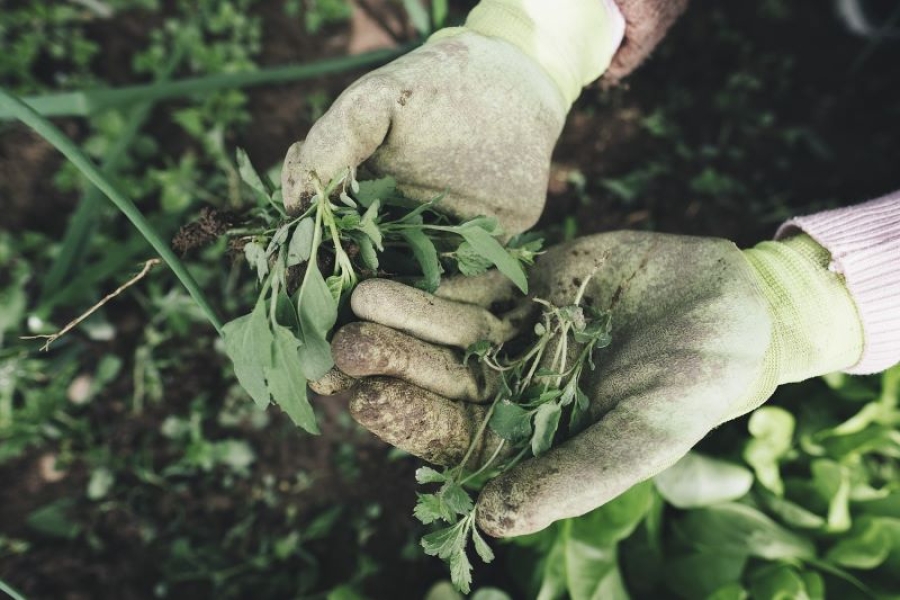
Invasive plants are a constant problem for people who want to keep their yards healthy and growing. These dangerous species push out native plants, break up environments, and usually need to be managed on a regular basis. Luckily, naturally effective methods can be used to get rid of invasive species without using chemical pesticides. This guide will teach you the basics of invasive plant science and control and give you useful, eco-friendly ways to keep your property safe.
What Are Invasive Plants?
Invasive plants are non-native species that spread rapidly and cause ecological harm. They can take over gardens, lawns, and natural areas, crowding out native species that are essential for biodiversity. Unlike weeds, which can be controlled more easily, invasive plants often have no natural predators in their new environments, allowing them to flourish unchecked.
Why Are They a Problem?
Taking over native plants, which provide food and shelter for wildlife, is a big problem for biodiversity because invasive plants take over. As these dangerous species grow, they can cause native plant populations to drop, which can upset whole ecosystems. Many invasive plants grow quickly and make thickets that block sunshine, making it difficult for other plants to grow. Birds, mammals, and pollinators that depend on local plants may not be able to find as much food because of this imbalance.
Recognizing and Safely Eliminating Poison Ivy
Poison ivy (Toxicodendron radicans) is a widespread invasive plant known for causing severe skin irritation due to its urushiol oil. For homeowners looking to maintain their outdoor spaces without the risk of painful rashes, it's important to know how to identify poison ivy.
• Leaves of Three: Poison ivy typically has three leaflets, with the middle leaflet being slightly larger. The edges may be smooth or slightly toothed.
• Color Changes: The leaves change color throughout the seasons—reddish in spring, green in summer, and yellow/orange in fall.
• Growth Habits: Poison ivy can grow as a ground cover, shrub, or vine that climbs trees and fences.
• Berries and Flowers: Small, white, or greenish berries may appear in late summer, attracting birds that spread the seeds.
Safely Removing Poison Ivy
1. Wear Protective Gear: Use gloves, long sleeves, and eye protection to prevent skin contact.
2. Hand-Pulling (For Small Patches): If the soil is moist, gently pull out the plant by the roots, ensuring all root fragments are removed.
3. Smothering: Cover large patches with cardboard and mulch to block sunlight and suppress growth.
4. Boiling Water: Pouring boiling water over poison ivy roots can kill them naturally.
5. Vinegar Spray: A mixture of white vinegar and salt can act as a natural herbicide when applied to the leaves.
6. Dispose of Properly: Never burn poison ivy, as inhaling the smoke can cause severe respiratory problems. Instead, seal it in a plastic bag and dispose of it in the trash.
Natural Strategies for Managing Invasive Plants
Prevention: The First Line of Defense
Preventing invasive plants from establishing is much easier than removing them. Here’s how:
• Monitor Your Yard: Regularly inspect your property for invasive species.
• Choose Native Plants: Planting native species helps create a balanced ecosystem.
• Mulch: A thick layer of mulch can suppress invasive seeds from sprouting.
• Limit Soil Disturbance: Invasive plants thrive in disturbed soil, so minimize unnecessary digging.
Mechanical Control Methods
If invasive plants have already taken hold, physical removal methods are often the best approach:
• Hand-Pulling: Ideal for small infestations, especially after rain when roots are easier to extract.
• Mowing or Cutting: Repeatedly cutting back invasive plants weakens them over time.
• Smothering with Tarps or Mulch: Covering invasive patches with tarps or layers of mulch blocks sunlight, preventing regrowth.
Biological Control: Let Nature Help
Introducing natural predators or competitors can help control invasive plants. Some effective biological strategies include:
• Encouraging Beneficial Insects: Some insects feed on invasive species, keeping them in check.
• Grazing Animals: Goats and sheep can help control certain invasive plants by eating them.
• Companion Planting: Growing native plants alongside invasive ones can limit their spread by competing for resources.
Organic Herbicides and Natural Remedies
If physical removal is not enough, natural herbicides can help suppress invasive plants without harming the environment.
• Vinegar-Based Sprays: Acetic acid in vinegar breaks down plant cell walls, effectively killing invasive species.
• Salt Water Solution: Salt dehydrates plants, but use sparingly as it can affect soil health.
• Boiling Water: Pouring boiling water on invasive plants can destroy roots without chemicals.
Managing Common Invasive Plants Naturally
Japanese knotweed (Fallopia japonica) is a persistent and harmful plant that spreads quickly and can be difficult to manage. Cutting it back over and over and covering the damaged area with thick mulch to keep it from getting sunlight is one way that works. Spraying vinegar on the leaves is another natural way to kill weeds. Over time, planting native plants that can survive in shade can help slow its growth by competing with it for room and nutrients.
English ivy (Hedera helix) is another persistent invasive that climbs trees and spreads across lawns. To manage it, hand-pulling or cutting vines at their base is necessary to stop their spread. Smothering patches with mulch can further weaken the plant by blocking access to light. A great way to replace English ivy is by planting native ground covers such as wild ginger, which offers similar ground coverage without the invasive tendencies.
Garlic mustard (Alliaria petiolata) should be removed by hand before it goes to seed, as this plant spreads aggressively. If composting, ensure no seeds are present to prevent regrowth. Applying thick layers of mulch can effectively slow its spread and hinder future growth.
Kudzu (Pueraria montana) is typically difficult to manage because it grows so quickly. Cutting it back reduces the roots over time, but grazing animals like goats can eat the leaves and greatly reduce pest problems. Kudzu is interesting because it can be used for other things. For example, it can be turned into fiber or even eaten.
Conclusion: Sustainable Invasive Plant Management
Homeowners can protect their yards and the environment around them by learning about invasive plants and how to control them. Using eco-friendly removal methods, regular monitoring, and preventative steps can keep invasive species under control while keeping the landscape healthy and long-lasting. Poison ivy and other invasive plants can be identified and safely removed to improve your yard and the environment. With these natural techniques, you can get rid of invasive plants and enjoy a local landscape that is full of life without having to use harsh chemicals.