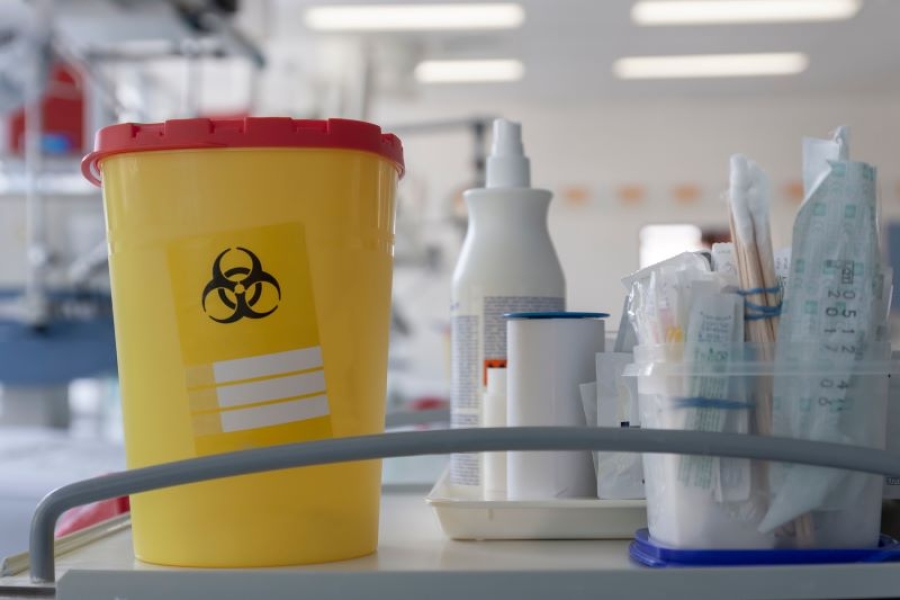
Medical waste management is essential to safeguarding public health and the environment. As medical advancements make at-home medical care more convenient, a large volume of medical waste is being generated from homes. Common types of medical waste generated by households include syringes, soiled bandages, needles, expired medication, and other items contaminated with bodily fluids. Whether you are handling medications, caring for injuries, or administering injections as a patient or caregiver, you should follow safe disposal practices.
Disposal of medical waste without safety measures may lead to contamination and health hazards for people and pollute the environment. Health risks like injuries from sharps, infections, and transmission of diseases can affect public health, while improper disposal can contaminate water and soil and harm ecosystems and wildlife. As the trend of caring for patients at their residences increases, it becomes even more important to adopt safe and responsible practices for medical waste disposal. This blog discusses the importance of safe disposal and tips to responsibly dispose of medical waste without harming the environment and public health.
What Is Medical Waste?
Medical waste is any waste generated from medical procedures in hospitals, clinics, laboratories, and home care. It includes needles, bandages, gloves, bodily fluids, and other items that have been in direct contact with the patient, as well as used and expired drugs.
Medical waste is different from household waste as it may contain hazardous bacteria, viruses, and chemicals. Patients and caregivers exposed to medical waste are at risk of injuries and infections. Immediate and proper disposal with utmost care is required to limit the adverse effects of medical waste on health and the environment.
Household medical waste can be categorized as follows:
Sharps: Medical items like needles, lancets, and scalpels that can puncture the skin.
Contaminated Items: These include items like masks, gloves, and bandages that have been exposed to the patient’s bodily fluids.
Pharmaceuticals: These include used, expired, or leftover medicine used for medical care and treatment. They include both prescription and over-the-counter drugs that should be safely disposed of to prevent misuse and contamination of sewers and landfills
Why Safe Disposal of Medical Waste Matters
Safe disposal of medical waste is necessary to protect public health and the environment.
Health
Patients, caregivers, and disposal teams are at risk of injuries and infection from medical waste. Contaminated materials can spread bloodborne infections, such as HIV and hepatitis. Medical waste like contaminated gloves, bandages, and dressings might contain bacteria and viruses responsible for spreading infections and diseases if not stored and disposed of properly. Medicines also contain harmful chemicals that can contaminate water sources and adversely affect the health of the public.
Environment
Disposing of medical waste improperly can have serious long-term environmental consequences. Throwing medication in the trash or the toilet can cause harmful chemicals to contaminate the water sources. The chemicals and toxins in pharmaceuticals have been found to affect aquatic life and disrupt ecosystems. Improper disposal also affects the soil around the waste, affecting plants, animals, and human health.
Even the incineration of medical waste releases harmful compounds, such as dioxins and heavy metals, into the environment, contributing to air quality and climate change issues. Proper and responsible waste disposal practices are more important than ever to protect humans and the environment.
Tips for Safe Disposal of Medical Waste
Here are a few tips for the safe disposal of medical waste:
Sharps
Medical sharps are products used for medical procedures that can easily puncture the skin. They are contaminated with blood and other bodily fluids and may contain pathogens that can easily transfer diseases or infections to those who come in direct contact with them. People are also prone to injuries from sharps. As a result, used sharps need to be stored in puncture-resistant containers to prevent injuries and infections.
Using Sharps Containers: Sharps should not be disposed of in trash cans, recycling bins, or flushed down the toilet. You should use FDA-approved containers made of puncture-resistant materials, which can be purchased from online retailers, pharmacies, or healthcare providers. Ensure that the container is puncture-resistant, strong, and has a secure lid.
Sealing and Labeling: These containers should be properly sealed and labeled as a precaution. They should be kept out of reach of children for their safety.
Finding Drop-Off Locations: Once the containers are full, they should be taken to a community drop-off location. You should research local disposal programs or medical facilities that accept sharps waste.
Pharmaceuticals
Pharmaceutical waste includes unused, expired, or residual medication after medical treatments. Pharmaceuticals should not be disposed of in regular trash or flushed down the toilet, as their harmful chemicals can contaminate water sources, affecting humans and wildlife. Improper disposal may also lead to misuse of medications if found by others.
Take-back Programs: Many pharmacies and community centers offer medication take-back programs. They provide collection boxes for expired or unused medications. You should research or consult a healthcare professional regarding such programs in your area.
Home Disposal: If such programs or services are not available in your area, you should follow the FDA-recommended guidelines for disposing of pharmaceutical waste. According to the FDA, certain medications can be mixed with undesirable items like coffee grinds, cat litter, and dirt, and sealed in a secure bag or container as a last resort. Such measures help prevent misuse and contamination.
Other Medical Waste
Other medical waste from homes includes gauze, bandages, gloves, and masks used during the medical care of patients. These items come in contact with the bodily fluids of patients and may be contaminated with pathogens that are likely to transmit diseases or infections to others. They are classified as biohazardous waste and should be disposed of following proper guidelines for biohazardous waste disposal.
Seal Securely: Bandages and dressings should be properly sealed in a secure, leak-proof bag to contain any bodily fluids and contaminants and prevent them from infecting other people. If you use IV bags and tubing at home, you should reach out to your local waste disposal service for proper instructions for disposal.
Environmentally Responsible Practices for Medical Waste Management
Medical waste should be disposed of responsibly, considering its potential impact on both public health and the environment. Improper disposal of medical waste has been found to contaminate soil, water sources, and ecosystems, causing serious damage in the long run. Follow these responsible practices to manage medical waste and reduce its effects on humans and the environment:
Reduce and Reuse
The most effective way to lower the impact of medical waste is to reduce it. Instead of buying medical items and medicines in bulk that might never be used, you should purchase them in limited quantities. You can also opt for multi-use products, like cloth bandages, and biodegradable products, like biodegradable gauze and natural cotton swabs. Changing the consumption patterns can greatly reduce the amount of medical waste generated by homes.
Segregate
Make sure that medical waste is not mixed and disposed of with regular household waste. The safety measures and disposal methods for general household waste and medical waste vary significantly. Securing medical waste in designated containers and labeling them properly also protects waste handlers from injuries and infections. You can prevent infections and environmental contamination with safe disposal.
Recycling
Most medical items are single-use and cannot be recycled. However, you can recycle items like empty pill bottles, aluminum foil packaging, and cardboard boxes. These items are not infected with contaminants and may qualify for recycling at your local recycling center. Make sure these are not contaminated by other medical waste and drop them off securely at the collection centers.
Conclusion
Safe disposal practices are important when disposing of sharps, pharmaceutical waste, and other medical waste to prevent injuries and contamination. By understanding different types of medical waste and adhering to safe disposal guidelines and practices, you can protect others from infection. You can ensure a healthier environment with initiatives like reducing, reusing, segregating, recycling, and staying aware of local disposal programs. Protect the health and well-being of people by taking precautions and adopting safe disposal measures for medical waste.