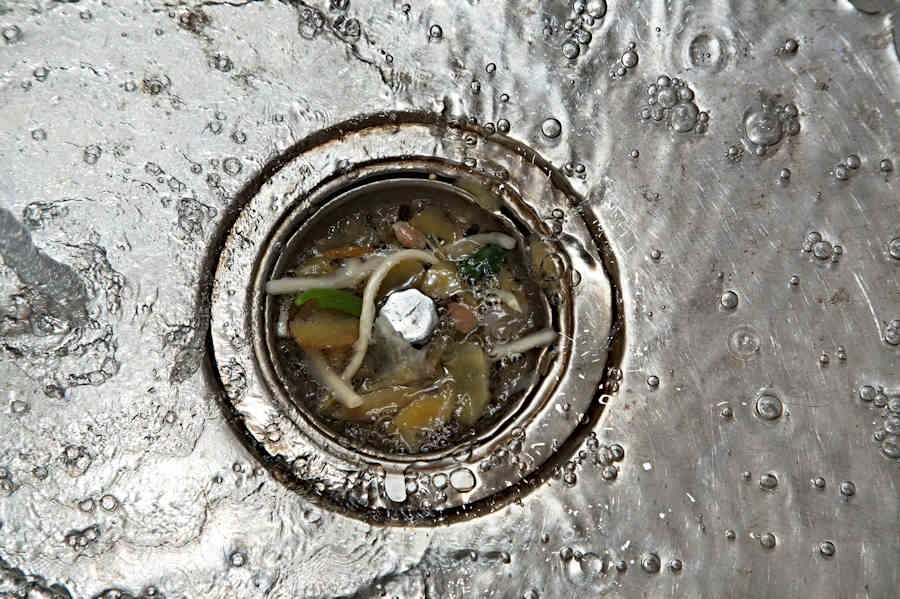
Drain blockages frustrate many homeowners, and our daily habits often cause these problems. The kitchen sink suffers most from oil and grease buildup that turns into what plumbers call 'fatbergs'. Many people don't realize that common items like flushable wipes and hair can create major blockages.
The battle against blocked drains starts with knowing why it happens. Hair, grease, and soap scum block drains most often, but many more surprising items can cause trouble. To cite an instance, flushing kitty litter might cost thousands in repairs. Cooking fats and oils create tough blockages because they don't mix with water. Plus, people's natural hair loss of up to 100 strands daily can tangle with other debris and block drains.
This piece shows you the common household habits that block drains. You'll learn practical ways to prevent clogs and know the right time to call professionals. Whether you're dealing with blocked drains Ipswich or anywhere else in Australia, understanding these everyday causes will give you the tools to keep your home's drains clear and working well.
Everyday Items You Should Never Put Down the Drain
The stuff we wash down our drains every day can create nasty blockages that get pricey to fix. You need to know what should stay away from your plumbing system to keep your drains running smoothly.
Cooking oils and fats are the worst offenders. They might flow easily when hot, but they turn solid as they cool and stick to your pipes' walls, catching other debris. These buildups create what plumbers call "fatbergs" - massive chunks of fat that grow huge. A crew in London found that there was a 15-tonne fatberg as big as a bus that took two weeks to clear. These fats and oils cause about 30% of all wastewater blockages.
Your bathroom items can also wreck your plumbing. Those "flushable" wipes don't break down the way toilet paper does. They actually cause about 95% of sewer blockages. The water industry now pays over $23 million each year to deal with wipe-related problems. Just like wipes, feminine hygiene products, nappies, and cotton buds should stay out of your toilet because they're made to soak up liquid and get bigger.
Your kitchen has plenty of things that belong in the rubbish, not your drain:
• Coffee grounds that stick together in dense, gooey clumps
• Eggshells that create grainy waste and stick to pipe gunk
• Rice and pasta that keep expanding in your pipes
• Potato and banana peels that turn into starchy mush
Even cat litter marked "flushable" can cause trouble. It clumps up when wet and can clog your toilet. Cat waste can also contain Toxoplasma gondii, a parasite that's dangerous for sea life and humans.
Paint and chemicals need to stay away from your plumbing too. They might be liquid, but they can damage your pipes and hurt water ecosystems. These materials should go to proper recycling programs instead.
The water industry keeps it simple - stick to the "three Ps" in your toilet: pee, poo, and (toilet) paper. This rule will help you avoid plumbing disasters.
Habits That Slowly Build Up Blockages
Daily habits and items we accidentally send down drains create stubborn blockages. These innocent-looking routines can cause serious plumbing problems if nobody addresses them.
Showering without a hair catcher creates major problems. Hair mixes with soap scum and body oils to create persistent clogs that block water flow. These hair-based blockages are one of the most common drain problems, especially when you have bathroom sinks and showers. Hair sticks to grease and other substances, which creates clumps that stop water from flowing.
Regular bar soaps add to drain blockages by a lot. These products have fats and minerals that build up in pipes, especially in homes with hard water. Soap combines with hard water minerals like calcium and magnesium and creates a sticky residue called soap scum. This substance makes pipes narrower and is the main cause of drain clogs.
Food disposal choices are vital factors. Washing starchy foods like pasta and rice down the sink leads to problems because they don't dissolve easily and pile up. Food scraps mix with other debris and slow down drainage until pipes get completely blocked.
People who use toilets as rubbish bins create systemic problems. Tissues, cotton balls, and even "flushable" wipes don't break down as fast as toilet paper. Too much toilet paper can also block pipes - most people use between 4-10 squares per flush. Using excessive amounts (1/3 to an entire roll) quickly blocks the toilet.
Chemical drain cleaners might seem like a good solution, but these products contain harsh substances that harm pipes. Heat from these chemicals wears down pipes and creates cracks and leaks.
Skipping regular maintenance lets small buildups turn into major blockages. Professional cleaning removes daily buildup from hair to soap scum before it becomes a problem.
External Factors That Contribute to Drain Blockages
Several environmental factors outside our homes can affect our plumbing systems and end up causing drain blockages. Tree roots are the biggest culprits. They search for moisture and naturally move toward the smallest cracks in underground pipes. These roots expand inside and create dense, tangled networks that block water flow and catch debris. Clay or terracotta pipes are especially vulnerable to this invasion. Root intrusion causes most of Melbourne's sewer and drain blockages.
Weather plays a significant role in this problem. Garden waste and debris clog drainage systems faster during heavy rainfall. This makes water overflow onto paths or into gardens. The excess water forces leaves, dirt, and other materials into drains, which creates perfect conditions for blockages. Property damage, flooding, and health risks often follow.
Poor system design often causes recurring drainage problems. The core team focuses on pipe slope - you need a quarter inch fall for every foot of length (2% incline). Water sits still when this slope isn't steep enough. This leads to bacteria growth and bad smells. Water rushes through too fast with an overly steep slope. It leaves debris behind that builds up into blockages.
Common debris that blocks external drains includes:
• Litter, leaves and garden mulch
• Sediment and building materials
• Woody debris and reeds
These external factors create serious problems beyond just being inconvenient. Blockages damage property structures and weaken foundations through long exposure to standing water. They also harm local ecosystems when contaminants overflow into waterways.
Professional maintenance becomes vital because of these external risks. Regular checks can spot potential issues like tree root invasion before they become major blockages. This saves repair costs and prevents property damage.
Conclusion
Daily routines create drain blockages from many sources. Seemingly harmless habits like pouring cooking oils down sinks or flushing wipes lead to substantial plumbing problems over time. These everyday actions turn into expensive headaches that disrupt your home's functioning.
Prevention works best as a solution, without doubt. Simple changes make remarkable differences. Hair catchers in showers, proper disposal of cooking fats, and the "three Ps" rule for toilets substantially reduce your blockage risks. Your plumbing system needs careful attention to avoid those frantic emergency plumber calls.
More complications arise from external factors. Tree roots seek moisture, heavy rainfall brings debris, and poorly designed systems contribute to serious drainage problems beyond our control. Your home's plumbing infrastructure needs regular professional maintenance to stay protected.
Blockages might seem unavoidable, but awareness serves as our best defense. Knowledge about these obstructions' causes enables us to make better daily choices. We can take proactive steps to maintain free-flowing pipes instead of dealing with blocked drains' frustration and expense.
Small, consistent actions create the biggest effects. Changing old habits might feel challenging at first, but the benefits outweigh proper waste disposal's minor inconveniences. Financial savings, reduced stress, and a smoothly running household make it worth the effort.