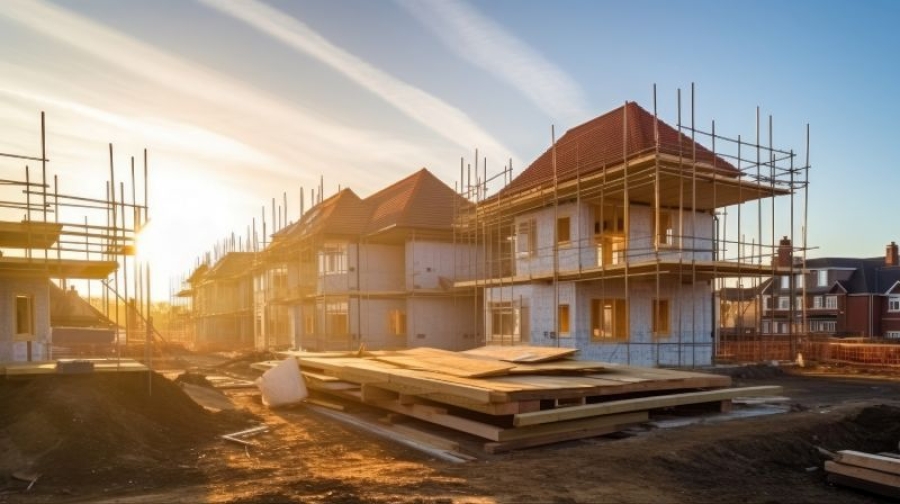
The Australian property development industry is experiencing a seismic shift. With intensifying climate change and sustainability at the forefront of contemporary building design, developers are under more pressure than ever before to produce property that offers long-term value and satisfies changing market demands. Modern successful developments need to incorporate aesthetic beauty, occupant comfort, and environmental stewardship flawlessly in order to maintain relevance in an ever-more discerning market.
This transformation is more than a trend it's a strategic necessity that's revolutionizing how Australian property experts design, build, and manage facilities. From clever landscaping innovations to sophisticated climate control innovations, smart developers are finding that modest-seeming improvements can reap big rewards while future-proofing their investments for evolving regulations and consumer demand.
The Evolution of Australian Property Development
Australia's distinctive climate challenges and its tough environmental legislation are spurring innovation in the property industry as a whole. With water rationing being imposed on key metropolitan centers and the cost of energy still rising, conventional development methods are becoming increasingly untenable. Property developers who get aboard this trend early are well-positioned for long-term success by embracing solutions that not only meet current market demands but also anticipate the regulatory challenges to come.
Today's Australian property owner or renter looks for more than pleasant facades and handy locations. They want homes that are environmentally sound, of higher comfort, and more cost-effective in the long run. This shift in consumer demand is opening up new opportunities for developers who are prepared to invest in innovative solutions that measure up on multiple performance criteria.
Revolutionizing Outdoor Spaces: The Synthetic Landscaping Advantage
Conventional landscaping methods are severely handicapped in Australia's multifaceted climate regions. From Queensland's tropical environment to South Australia's Mediterranean climates, natural grass cover needs large water resources, regular upkeep, and chemical treatments that are incompatible with sustainability targets. Such factors result in large recurring operational costs that affect property profitability as well as environmental reputation.
Synthetic grass systems are becoming an increasingly viable option for Australian real estate developments. Properly installed with artificial grass adhesive, synthetic turf systems exhibit superior resistance to wear and tear and beauty, while minimizing upkeep significantly. Installation involves meticulous preparation of the surface and the application of proprietary adhesives that deliver long-lasting stability irrespective of weather harshness prevalent in Australia's diverse geographical areas.
The advantages reach far beyond the cost savings during initial deployment. Synthetic landscaping obviates the requirement of irrigation systems, cutting both water usage and periodic utility bills. Maintenance costs are reported to be vastly reduced by property managers, as synthetic surfaces entail less maintenance than their natural counterparts. This blend of environmental advantage and operating effectiveness makes synthetic turf especially desirable for large-scale commercial developments, residential communities, and mixed-use projects.
In addition, contemporary synthetic turf goods provide superior aesthetic features that compete with natural grass and are steady in appearance throughout the year. This consistency is especially precious for properties located in areas which have seasonal drought seasons or water rationing, as this guarantees outdoor facilities remain beautiful and usable under any weather conditions or regulatory actions.
Indoor Climate Control: Maximizing Energy Efficiency
Interior climate control is one of the biggest continuing operational costs for Australian commercial and residential buildings. Conventional HVAC systems tend to have difficulty with energy efficiency, especially in buildings with high pedestrian traffic or large openings where conditioned air gets lost to the outside environment. This inefficiency directly converts into increased operating cost and lower tenant satisfaction.
Commercial air curtains are turning out to be a revolutionary technology for overcoming such challenges. These systems form invisible barrier flows of managed air at entrance points, successfully dividing interior and exterior conditions without hindering unobstructed pedestrian traffic. The technology utilizes the principle of producing a non-stop flow of air that eliminates the mixing of conditioned indoor air with external masses of air, lessening energy loss substantially.
The installation of air curtain systems provides quantifiable advantages in a variety of performance measures. Energy usage generally reduces by 20-30% in buildings with well-installed air curtain systems, based on industry research. This reduction in energy consumption is directly equatable to lower utility expenses and diminished carbon footprints, promoting both operational efficiency and sustainability initiatives.
Apart from energy conservation, air curtain systems also help improve indoor air quality through the exclusion of dust, pollutants, and pests. This better environmental control ensures more pleasant conditions for occupants with less cleaning and maintenance. These advancements in improvements can directly affect tenant satisfaction and tenant retention for retail settings, restaurants, and office complexes.
Installation involves thorough planning in terms of door size, traffic flow, and HVAC integration. Proper installation provides maximum performance and energy efficiency with good looks. New air curtain systems operate quietly with stylish designs that do not distract from modern architecture without sacrificing visual attractiveness.
Sustainability as a Competitive Advantage
Environmental sustainability has progressed from being an optional advantage to a core imperative in Australian property development. Government programs, such as the National Australian Built Environment Rating System (NABERS) and Green Star ratings, offer tools for quantifying and reporting sustainability performance. Buildings that are highly rated receive premium returns and capture green tenants and buyers.
Both air curtain systems and synthetic turf installations have a favorable impact on sustainability indicators. Synthetic landscaping reduces water usage for irrigation, minimizes chemical runoff, and removes the carbon footprint of lawn maintenance equipment. Air curtain systems minimize energy usage and carbon footprint and enhance indoor environmental quality.
Such sustainability advantages dovetail with larger market forces toward sustainability. Corporate occupiers increasingly seek out buildings with high levels of sustainability as part of their efforts to achieve their own environmental goals. Domestic consumers are also attracted to buildings that show environmental responsibility and deliver long-term cost savings.
Sustainability improvements bring more than just cost savings to a developer's bottom line. Properties that perform environmentally at a higher level generally have a higher sale price and rental rates along with lower vacancy rates. This premium positioning generates extra value for developers and owners while ensuring long-term market competitiveness.
Implementation Strategies for Australian Developers
Effective application of these technologies involves meticulous planning and professional knowledge. In the case of synthetic turf installations, correct surface preparation and adhesive choice are essential for sustained performance. Australian climate conditions necessitate quality materials and installation methods that consider temperature fluctuations,
UV exposure, and rainfall patterns.
Air curtain system installation involves coordination with HVAC contractors and consideration of building airflow patterns. Professional evaluation ensures the proper sizing and positioning for maximum efficiency. Building management system integration enables automated operation and performance monitoring.
Cost-benefit analysis shows that both technologies generally realize payback periods of 2-4 years through operational savings alone, without considering enhanced property values and tenant satisfaction. This quick return on investment makes these upgrades appealing for both new construction and retrofit use.
Future Market Trends and Opportunities
The Australian property market keeps moving towards increased efficiency and sustainability. New technologies and altering regulations will establish opportunities for developers that adopt innovative solutions. Water shortages and energy prices will keep increasing, and efficient substitutes will become ever more valuable.
Smart building technologies are now starting to be integrated with landscaping and climate control systems, offering the potential for increased automation and optimizing performance. Internet of Things (IoT) sensors can even track system performance and optimize its operation for optimum efficiency.
Building Tomorrow's Properties Today
Future-proofing real estate developments necessitates an integrated strategy that meets current requirements alongside future trends. By employing pragmatic solutions such as high-quality synthetic turf systems with efficient artificial grass adhesive and energy-efficient commercial air curtains, Australian developers are developing properties that provide superior performance on multiple levels.
These technologies are not mere upgrades – they're investment in the future of Australian property development. With tighter environmental regulations and the ongoing evolution of consumer demands, properties that have integrated efficient, sustainable systems will retain competitive edges while offering superior returns for developers, investors, and users.
The direction of travel is obvious: Australian property experts who adopt these cutting-edge solutions now are setting themselves up for long-term success in a more competitive and sustainable marketplace. The future is for developments that blend effortlessly style, comfort, and sustainability into holistic solutions that meet current demands and long-term needs.