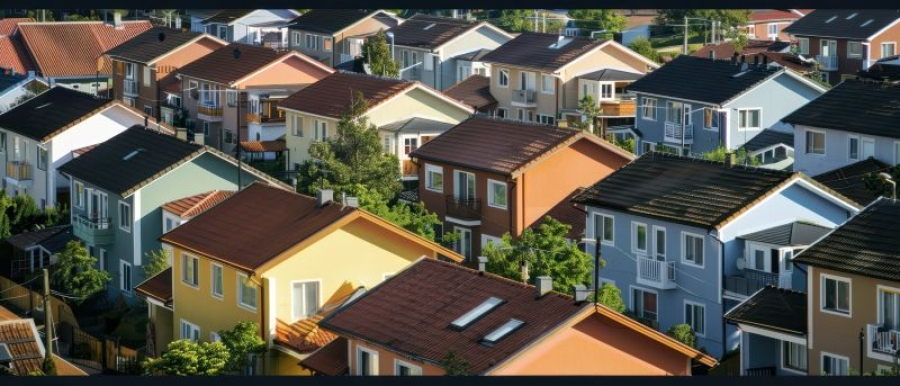
A roof is one of the most important protective systems in a home, yet many homeowners are unsure how long their roof is actually supposed to last. If you are asking how long does a roof last, you are likely trying to decide whether repairs are still worthwhile or if it is time to plan for replacement.
In 2026, the answer depends less on a single number and more on a combination of roofing material, climate exposure, installation quality, and long-term maintenance. This guide breaks down realistic roof lifespan expectations, explains what shortens or extends roof life, and helps homeowners recognize when action is needed.
Average Roof Lifespan by Roofing Material
Different roofing materials are built to perform for different lengths of time. Understanding what your roof is made of is the first step in estimating how much life it has left.
Asphalt Shingle Roof Lifespan
Asphalt shingles are the most common roofing material in North America. In real-world conditions, most asphalt shingle roofs last 20 to 30 years. Architectural shingles tend to outperform basic three-tab shingles, but even premium shingles can fail early if ventilation or installation is poor.
Heat, UV exposure, and trapped attic moisture are the most common reasons asphalt roofs wear out sooner than expected.
Metal Roof Lifespan
Metal roofs are known for durability and longevity. Depending on the system used, metal roofs typically last 40 to 70 years. Standing seam metal roofs generally outperform exposed fastener systems because they reduce the risk of leaks and fastener failure over time.
While the upfront cost is higher, metal roofing often delivers long-term value when installed correctly.
Tile and Slate Roof Lifespan
Tile and slate roofs are among the longest-lasting roofing options available. Clay and concrete tile roofs commonly last 50 years or more, while natural slate roofs can last 75 to 100 years in favorable conditions.
That said, the underlayment beneath these materials often needs replacement long before the tiles themselves, and structural support must be adequate.
Wood Shake and Specialty Roofs
Cedar shake roofs typically last 25 to 40 years, depending on climate and maintenance. Moisture, mold, and fire exposure play a major role in how well wood roofs age, making them more maintenance-intensive than other options.
Manufacturer Warranties vs Real-World Roof Lifespan
One of the biggest points of confusion for homeowners is the difference between a roof’s warranty and its actual lifespan. A “30-year shingle” does not guarantee 30 years of performance.
Warranties often cover manufacturing defects, not installation errors, weather damage, or lack of maintenance. In real-world conditions, roofs fail earlier than warranty terms suggest when ventilation is poor, flashing is incorrect, or local weather is harsh.
Factors That Impact How Long a Roof Lasts
Climate and Weather Exposure
Roofs in hot, sunny climates experience faster shingle degradation due to UV exposure. Areas with heavy rain, snow, wind, or frequent storms place additional stress on roofing systems. Coastal and high-wind regions also accelerate wear.
Roof Installation Quality
Even the best roofing materials will fail prematurely if installed incorrectly. Poor flashing, inadequate underlayment, and rushed workmanship are common causes of early roof failure.
Attic Ventilation and Insulation
Heat and moisture trapped in the attic can significantly shorten roof life. Proper ventilation helps regulate temperature and prevent moisture buildup that leads to rot, mold, and shingle damage.
Maintenance and Repairs Over Time
Small issues that are addressed early often extend roof life. Deferred maintenance, on the other hand, allows minor problems to grow into major failures that shorten a roof’s usable lifespan.
Signs Your Roof Is Nearing the End of Its Lifespan
Even without knowing the exact age of your roof, certain warning signs indicate it may be approaching failure:
• Curling, cracked, or missing shingles
• Excessive granule loss in gutters
• Repeated or spreading leaks
• Soft or sagging roof sections
• Interior ceiling stains or moisture damage
When these signs appear consistently, it is usually time to plan for replacement rather than continued repairs.
When to Repair vs When to Replace a Roof
Repairs make sense when damage is isolated and the roof is still relatively young. However, replacement becomes the smarter long-term decision when problems are widespread, recurring, or tied to age-related material breakdown.
Homeowners often consult regional roofing specialists like Cobex Construction Group when evaluating roof condition, remaining lifespan, and whether replacement timing makes sense based on local climate and building requirements.
How Location Affects Roof Longevity
Geography plays a major role in how long a roof lasts. Climate, code requirements, and material suitability all vary by region. Roofs in mild climates generally last longer than those exposed to extreme heat, cold, or storms.
Local contractors understand which materials perform best in specific environments and how regional weather patterns affect long-term durability.
Extending the Life of Your Roof
Routine Inspections
Annual inspections and post-storm checks help catch small issues before they escalate. Early detection often prevents premature roof failure.
Proper Cleaning and Debris Removal
Clearing debris, keeping gutters clean, and preventing moss or algae growth reduces moisture retention and surface damage.
Coordinating Roof Care With Exterior Maintenance
Roof longevity is also influenced by the condition of surrounding exterior elements such as fascia, trim, and siding. When homeowners coordinate roof upkeep with broader exterior maintenance, including services from providers like Cover Pro Painting, they help protect roof edges, flashing areas, and moisture-prone zones that can impact overall roof performance.
Final Thoughts
So, how long does a roof last? The answer depends on materials, installation quality, climate exposure, and how well the roof is maintained over time. While average lifespan ranges provide a useful reference, real-world performance is shaped by many variables.
By understanding these factors, watching for warning signs, and taking a proactive approach to inspections and maintenance, homeowners can make informed decisions that protect both their home and their investment for years to come.